July 22: 1,653 new COVID-19 cases, 31 deaths in Karnataka
Dakshina Kannada logs 229 positive Covid-19 cases, 3 fatalities
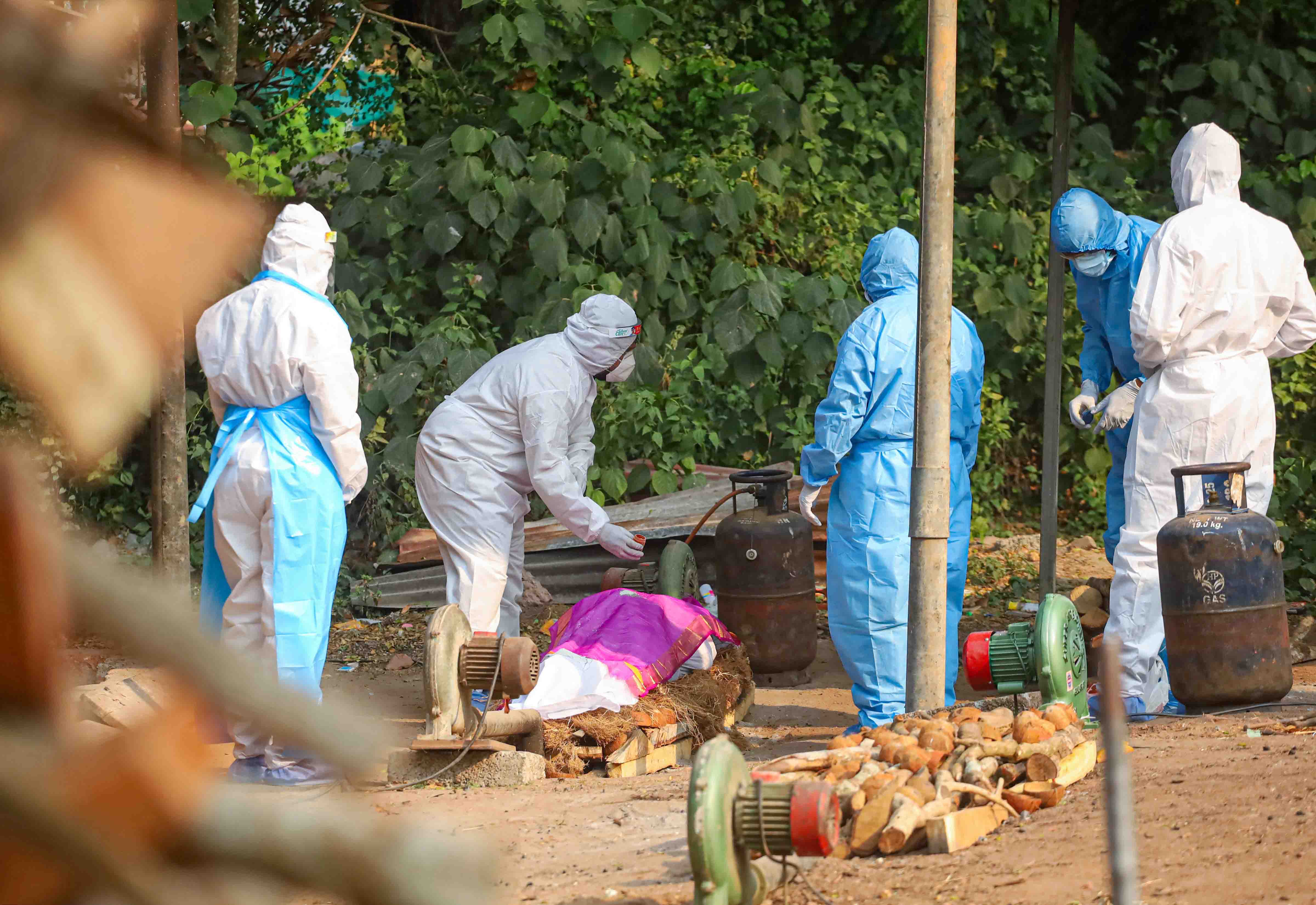
Bengaluru, Jul 22: Karnataka reported 1,653 new cases of COVID-19 and 31 deaths, taking the caseload to 28,89,994 and death toll to 36,293, the health department said on Thursday.
Active cases were now at 24,695.
The day also saw 2,572 discharges, pushing the total number of recoveries to 28,28,983.
Bengaluru Urban recorded 418 new cases, as the city saw 1,162 discharges and 3 deaths.
Belagavi and Kolar recorded four deaths each, Bengaluru Urban and Dakshina Kannada (3), Bagalkote, Chamarajanagara, Dharwad, Hassan and Shivamogga (2), followed by others.
After Bengaluru Urban, Dakshina Kannada accounted for the most number of fresh cases with 229, Mysuru 134, Kodagu 107 and Tumakuru 104.
Bengaluru Urban district tops the list of positive cases, with 12,23,644, followed by Mysuru 1,71,686 and Tumakuru 1,17,253.
Among discharges too, Bengaluru Urban tops the list with 11,99,078, followed by Mysuru 1,67,621 and Tumakuru 1,14,820.
Cumulatively 3,74,26,194 samples have been tested, of which 1,40,343 were tested on Thursday alone.
To view today's health bulletin: CLICK HERE
Let the Truth be known. If you read VB and like VB, please be a VB Supporter and Help us deliver the Truth to one and all.
Punjab elect to bowl against Chennai in IPL match
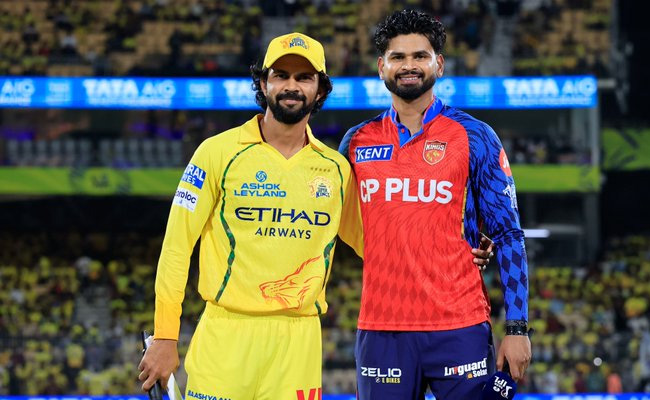
Chennai (PTI): Punjab Kings skipper Shreyas Iyer won the toss and opted to bowl against Chennai Super Kings in an Indian Premier League match here on Friday.
CSK made one change to their playing XI, bringing in Prashant Veer in place of Matt Short.
CSK had lost to Rajasthan Royals by eight wickets in the opening match while Punjab Kings defeated Gujarat Titans by three wickets.
Teams:
Chennai Super Kings: Sanju Samson (w), Ruturaj Gaikwad (c), Ayush Mhatre, Sarfaraz Khan, Shivam Dube, Kartik Sharma, Prashant Veer, Noor Ahmad, Anshul Kamboj, Matt Henry, and Khaleel Ahmed.
Punjab Kings: Prabhsimran Singh (w), Cooper Connolly, Shreyas Iyer (c), Shashank Singh, Nehal Wadhera, Marcus Stoinis, Marco Jansen, Xavier Bartlett, Vijaykumar Vyshak, Arshdeep Singh, and Yuzvendra Chahal.