Kannada writer Kamala Hampana passes away at 89; CM, Minister Tangadagi offer condolence
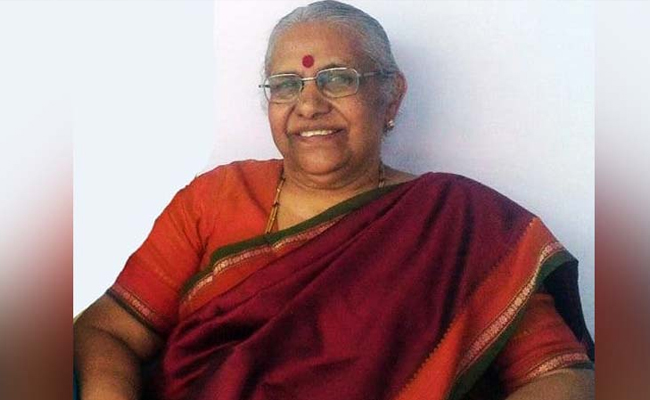
Bengaluru: Veteran literary figure ‘Nadoja’ Kamala Hampana, aged 89, passed away at her residence in Rajajinagar on Saturday. She reportedly died in her sleep.
Kamala Hampana is survived by her husband, well-known writer Hampa Nagarajaiah. Arrangements have been made for a public viewing at her residence until the evening. In accordance with her wishes, her body will be donated to Ramaiah Medical College.
Kamala Hampana was a distinguished Kannada writer, scholar and professor. She was the recipient of numerous prestigious awards, including the Karnataka Sahitya Akademi Award and the Nadoja Award.
Throughout her 60-year career, Kamala Hampana was involved with education, literature, speech and research. While she undertook study and research across all genres of Kannada literature, contributing significantly to each, she reached great heights through her works in contemporary Kannada literature.
ALSO READ: Sex crimes accused Prajwal Revanna's brother Suraj Revanna claims he's being blackmail
Her notable accolades include the chairmanship of the 71st All India Kannada Sahitya Sammelana held in Moodbidri in 2003, the Danachintamani Attimabbe Award conferred by the state government, and the Nadoja Award from Hampi Kannada University, in recognition of her enduring and valuable contributions.
Kamala Hampana's 60 published works include drama, stories, and scholarly texts, in addition to nine other voluminous works. Her modern poetry collections include "Bindali," "Bugudi," and "Bayalu." She also authored two English books, "Attimabbe and Chalukyas" and "Jainism and Other Essays."
Numerous dignitaries, including Chief Minister Siddaramaiah, have expressed their condolences on her passing.
The Minister for Welfare of Backward Classes and Kannada and Culture, Shivaraj Tangadagi, expressed deep grief over Kamala Hampana's death. "Kamala's entire family has made a unique contribution to the Kannada cultural world. May God give strength to her family to bear the sorrow of this loss. The Kannada cultural world will always remember her with respect," he said in his condolence message.
ಹಿರಿಯ ಸಾಹಿತಿ ಡಾ.ಕಮಲ ಹಂಪನಾ ಅವರ ಅನಿರೀಕ್ಷಿತ ಸಾವಿನಿಂದ ದು:ಖಿತನಾಗಿದ್ದೇನೆ.
— CM of Karnataka (@CMofKarnataka) June 22, 2024
ಸಾಹಿತ್ಯ ಕೃಷಿಯ ಜೊತೆ ಸಂಶೋಧನೆ ಮತ್ತು ಬೋಧನೆಗಳಿಂದಲೂ ಜನಪ್ರಿಯರಾಗಿದ್ದ ಡಾ.ಕಮಲಾ ಅವರದ್ದು ಸರ್ವರಿಗೂ ಒಳಿತನ್ನು ಬಯಸಿದ ಜೀವ.
ಡಾ.ಹಂಪ ನಾಗರಾಜಯ್ಯ ಮತ್ತವರ ಕುಟುಂಬದ ದು:ಖದಲ್ಲಿ ನಾನೂ ಭಾಗಿಯಾಗಿದ್ದೇನೆ.
ಮೃತರ ಆತ್ಮಕ್ಕೆ ಶಾಂತಿ ಕೋರುವೆ.
-… pic.twitter.com/mIKLAR9jAF
Let the Truth be known. If you read VB and like VB, please be a VB Supporter and Help us deliver the Truth to one and all.
BJP will form govt in Bengal with thumping majority: Nabin
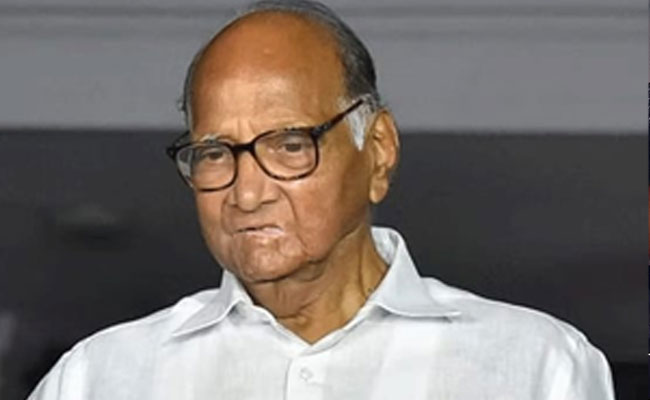
Mirzapur (UP) (PTI): BJP president Nitin Nabin on Wednesday voiced confidence that his party will form the government in West Bengal with a "thumping majority".
Polling is underway for 142 constituencies in the second and final phase of the West Bengal assembly elections, covering key districts, including Kolkata, Howrah and North and South 24 Parganas.
The high-stakes contest is being seen as decisive for the ruling TMC's bid for a fourth consecutive term and the BJP's push to form its first government in the state. The first phase held on April 23 recorded a high voter turnout of over 93 per cent, reflecting intense electoral engagement.
Speaking to reporters in Mirzapur, Nabin said, "The BJP will form the government in Bengal. We are winning the elections with a massive majority."
Earlier in the day, the BJP chief visited the Vindhyavasini temple and offered prayers. The rituals were conducted by his priest Acharya Agastya Kumar Dwivedi.
On his first visit to the district after assuming office, Nabin was welcomed by party workers at several places. At the temple, he was received by city MLA Ratnakar Mishra and District Magistrate Pawan Kumar Gangwar, who felicitated him with a traditional 'angvastram'.
After offering prayers for about 10 minutes amid Vedic chants, Nabin held a meeting at a hotel with local MLAs, including Mishra, Majhwan MLA Suchismita Maurya and Madihan MLA Ramashankar Patel.
Patel said Nabin emphasised strengthening the organisation and asked public representatives to focus on serving people in their respective constituencies.
Several party leaders, including district president Lal Bahadur Saroj, district vice-president Gaurav Umar, municipal chairperson Shyam Sundar Kesari, women workers and senior officials, were present on the occasion.
Elaborate security arrangements were put in place by the district administration for the visit, with multiple officers of circle officer rank deployed, officials said.