Karnataka asks Centre to extend GST compensation period
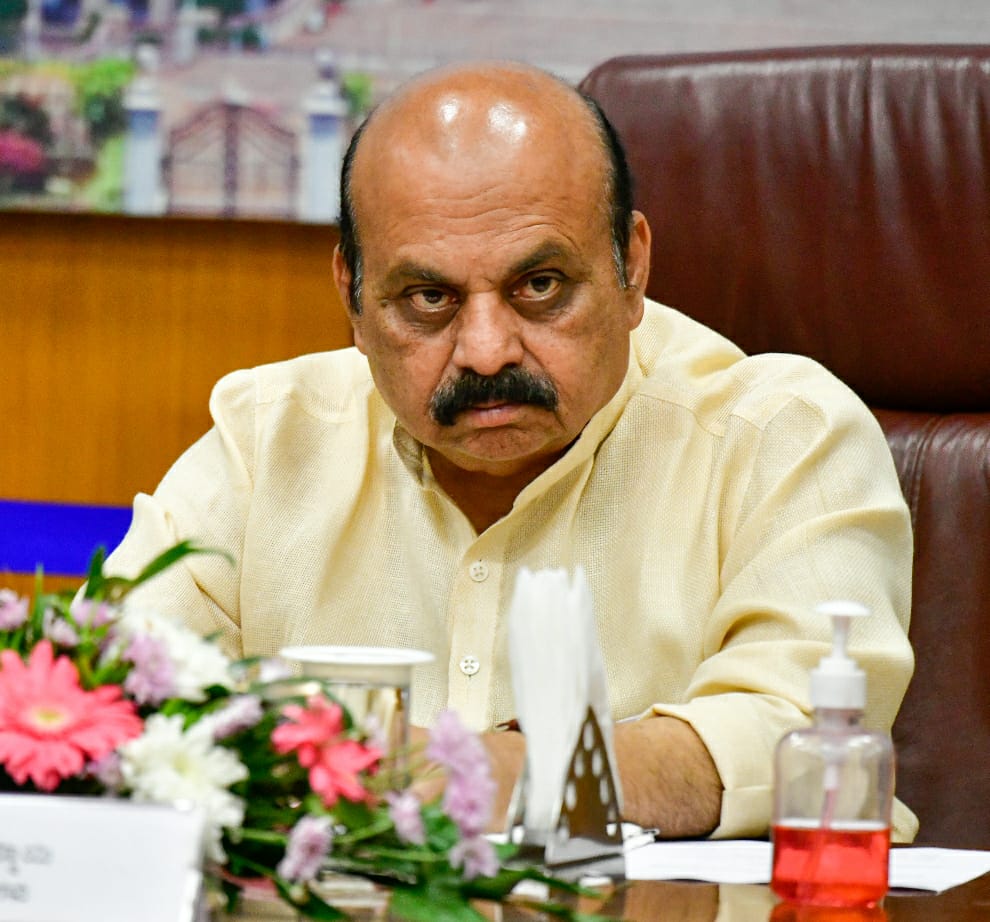
Bengaluru, Mar 4: Chief Minister of Karnataka Basavaraj Bommai on Friday said the estimated revenue deficit of Rs 14,699 crore in 2022-23 can be minimised if the Centre agrees to the request of the State to extend the GST (goods and services tax) compensation for the next three years in view of losses incurred due to the impact of COVID-19.
After presenting the Rs 2,65,720-crore budget of the State for 2022-23, he told reporters that it was revenue surplus but due to COVID-19 it has become revenue-deficit. In view of the increased expenditure commitments with the available resources, a revenue deficit of Rs 14,699 crore is estimated in 2022-23 compared to Rs 15,134 crore in 2021-22, said the Chief Minister.
He said the government did not take the GST component into account this year.
Bommai said the State used to get a GST compensation of Rs 11,000 crore to 14,000 crore, which would stop from this year. The State would get a compensation of Rs 4,000 crore to Rs 5,000 crore till June but due to the constitutional amendment, payment of compensation, which was only for five years since 2017, would be stopped, he said.
"We have appealed to the Centre to continue it further for at least three years keeping into account the COVID-19 year. The Centre has time till June. If Centre agrees, we can minimise our revenue deficit," said the Chief Minister.
According to Bommai, the union government had permitted borrowing up to four per cent of GSDP for 2021-22. The State had budgeted a borrowing of Rs.67,100 crore in 2021-22.
However, the revenue increased and was expected to reach the budgetary targets."So, we have reduced the borrowing to Rs.63,100 crore for 2021-22 in the revised estimates," he said.
"We have budgeted total borrowings of Rs.72,000 crore for 2022-23," he said.
Bommai was confident of the State achieving the targeted excise revenue, GST revenue, non-tax revenue and stamp duty revenue for the current fiscal. However, meeting the estimated revenue from motor vehicles would not be possible as the vehicle production has come down, he added.
Speaking about infrastructure, he said the State would build infrastructure for waterways. "Besides ports, railways, airports and roads, we are for the first time focusing on waterways," he said.
Let the Truth be known. If you read VB and like VB, please be a VB Supporter and Help us deliver the Truth to one and all.
NEET student hangs self in Rajasthan's Sikar
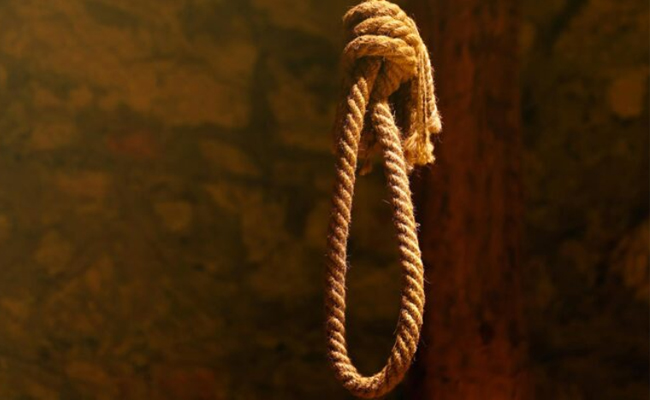
Jaipur (PTI): A student preparing for the NEET examination allegedly committed suicide by hanging himself in a rented room in Rajasthan's Sikar on Friday, police said.
According to the police, the student allegedly hanged himself from a ceiling fan using his sister's scarf while one sister was attending coaching classes and the other was in the bathroom.
He had appeared in the NEET UG exam 2026, which was cancelled due to paper leak, they said.
Udyog Nagar SHO Rajesh Kumar said that the deceased, identified as Pradeep Meghwal, was a resident of Kanika ki Dhani village in Jhunjhunu's Gudha Gaudji area.
He had been living in a rented room in Sikar's Jaldhari Nagar area with his two sisters while preparing for NEET over the last three years.
His elder sister later found him hanging and informed the landlord and police after bringing him down, officials said.
The SHO said the body was kept at SK Hospital mortuary, and a postmortem had not been conducted.
The student's father, Rajesh Kumar Meghwal, told police that Pradeep's NEET examination had gone well and the family was expecting him to score around 650 marks.
Former Rajasthan deputy chief minister Sachin Pilot expressed grief over the incident and linked it to anxiety among students after reports of irregularities and paper leaks in NEET 2026.
Pilot said repeated paper leak incidents and cancellation of examinations were affecting students' mental health and demanded a time-bound investigation and strict action against those responsible.