
Karnataka Assembly Speaker UT Khader calls for communal harmony to boost coastal tourism
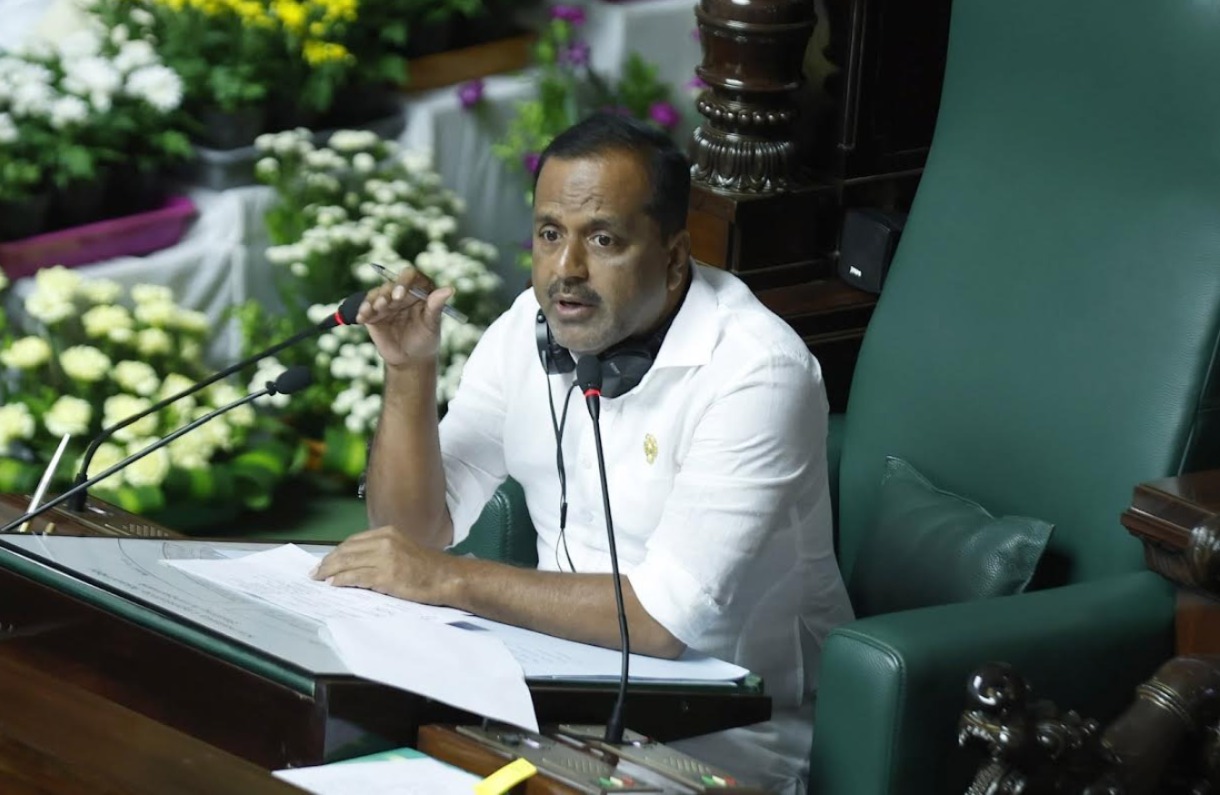
Bengaluru: Karnataka Assembly Speaker U.T. Khader emphasised the importance of fostering communal harmony in coastal Karnataka to boost tourism and ensure a welcoming atmosphere for visitors.
Khader, who also represents Mangaluru as an MLA, expressed that the coastal region has been abundantly blessed by nature, offering a unique blend of resources and facilities. He pointed out that the region boasts a wide array of attractions such as airport, seaport, medical facilities, educational institutions, and a rich spiritual heritage.
However, Khader stressed that the region’s potential could only be fully realised if communal harmony was maintained. "The only challenge we face here is the issue of communal harmony," he said.
"If we are constantly embroiled in clashes, no one will visit our region. No matter how many facilities the government provides to level up tourism, people will not visit owing to fear," Khader explained. He added that it is important to ensure people come here with love, not fear.
Meanwhile, Tourism Minister H.K. Patil shared plans to enhance coastal tourism. He announced that the Karnataka government was in the process of initiating a dialogue with Russia to procure seaplanes, which could significantly boost the state's coastal tourism.
Patil further explained that the government had identified 40 nodes along the 320-km coastline and inland waterways for the deployment of these seaplanes.
Let the Truth be known. If you read VB and like VB, please be a VB Supporter and Help us deliver the Truth to one and all.
Rajasthan: ACB court sends former IAS Subodh Agarwal to 2-day police remand in JJM scam
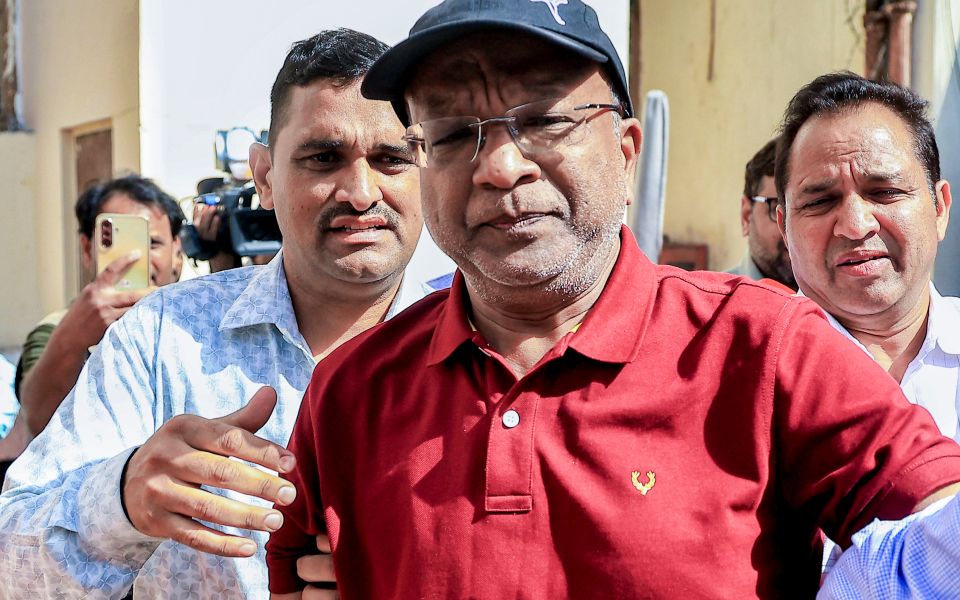
Jaipur (PTI): Retired IAS officer Subodh Agarwal, arrested in connection with the alleged Rs 960-crore Jal Jeevan Mission scam, was produced before an ACB court on Monday, which sent him to two days' police remand.
The Anti-Corruption Bureau had sought a three-day remand for further questioning in the matter, but the court granted two days' custody.
The order was passed by the ACB Court-1.
A team from the ACB arrested Agarwal on Thursday in connection with the multi-crore Jal Jeevan Mission corruption case.
He was sent to a three-day police remand on Friday. On completion of the remand period, the ACB produced him in court.
Agarwal was serving as the additional chief secretary of the public health engineering department when the alleged scam took place.
Some firms had allegedly secured tenders by submitting forged completion certificates in connivance with officers. Last month, the ACB arrested nine persons, including senior engineers and retired officials, in connection with the scam. Earlier, the ACB had arrested contractors.
_vb_90.jpeg)
_vb_90.jpeg)
_vb_23.jpeg)