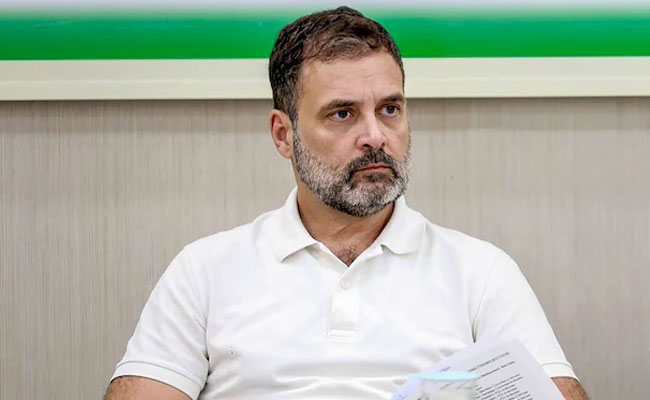
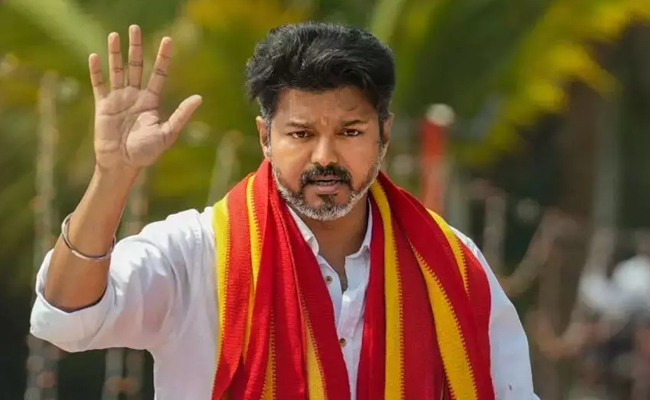
Karnataka; BJP MP Tejasvi Surya withdraws controversial remarks after it trigger controversy
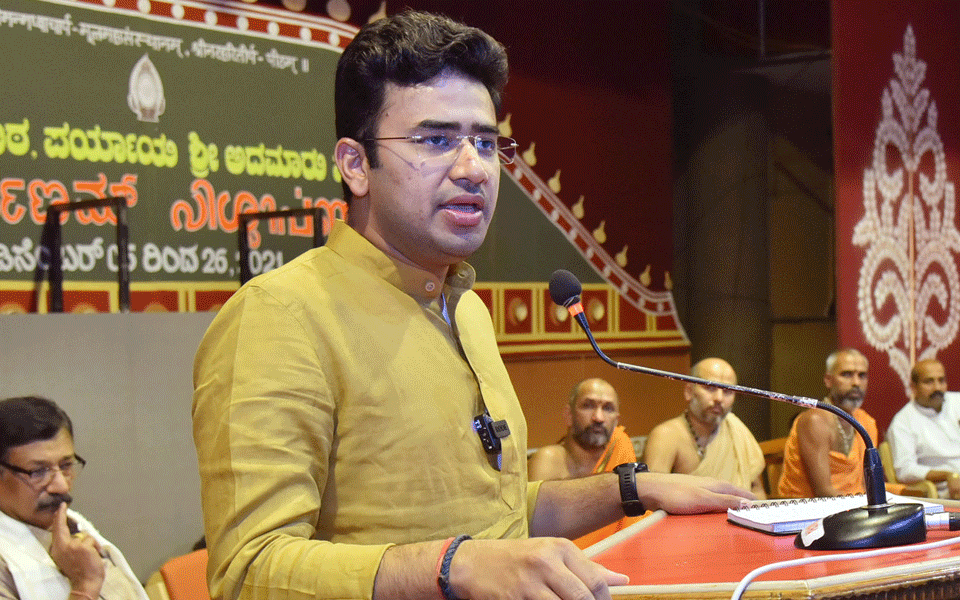
Bengaluru: BJP MP and President of BJP Yuva Morcha, Tejasvi Surya on Monday “Unconditionally” withdrew his comments about Hindu revival and “bringing back to the Hindu fold” all those who converted “over the course of India’s history”.
Surya, taking to his Twitter handle asserted that certain statements from his speech had created an avoidable controversy.
“At a program held in Udupi Sri Krishna Mutt two days ago, I spoke on the subject of 'Hindu Revival in Bharat'. Certain statements from my speech have regrettably created an avoidable controversy. I therefore unconditionally withdraw the statements," Tejasvi Surya tweeted this morning.
On Saturday, the Karnataka BJP leader had said that those who left their "mother religion" must be brought back on priority and it was the "only possible solution" to an "anomaly".
"The Hindu has been taken out from his mother religion. There is only one possible solution...there is only one solution to address this anomaly," Tejasvi Surya had said at the Sri Krishna Mutt.
"Those people who have left their mother religion and have for various socio-political, economic reasons over the course of India's history, those who have gone out of the Hindu fold, must be brought back in whole, brought back into the Hindu faith, brought back to the mother faith," asserted the 31-year-old MP from Bangalore South.
At a program held in Udupi Sri Krishna Mutt two days ago, I spoke on the subject of ‘Hindu Revival in Bharat’.
— Tejasvi Surya (@Tejasvi_Surya) December 27, 2021
Certain statements from my speech has regrettably created an avoidable controversy. I therefore unconditionally withdraw the statements.
Let the Truth be known. If you read VB and like VB, please be a VB Supporter and Help us deliver the Truth to one and all.
Neutrality of polls can't be assured if EC dependent on contestants: Justice Nagarathna
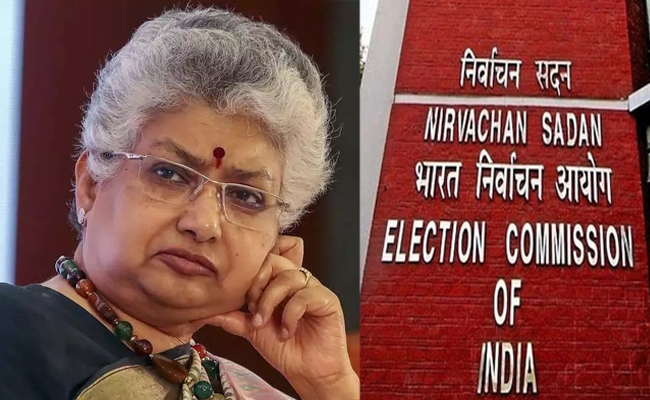
New Delhi (PTI): Supreme Court judge Justice BV Nagarathna, while highlighting that the Election Commission is the primary institution entrusted with maintaining the integrity of polls, has said if those who conduct elections are dependent on those who contest them, the neutrality of the process cannot be assured.
The apex court judge raised a critical concern regarding the structural independence of those tasked with overseeing the ballot while delivering the Rajendra Prasad Memorial Lecture at the Chanakya Law University in Patna on Saturday.
Citing a 1995 verdict where the Supreme Court recognised the Election Commission as a constitutional authority of high significance, entrusted with ensuring the integrity of elections, she said, "The concern, once again, was structural: if those who conduct elections are dependent on those who contest them, the neutrality of the process cannot be assured."
Justice Nagarathna said elections are not merely periodic events but a mechanism through which political authority is constituted.
"Our constitutional democracy has amply demonstrated smooth changes in government due to elections being held on a timely basis. Control over that process is, in effect, control over the conditions of political competition itself," she said.
The Supreme Court judge said power is not exercised only through formal institutions but also through the processes that sustain them, including elections, public finance, and regulation.
"A constitutional structure that seeks to restrain power must therefore go beyond its classical forms and address these fourth-branch institutions. A set of institutions, while not always fitting within the classical tripartite scheme, is nonetheless central to the maintenance of constitutional order," she said.
Justice Nagarathna said the unmistakable lesson of history is that constitutional collapse occurs through the disabling of its structure, and the violation of rights merely follows.
"The dismantling of structure, in turn, occurs when institutions stop checking each other. At that moment, elections may continue, courts may function, laws may be enacted by Parliament, and yet, power is effectively not restrained because the structural discipline no longer exists," she said.
The apex court judge also urged the Centre to view states as "coordinates and not subordinates" and asserted that the separation of powers was a "constitutional arrangement of co-equals."
Justice Nagarathna also called for keeping aside "inter-party differences" in the matter of "Centre-state relations", underscoring that governance must not depend on "which party may be ruling the Centre and which other party may be ruling at the state level".