Karnataka cabinet approves cloud seeding programme

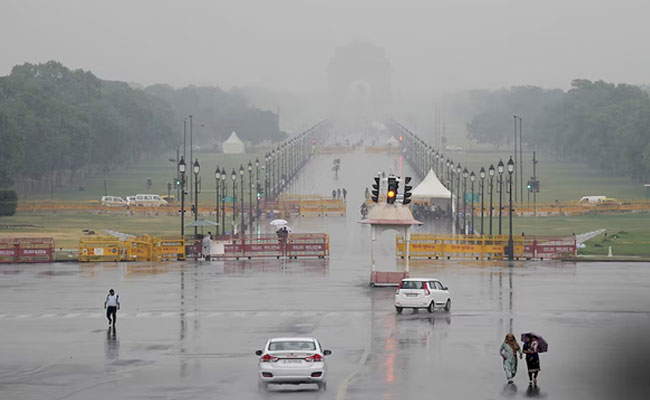
Bengaluru, May 27: The Karnataka cabinet Monday approved a cloud seeding programme, to be implemented in June, following reports that there would be deficit rainfall in the state.
Rural Development Minister Krishna Byre Gowda told reporters here that his department has called a tender for two years for cloud seeding at a cost of Rs 88 crore.
The cabinet approved the proposal for Rs 93 crore, as the bidder quoted Rs 91 crore, he said, adding the amount also includes Rs two crore lump sum grant for the department.
Gowda had recently said cloud-seeding would be taken up by the end of June.
Among other cabinet decisions taken Monday were to promulgate an ordinance to 'protect' gazetted officers, who will face demotion or lose their jobs, as their recruitment process in 1998 by the Karnataka Public Service Commission was found to be irregular.
The move comes as at least 25 officers with 20 years service will lose their jobs when a High Court order on the matter is implemented.
Gowda said the cabinet decided to seek a detailed project report from RITES to set up a "no-frills" airport at Hassan by the state government, which would set up a Joint Venture company with Airports Authority of India for the purpose
The cabinet decided to include NOTA in nagar sabha (Corporation) elections, a provision which was not there till now, Gowda said.
It also decided to issue an ordinance to implement a long standing demand to create a separate university for Raichur district, currently under the ambit of Kalburgi University, Gowda said.
The University would cover Raichur and Yadgir districts, he said.
Gowda said JSW steels in Ballari was given 3,660 acres in 2005-06 on the basis of lease-cum-sale to set up plant and infrastructure for employees. As per the agreement the lease had to be converted to sale after 10 years, which the cabinet approved Monday, he said.
He also said any difference in the amount that the company needs to pay would be collected.
Let the Truth be known. If you read VB and like VB, please be a VB Supporter and Help us deliver the Truth to one and all.
Defeat of Constitution Amendment Bill betrayal of nation's woman power: Adityanath
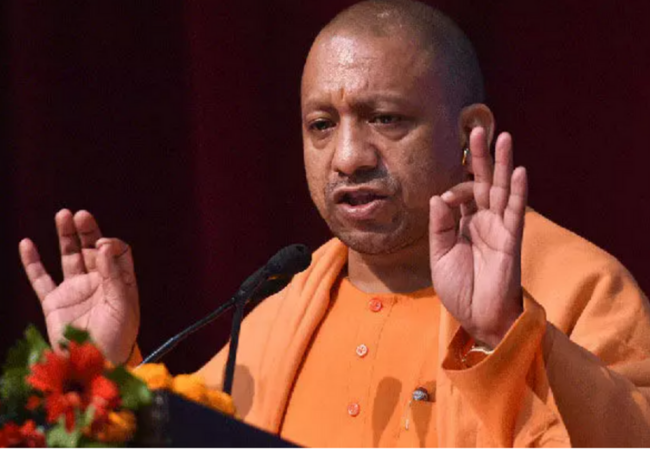
Lucknow (PTI): Uttar Pradesh Chief Minister Yogi Adityanath termed the defeat of the Constitution Amendment Bill to implement reservation for women in legislatures in 2029 and increase the number of seats of the Lok Sabha "betrayal of the woman power" of the nation.
A Constitution Amendment Bill to implement 33 per cent reservation for women in legislatures in 2029 and increase the number of Lok Sabha seats to 816 was defeated on Friday.
In a post on X in Hindi, late on Friday night, Adityanath said, "Today, a dark chapter has been added to the history of India's great democracy. The Opposition's obstruction of the passage of the Constitutional Amendment Bill essential for the 'Nari Shakti Vandan Adhiniyam' is a blow to the honour of 'Bharat Mata' (Mother India). It is a betrayal of the entire woman power of the nation; it is an infringement upon their democratic rights.
"The Congress-led 'INDI' alliance has exposed its anti-women mindset. The women of the nation are watching and understanding everything. They will remember this deceit and injustice, and when the time comes, they will surely give a reply. Under the leadership of our Prime Minister @narendramodi ji, the NDA alliance will continue its unwavering efforts to protect the honour, dignity, and rights of women, and to ensure their empowerment."
While 298 members voted in support of the Bill in the Lok Sabha, 230 MPs voted against it. The Bill required 352 votes for a two-thirds majority.
According to the Constitution (131st Amendment) Bill, Lok Sabha seats were to be increased to 816 from the current 543 to "operationalise" the women's reservation law before the 2029 parliamentary polls, following a delimitation exercise based on the 2011 Census.
Seats were also to be increased in state and Union Territory assemblies to accommodate 33 per cent reservation for women.
This was for the first time that a Bill under the Modi government was defeated in Parliament.