Karnataka caste census report likely to be placed before cabinet on Jan 16
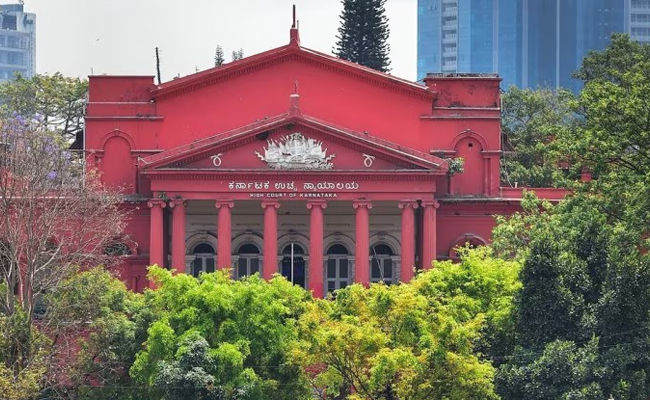
Bengaluru (PTI): With the Socio-Economic and Education Survey report, popularly known as the 'caste census,' likely to be placed before the state cabinet on January 16, Karnataka Home Minister G Parameshwara stressed that its contents should be made public.
He said, any decision based on the report is the prerogative of the government and it will be taken after analysing it.
Karnataka State Commission for Backward Classes under its then Chairman K Jayaprakash Hegde had submitted the report to Chief Minister Siddaramaiah on February 29 last year, amid objections raised by certain sections of society and voices against it from within ruling Congress.
"It was decided the sealed cover (of report) will be opened before the cabinet, otherwise it may lead to leakage of information....whether there will be a discussion on it or not, I cannot speak about it now, once opened at least abstract information will be known to us," Parameshwara told reporters here replying to a question.
To a question on the opposition from certain dominant sections to the report and implementation of its recommendations, he said, the government has got the report after spending Rs 160 crore tax payers money, it should at least be made public, taking action based on it is secondary.
"Taking action based on it is left to the discretion of the government, the government will ultimately decide. But at least the information from the report that was prepared by spending Rs 160 crore, should come out. So there is a demand that what is there in the report be made public," he added.
What is happening now is bringing out the information from the report, the Home Minister said.
Karnataka's two dominant communities -- Vokkaliags and Lingayats -- have expressed reservations about the survey done, calling it "unscientific", and have demanded that it be rejected and a fresh survey be conducted.
The commission headed by Jayaprakash Hegde had said that the report was prepared based on data collected by 1.6 lakh officials, including 1.33 lakh teachers under the leadership of respective Deputy Commissioners of the districts across the state.
The then Siddaramaiah-led Congress government (2013-2018) had in 2015 commissioned the survey in the state.
The state Backward Classes Commission under its then chairperson Kantharaju was tasked with preparing a caste census report. The survey work was completed in 2018, towards the end of Siddaramaiah's first tenure as Chief Minister. The findings of the survey in the form of a report never came out in public thereafter.
With strong disapproval from the two politically influential communities the survey report may turn out to be a political hot potato for the government, as it may set the stage for a confrontation, with Dalits and OBCs among others demanding for it to be made public.
Deputy Chief Minister D K Shivakumar, who is also the state Congress president, and a Vokkaliga, was a signatory, along with a couple of other ministers, to a memorandum submitted by the community to the chief minister earlier, requesting that the report and the data be rejected.
All India Veerashaiva Mahasabha, the apex body of Veerashaiva-Lingayats, which has also expressed its disapproval vis-a-vis the survey and demanded conduct of a fresh survey, is headed by veteran Congress leader and MLA Shamanuru Shivashankarappa. Several Lingayat ministers and MLAs too have raised objections.
According to some reports, findings of the survey are allegedly contrary to the "traditional perception" with regard to the numerical strength of various castes in Karnataka, especially Lingayats and Vokkaligas, making it a politically sticky issue.
Let the Truth be known. If you read VB and like VB, please be a VB Supporter and Help us deliver the Truth to one and all.
IPL betting racket busted in Goa; four held
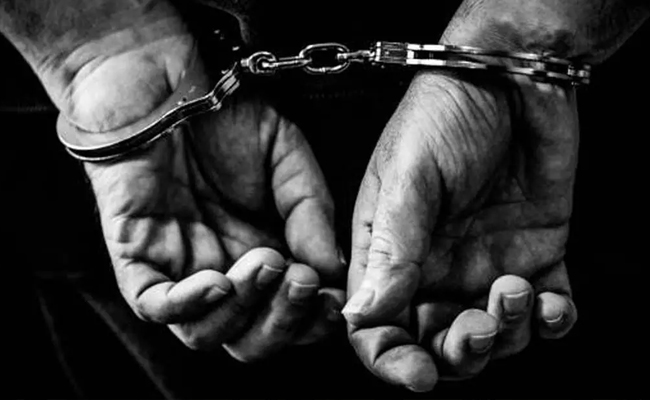
Panaji (PTI): Police have busted an Indian Premier League (IPL) betting racket operating out of a house in South Goa, arresting four persons, an official said on Sunday.
A team from Verna police raided the premises in the Shindolim area of Sancoale village near Vasco on Saturday night and caught the accused red-handed while accepting bets on the cricket match between Chennai Super Kings and Delhi Capitals, he said.
The accused, Pranjal Tiwari (23), Amar Dawda (33), Shashank Kumar Sahu (19) and Sandeep Singh (23), hailed from Uttar Pradesh and Chhattisgarh, and were staying in a rented premises.
As many as 10 mobile phones, two laptops, a tablet, an internet router with a signal receiver and cash worth Rs 37,000 were seized from the house, the official said, adding that a case has been registered under the Goa, Daman and Diu Public Gambling Act.