Karnataka coronavirus cases touch 2.27 lakh, death toll 3,947
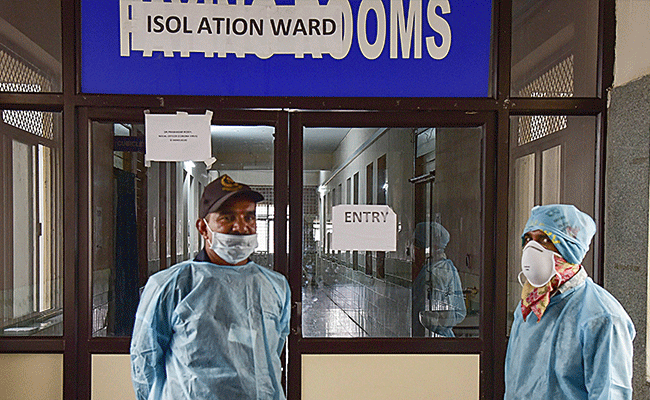
Bengaluru: Over 7,000 fresh coronavirus cases and 124 deaths took the tally to 2.27 lakh and the toll to 3,947 in Karnataka on Sunday, the health department said.
The state's total rose to 2,26,966 with the addition of 7,040 cases while 6,680 people were discharged, taking the cumulative recoveries to 1,41,491.
The active cases stood at 81,512, including 692 in the intensive care units in different hospitals, the department said in a statement.
The spike in cases and deaths on Sunday was led by Bengaluru Urban district, which recorded 2,131 fresh infections and 49 fatalities. The city has so far reported 89,811 coronavirus cases and 1,444 deaths due to it with 34,584 people under treatment.
After Bengaluru Urban, Mysuru accounted for the maximum number of fresh cases at 620, followed by Belagavi (478) Ballari (381) Kalaburagi (285) and Dharwad (268) with higher counts.
Similarly Mysuru with ten deaths came behind Bengaluru Urban and was followed by Ballari with nine fatalities.
While a majority of those who died were aged above 50, there were also a 16-year old and two each in the 20s, 30s and 40s who succumbed to the infection.
As on Sunday, a total of 3.5 lakh people were under home quarantine, the statement added.
Let the Truth be known. If you read VB and like VB, please be a VB Supporter and Help us deliver the Truth to one and all.
Congress using hijab issue to pacify minority anger, alleges Karnataka LoP R Ashoka
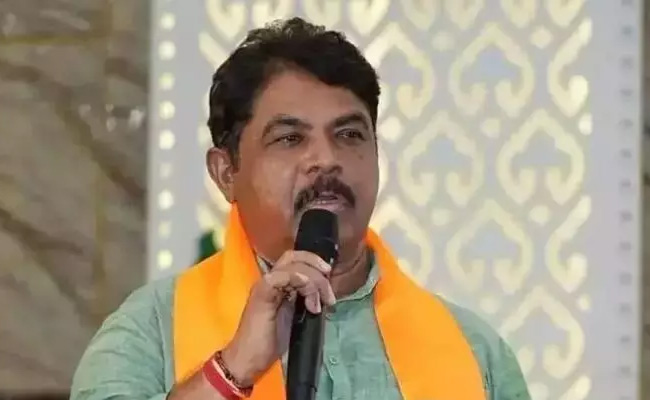
Bengaluru: Leader of Opposition in the Assembly R. Ashoka has accused the Congress government of using the hijab issue to placate what he described as discontent among minority voters after the Davanagere by-election.
In a post on X on Wednesday, Ashoka alleged that the state government, instead of addressing issues such as price rise, corruption, farmers’ distress and law and order, was attempting to retain its minority vote base by reviving the hijab issue.
Referring to the 2022 dress code introduced by the BJP government, which prohibited hijab in schools and colleges, Ashoka said the Karnataka High Court had upheld the policy and emphasised the importance of discipline in educational institutions.
He questioned the Congress government’s move to revisit the issue and asked whether setting aside the court-backed policy to benefit one community could be described as secularism.
Ashoka further alleged that while the government was willing to permit hijab, it continued to prohibit saffron shawls.
He accused the government of dividing students on religious lines rather than treating schools and colleges as spaces of equality.
Drawing a comparison with Mamata Banerjee’s government in West Bengal, Ashoka claimed that excessive appeasement politics had harmed the state and warned that the Congress in Karnataka could face a similar political response.
He said voters in Karnataka would teach the Congress a lesson for what he termed “vote-bank politics” and for compromising constitutional and judicial principles.