Karnataka Deputy CM indicates possible hike in monthly water charges in Bengaluru
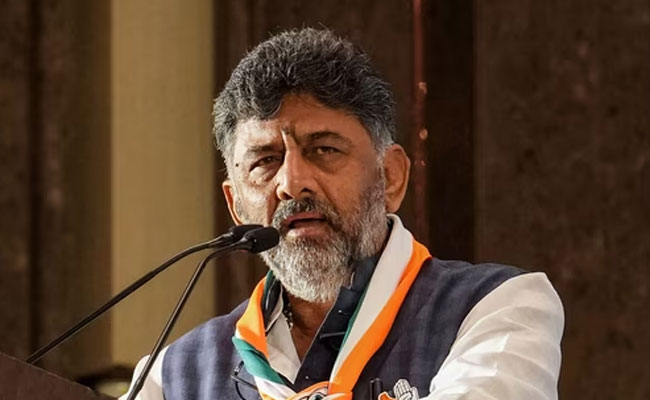
Bengaluru (PTI): Karnataka Deputy Chief Minister DK Shivakumar on Wednesday indicated that a possible hike in the monthly water charges in the city is on the cards as he highlighted the financial strains faced by the Bengaluru Water Supply and Sewerage Board (BWSSB).
Shivakumar, who is also the Minister in-charge of Bengaluru Development, said the loss-making BWSSB has not been able to take up new projects.
The state government had last week hiked sales tax on fuel which has made petrol and diesel costlier by Rs 3 and Rs 3.5 per litre, respectively.
'Since last 10 years, the water tariff in Bengaluru has not been increased. It (BWSSB) is suffering a great loss. We have to take up new projects. No bank is coming forward to finance the BWSSB. Now the (Cauvery) fifth phase (water supply project) is going to be completed," Shivakumar told reporters here.
"Seventy per cent is power bill and labour cost...every year we (BWSSB) are having a big loss. So there is no option. I am working out the possibilities, we are discussing how to set the company right," the Minister said.
Even development agencies like the Japan International Cooperation Agency (JICA) and the World Bank have contended that the water tariff hike issue is being politicised, and no attempt is made to ensure that BWSSB achieves break-even, Shivakumar said. "We want to expand things. We have given six tmc (thousand million cubic feet) more water (from Cauvery) for Bengaluru, we will have to take up one more phase to draw that water."
"There is no option. We want to show that it is an independent company financially and it works independently. I have asked officials to examine the possibilities (of hike). Let us see, ultimately we will put all facts before the public domain and then we will take a call," he added.
VIDEO | Here's what Karnataka Deputy CM DK Shivakumar said on possibility of rise in water tariff in Bengaluru.
— Press Trust of India (@PTI_News) June 19, 2024
"The water tariff has not been increased in Bengaluru in the last 10 years. There has been a great loss. We have to take new projects. No bank is coming forward to… pic.twitter.com/CtYBXsYakE
Let the Truth be known. If you read VB and like VB, please be a VB Supporter and Help us deliver the Truth to one and all.
NEET student hangs self in Rajasthan's Sikar
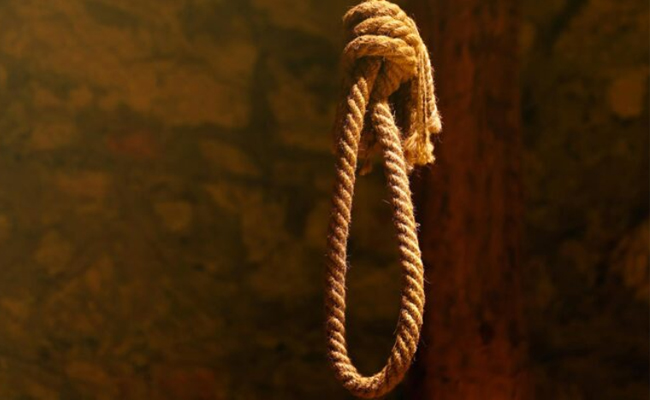
Jaipur (PTI): A student preparing for the NEET examination allegedly committed suicide by hanging himself in a rented room in Rajasthan's Sikar on Friday, police said.
According to the police, the student allegedly hanged himself from a ceiling fan using his sister's scarf while one sister was attending coaching classes and the other was in the bathroom.
He had appeared in the NEET UG exam 2026, which was cancelled due to paper leak, they said.
Udyog Nagar SHO Rajesh Kumar said that the deceased, identified as Pradeep Meghwal, was a resident of Kanika ki Dhani village in Jhunjhunu's Gudha Gaudji area.
He had been living in a rented room in Sikar's Jaldhari Nagar area with his two sisters while preparing for NEET over the last three years.
His elder sister later found him hanging and informed the landlord and police after bringing him down, officials said.
The SHO said the body was kept at SK Hospital mortuary, and a postmortem had not been conducted.
The student's father, Rajesh Kumar Meghwal, told police that Pradeep's NEET examination had gone well and the family was expecting him to score around 650 marks.
Former Rajasthan deputy chief minister Sachin Pilot expressed grief over the incident and linked it to anxiety among students after reports of irregularities and paper leaks in NEET 2026.
Pilot said repeated paper leak incidents and cancellation of examinations were affecting students' mental health and demanded a time-bound investigation and strict action against those responsible.