Karnataka government to recruit 18,000 school teachers shortly: Minister Madhu Bangarappa
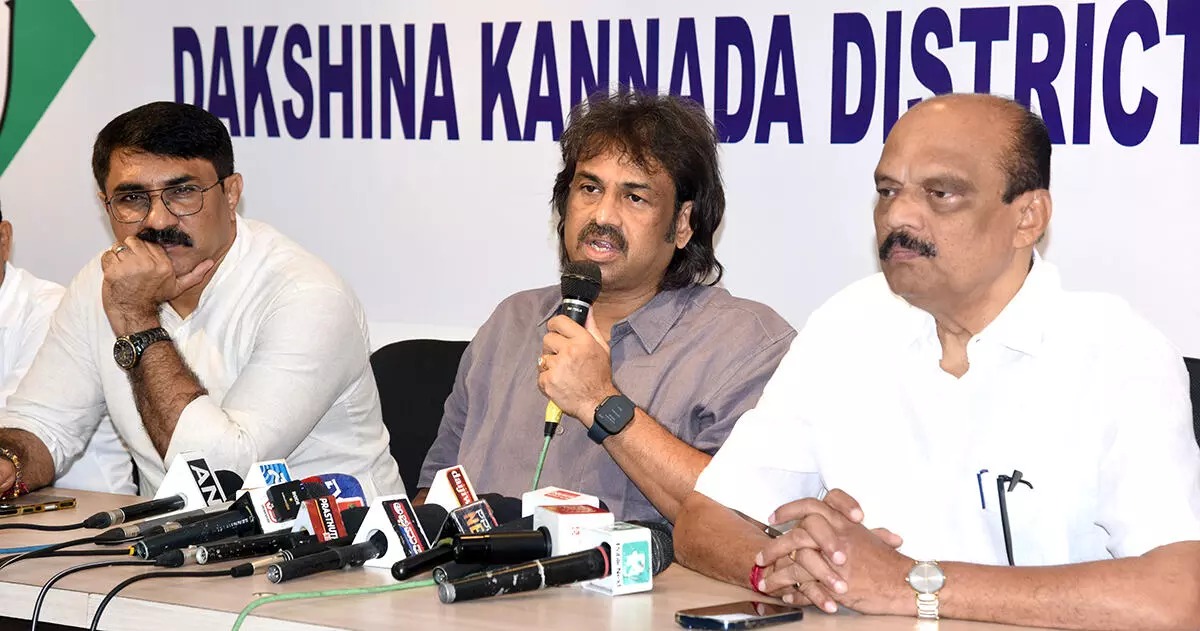
Mangaluru: Minister for School Education and Literacy Madhu Bangarappa announced that the state government will soon begin recruiting over 18,000 teachers for both government-run and government-aided private schools.
Speaking to reporters at the district Congress office in Mangaluru, Bangarappa revealed that 13,000 positions would be filled in government schools, while 5,800 openings would be for aided schools. He emphasised that all applicants would need to have cleared the Teachers’ Entrance Test (TET). The recruitment process is expected to be completed by the 2026-27 academic year.
Additionally, the minister shared plans to provide free notebooks to students in government schools from the 2026-27 academic year, with a corresponding budget allocation for the initiative.
In a separate development, Bangarappa revealed that the Karnataka Cabinet has approved the expansion of Karnataka Public Schools (KPS). Following the successful operation of 80% of the existing 308 KPS institutions, which provide affordable, quality education up to Class 12, the state government will set up 800 more KPS schools to cater to the growing demand.
Addressing a recent issue involving the Dakshina Kannada and Udupi district administrations, Bangarappa defended the decision to initiate disciplinary proceedings against teachers who failed to attend the Social and Educational survey. He clarified, “If it is found that the action was unwarranted, we will certainly review it. Our teachers are valued, and we will protect them.”
He added that over 95% of teachers in the districts had actively participated in the survey.
Let the Truth be known. If you read VB and like VB, please be a VB Supporter and Help us deliver the Truth to one and all.
Bengaluru jail introduces biometric tracking system for prisoners
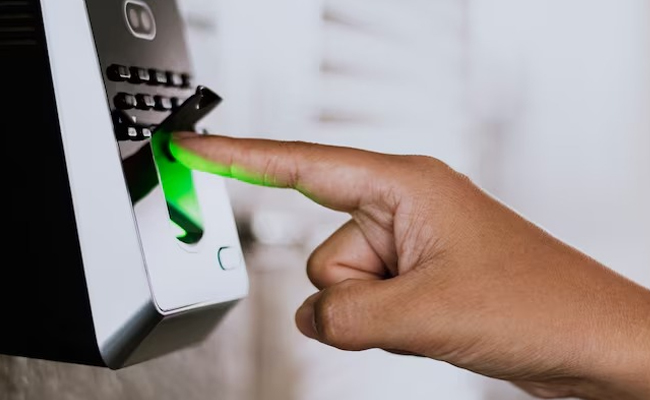
Bengaluru: In a bid to curb misconduct and illegal activities inside Parappana Agrahara Central Prison, prison authorities have introduced a new ‘Prisoners Tracking Movement System’ under which inmates will have to undergo biometric verification while entering every barrack.
According to jail officials, biometric systems have been installed across all major sections of the prison, including barracks, visitor rooms, hospital, canteen, kitchen, library, playground, handicraft units and bakery sections. Staff members have also been deployed at these locations.
Officials said inmates visiting the visitors’ room must now obtain a digital token after biometric verification. Details such as the prisoner’s name, identification number and entry time will be updated in the prison software system. This will help authorities maintain a complete digital record of inmates visiting and returning from meeting rooms.
Similar systems have also been introduced at entry points of the hospital, library and other barracks accessed for work-related purposes. Officials said the system will help identify prisoners involved in suspicious or illegal activities with other inmates and enable authorities to track how much time a prisoner spends at different locations inside the prison.
Authorities stated that AI-powered cameras were already being used inside the prison to monitor inmates as well as prison staff. Along with this, digital tracking of prisoner phone calls and a digital token system for visitor meetings have now been added to strengthen surveillance over inmate movement. Officials said the project has been implemented at a cost of around Rs 2.25 crore.
The prison department has also introduced a canteen usage tracking system to monitor prisoners’ spending patterns. Instead of direct cash payments, inmates can purchase bakery items and snacks using wallets or coupons issued within the prison system.
Officials said the digital system will record details including the buyer’s name, items purchased, quantity, date, time and remaining wallet balance. This will allow prison authorities to maintain complete expenditure records of inmates.