Karnataka govt launches ‘Learning Management System’ to help 4.5L students
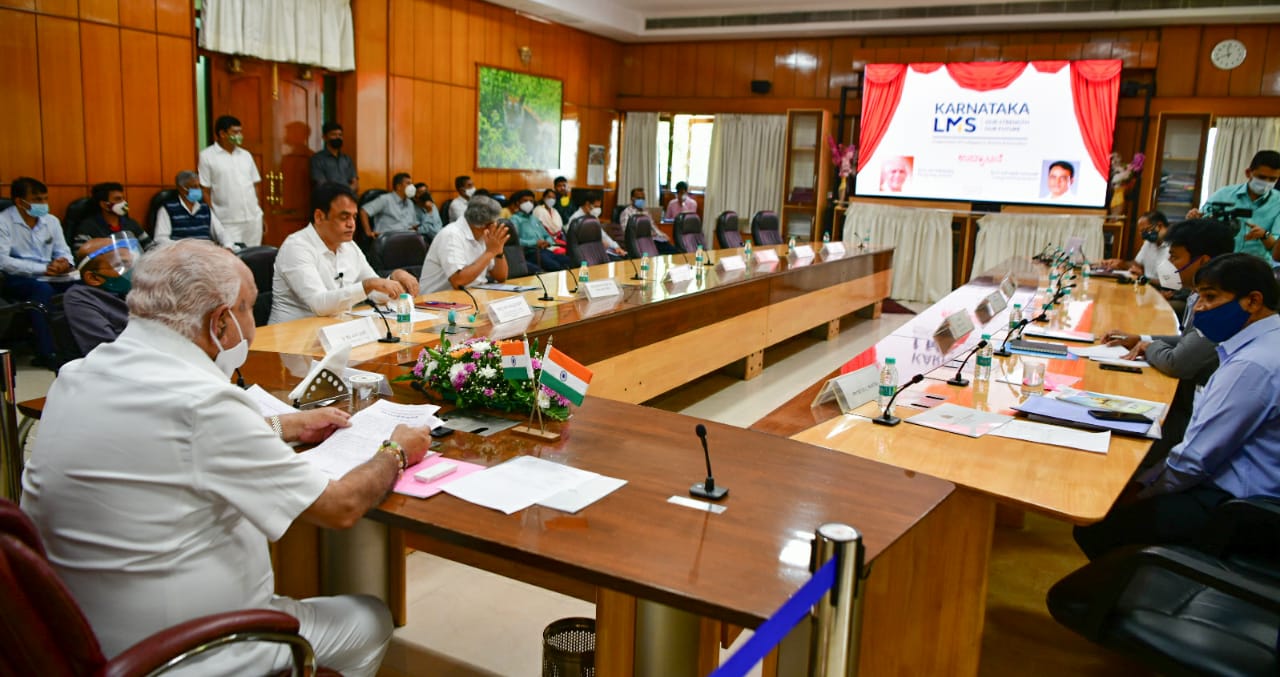
Bengaluru, Nov 30: The Karnataka government on Monday said it has decided to implement a Learning Management System (LMS) based digital learning in government higher educational institutions from the 2020-21 academic year.
'Karnataka LMS' will be implemented in 430 government first grade colleges, 87 government polytechnics and 14 government engineering colleges, an official release said.
This measure will have a progressive impact on the teaching of about 24,000 teachers and learning of about 4.5 lakh students, it added.
'Karnataka LMS' was launched by Chief Minister B S Yediyurappa in the presence of Deputy Chief Minister C N Ashwath Narayan, who is also in-charge of the Higher Education Department.
"This program is being implemented at an expenditure of Rs 34.14 crore in two ways- LMS based digital learning and establishing 2,500 ICT enabled classes," the CM was quoted as saying by his office in a statement.
In LMS, students can access study material anytime and anywhere.
This teaching, learning, continuous evaluation and corrective measures makes it comprehensive, he said.
LMS based digital learning is said to be a "novel and a first of its kind" initiative of the Karnataka government, a boon to students of Government higher education institutions, especially those from socially and economically disadvantaged sections of society.
Stating that it is a platform to revolutionize the teaching and learning process by effecting transformative changes in delivery of content, access and assessment, the release said it is a comprehensive system which empowers teachers, enriches students and bridges the digital divide.
Multilingual e-Content in the form of PPTs, videos, quizzes, assignments and e-study materials congruous with both self-learning and classroom teaching is being developed as per the University prescribed syllabi of 14 affiliating Universities by the faculty of the Department of Collegiate and Technical Education, it said.
In the LMS, there will be analytics for scientific assessment of various parameters related to academics.
There will also be scope for ranking of students, teachers and colleges, cumulative performance report,students' feedback, content rating, tracking of e-content usage by teachers in class rooms and students and detailed analytical report, it added.
ಡಿಜಿಟಲ್ ತಂತ್ರಜ್ಞಾನದ ಮೂಲಕ ಉನ್ನತ ಶಿಕ್ಷಣದ ಗುಣಮಟ್ಟ ವರ್ಧನೆಗೆ ರಾಜ್ಯಸರ್ಕಾರ ಮಹತ್ವಪೂರ್ಣ ಹೆಜ್ಜೆಯನ್ನಿಟ್ಟಿದೆ. ದೇಶದಲ್ಲಿಯೇ ಮೊದಲ ಬಾರಿಗೆ, ಡಿಜಿಟಲ್ ಕಲಿಕೆಗೆ ಒತ್ತು ನೀಡುವ 'ಕರ್ನಾಟಕ ಎಲ್.ಎಂ.ಎಸ್' ಕಾರ್ಯಕ್ರಮಕ್ಕೆ ಇಂದು ಚಾಲನೆ ನೀಡಲಾಯಿತು. ಉಪಮುಖ್ಯಮಂತ್ರಿಗಳು, ಹಿರಿಯ ಸಚಿವರು, ಅಧಿಕಾರಿಗಳು ಉಪಸ್ಥಿತರಿದ್ದರು. pic.twitter.com/H1i9XGCxlr
— B.S. Yediyurappa (@BSYBJP) November 30, 2020
Let the Truth be known. If you read VB and like VB, please be a VB Supporter and Help us deliver the Truth to one and all.
Masked men attempt to break into Haryana Cong chief's house in Narnaul, FIR lodged
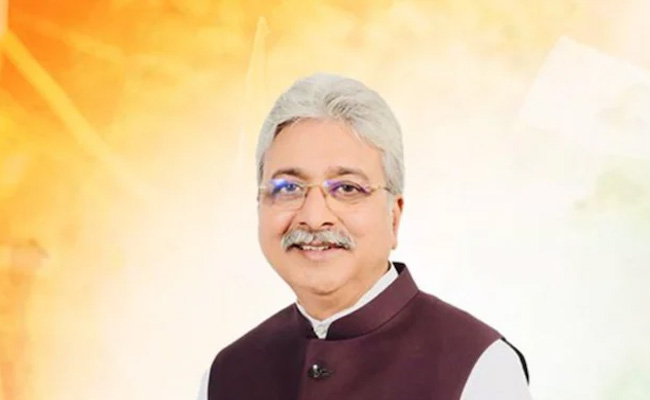
Chandigarh (PTI): Masked men tried to break into the ancestral house of Haryana Congress president Rao Narender Singh in Narnaul, but failed after some staff members woke up on hearing the noise and informed police, officials said on Sunday.
The incident took place in the early hours of Saturday in Narnaul's Shiv Colony. The family members of Singh's brother Rao Devender were inside the house at the time of the incident.
A group of four-five masked men scaled a boundary wall to enter the house from the rear side. They cut off the CCTV wires and locked the rooms of the house staff from outside, police said.
Then they attempted to break open the rear entrance of the house using sharp tools. The house staff was woken up by the noise and raised an alarm, following which the intruders fled by jumping over the boundary wall.
Police said they reached the spot immediately after receiving the information about the incident.
Narnaul Deputy Superintendent of Police (DSP) Bharat Bhushan said special teams have been formed to nab the accused.
An FIR has been registered under Section 330 (house-trespass and house-breaking) and other relevant provisions of the Bharatiya Nyaya Sanhita (BNS) in the matter, he said.
Police teams examined CCTV footage from near the house, in which four masked men are seen on foot. According to preliminary investigation, it appears that the accused may be part of a gang which is active in Bhiwani-Mahendragarh, the DSP said.
"It appears that they entered Rao Narender Singh's house at random for theft and the house may not have been their specific target," Bhushan said.
"We hope to make early arrests in the case," he added.
The opposition Congress targeted the BJP government over the incident, alleging that the law and order in the state is deteriorating.
Congress general secretary Randeep Singh Surjewala said the accused cut the CCTV camera wires, broke the locks and attempted a "deadly assault" on Singh's family. He demanded immediate arrest of the accused.
He said if such an incident can take place at the house of the state Congress chief, imagine the state of fear the common people must be living in.
Surjewala said Singh and other Congress leaders have consistently raised their voices against the "organised crime mafia across Haryana".
Extortion, ransom demands, murder and robbery have become everyday occurrences in Haryana and crime reigns supreme, the Congress leader alleged.