Karnataka govt to reopen schools, PU colleges for classes 10 & 2nd year PUC students from Jan 1
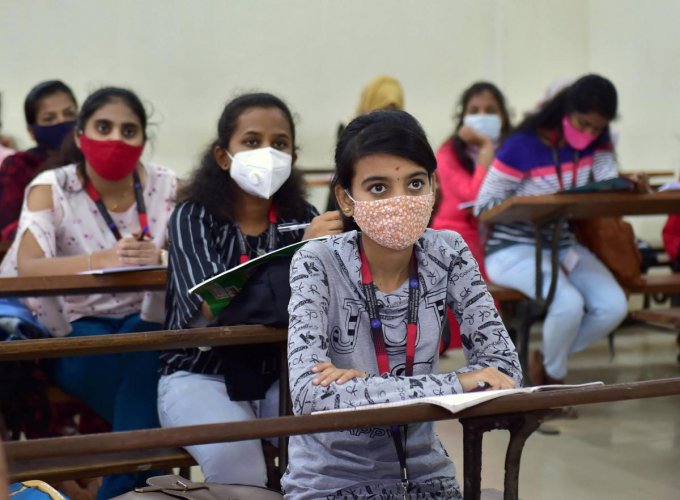
Bengaluru, Dec 19: The Karnataka government on Saturday decided to reopen schools and Pre-University Colleges that were shut due to the prevailing COVID-19 situation, for class 10 and second year PUC (class 12) students from January 1.
It also decided to start the Vidyagama programme, which enables continued schooling for students from classes six to nine, from that date.
The decisions were taken at a high-level meeting chaired by Chief Minister B S Yediyurappa on reopening schools and PU colleges in the state.
He said the advice given by the state's Technical Advisory Committee for COVID-19 on reopening schools and colleges was discussed in detail for about an hour.
They suggested starting classes 10 and 12 (second PUC) from January 1 and for imparting education for students from classes six to nine through the Vidyagama programme, he said.
Speaking to reporters after the meeting, Yediyurappa said "Everyone has unanimously agreed to it...so it has been agreed to start classes 10 and 12 from January 1 and Vidyagama for classes 6 to 9 students."
In a tweet giving information about it,the Chief Minister added that a decision on reopening schools for students of other classes would be taken after reviewing the situation for 15 days.
Both classes 10 and second PUC are crucial as students will have to face board exams.
Schools and PU colleges have remained closed since March just ahead of the national lockdown was first enforced to combat COVID-19.
Degree and engineering colleges in the state were reopened on November 17.
The government, on the advice of the technical advisory committee, last month decided not to reopen the schools and PU colleges in December, citing cold weather and chances of a second wave.
Primary and Secondary Education Minister S Suresh Kumar said two things had to be kept in mind when reopening schools - the health of students and the second,their academic future
"We are balancing both and taking all necessary care," he said.
Standard Operating Procedure has been prepared on reopening schools and the duration it should be held, he said, adding that the Rural Development and Urban Development departments would take necessary steps to sanitise government school classrooms.
Also, hostels run by the Social Welfare Department will be opened for the students.
"Attending classes is not compulsory as students can continue with classes that are online, Youtube or telecast on DD Chandana channel," he added.
The Minister said the present Vidyagama programme would be an improvised version of Vidyagama-1, for which government has mandated, among other things, that students would have to get a permission letter from parents and they should not attend classes if they exhibited symptoms of COVID-19.
"The change in the new Vidyagama is it will be held only in school premises and students can attend it three days a week," he said.
The minister said it was not compulsory for students to attend classes and added that the government's intention was that no student should be left out of this system.
The programme was not the patent of the government and they expected private schools to also follow it, he said.
Vidyagama,a Department of Primary and Secondary Education Department scheme to reach out to students of government schools during the pandemic following the uncertainty over reopening schools, was temporarily suspended in October after reports that students tested positive for COVID-19.
To a question, the minister said a decision on the exam schedule and other things would be decided "on the number of days we will get."
In reply to another question, he said that as all classrooms in schools would be available, only 15 students would be allowed per room, while Vidyagama classes would be held outside within the school premises.
As of December 18, Karnataka had reported 9,07,123 COVID-19 infections, while the toll stood at 11,989.
The number of active cases was 15,380.
2021ರ ಜನವರಿ 1 ರಿಂದ, 10ನೇ ತರಗತಿ ಮತ್ತು ದ್ವಿತೀಯ ಪಿಯುಸಿ ತರಗತಿ ಹಾಗೂ 6 ರಿಂದ 9ನೇ ತರಗತಿಗೆ ವಿದ್ಯಾಗಮ ಪ್ರಾರಂಭ; ಹದಿನೈದು ದಿನಗಳ ಕಾಲ ಪರಿಸ್ಥಿತಿ ಅವಲೋಕಿಸಿ ಇತರ ತರಗತಿ ಪ್ರಾರಂಭಿಸುವ ಕುರಿತು ನಿರ್ಧಾರ. ಮುಖ್ಯಮಂತ್ರಿ @BSYBJP ಅಧ್ಯಕ್ಷತೆಯ ಇಂದಿನ ಸಭೆಯಲ್ಲಿ ತೀರ್ಮಾನ.
— CM of Karnataka (@CMofKarnataka) December 19, 2020
Let the Truth be known. If you read VB and like VB, please be a VB Supporter and Help us deliver the Truth to one and all.
Ordinance issued to increase number of Supreme Court judges from 34 to 38
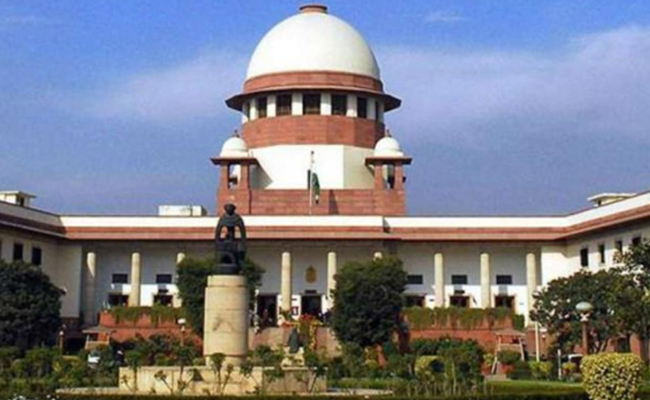
New Delhi (PTI): The government has promulgated an ordinance to increase the strength of the Supreme Court from the present 34 judges to 38, including the Chief Justice of India.
The law ministry notified the ordinance on Saturday, which amended the Supreme Court (Number of Judges) Act, 1956, to increase the sanctioned strength of the top court.
So far, the sanctioned strength of the top court was 34, including the Chief Justice of India (CJI). Now, the number of judges has been increased by four, taking the sanctioned strength to 38.
The top court will now have 37 judges, other than the CJI.
With the apex court having two vacancies at present, and the ordinance coming into force immediately, the Supreme Court Collegium will now have to recommend six names for appointment as judges in the top court.
A bill will be brought in the Monsoon Session of Parliament to convert the ordinance – an executive order – into a law passed by Parliament.
The Union Cabinet had cleared a draft bill on May 5 to increase the number of apex court judges.
The strength of the Supreme Court was last increased from 30 to 33 (excluding the CJI) in 2019.
The Supreme Court (Number of Judges) Act, as originally enacted in 1956, put the maximum number of judges (excluding the CJI) at 10.
This number was increased to 13 by the Supreme Court (Number of Judges), Amendment Act, 1960, and to 17 by another amendment to the law.
The Supreme Court (Number of Judges) Amendment Act, 1986, augmented the strength of judges from 17 to 25, excluding the CJI.
A fresh amendment in 2009 further increased the strength from 25 to 30.
Article 124(3) of the Constitution lists the qualifications required to become a Supreme Court judge.
An Indian citizen who has either served as a high court judge for at least five years, or as an advocate for 10 years, or is a distinguished jurist, can be appointed to the top court.
The strength of the Supreme Court is increased based on the recommendations of the CJI, who writes to the Union law minister. After consulting the finance ministry, the Department of Justice under the law ministry moves the Cabinet with a draft bill.