Karnataka govt writes to Health Ministry on Zika virus, says situation is well under control
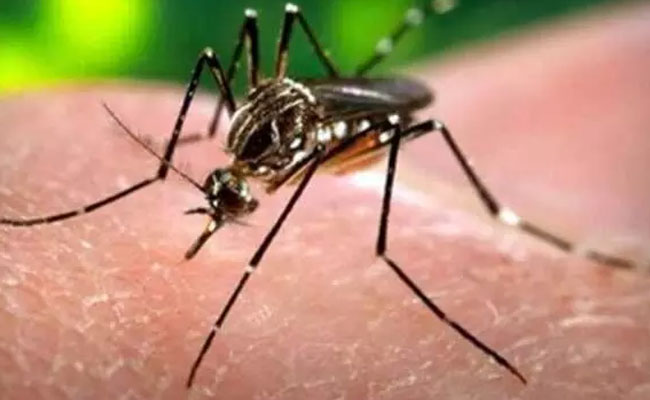
Bengaluru, Nov 3: The Karnataka government on Friday wrote to the Union Health Ministry on the detection of Zika virus in mosquitoes in the state's Chikkaballapura district and stated that the situation is "well under control."
The state health department said in the letter that in view of Zika virus detected in Aedes mosquitoes in Talakayalabetta village in Chikkaballapura district, vector control measures have been intensified and actions taken.
"An area of 5 km diameter is notified as 'Containment Zone (CZ)' for surveillance purpose," the letter said.
The serum samples of pregnant women are submitted to National Institute of Virology, Bengaluru. Indoor space spray with Pyrethrum (2 per cent) is being done in the affected village. Information, Education and Communication (IEC) sessions are conducted in the villages of CZ," the state government said.
It also said there are five villages in the CZ and It has a primary healthcare centre. So far, 34 serum samples including that of fever cases have been submitted.
"The situation is closely monitored by state programme division and necessary technical support is provided. Further, an advisory regarding measures to be followed for Zika virus disease prevention by Healthcare workers and the general public is issued by the Health Commissioner. In total, the situation is well under control," it added.
Health Minister Dinesh Gundu Rao said on Thursday officials of the Department have held a special meeting and chalked out a plan to take necessary precautionary measures to prevent the spread of the virus.
"So far, the Zika virus has not been detected in humans. However, as a precautionary measure, the blood samples of those affected by the fever have been sent for further testing and the report will be received in three days," he had said.
He requested the public to not panic, as the Zika virus is not as deadly as the Nipah virus.
Let the Truth be known. If you read VB and like VB, please be a VB Supporter and Help us deliver the Truth to one and all.
Karnataka makes teenage pregnancies audit mandatory

Bengaluru (PTI): The Karnataka government on Tuesday issued an order mandating an audit of all adolescent pregnancy cases across the state, aiming to systematically track, review and address the underlying causes of pregnancies among girls aged 10 to 18 years.
The order makes adolescent pregnancy audit mandatory by the Taluk Health Officer (THO) for all pregnancies occurring among girls aged 10 to 18 years across the state.
The move is intended to strengthen early identification, counselling and preventive interventions by integrating efforts across health, education and social welfare departments, while leveraging existing programmes such as the National Health Mission (NHM) and Rashtriya Kishor Swasthya Karyakram (RKSK).
“Adolescent pregnancy remains a significant public health and social concern with implications for maternal health, neonatal outcomes, and socio-economic development,” the order said.
It noted that pregnancies among girls aged 10 to 18 years are associated with increased risks of maternal complications, adverse birth outcomes, school dropout and social vulnerability.
According to the order, all adolescent pregnancies identified in the state must be compulsorily reported by both government and private healthcare institutions on the Reproductive and Child Health (RCH) platform.
The audit framework will examine multiple socio-medical factors, including age at marriage, educational status, awareness of reproductive health, access to contraception, and family vulnerabilities.
It will also assess linkages with schemes such as RKSK, Integrated Child Development Services (ICDS) and school health programmes to identify service delivery gaps.
At the Taluk level, a dedicated audit committee will be constituted under the chairmanship of the Taluk Health Officer. Its members will be drawn from primary health centres, field health staff, Anganwadi services and schools.
The government further directed that counselling services, including those through Sneha Centres, access to contraceptives, and targeted outreach to vulnerable adolescent groups—such as school dropouts, migrants and socially disadvantaged households—must be strengthened.
“The audit shall examine age at marriage, educational status, awareness on reproductive health, access to contraception and counselling services, socio-economic and family vulnerabilities,” the order said.
The order mandates strict confidentiality in handling all cases, in compliance with child protection laws, while also ensuring adherence to legal reporting requirements.