Karnataka HC allows probe to continue against WhatsApp group admin over content on Hindu deities
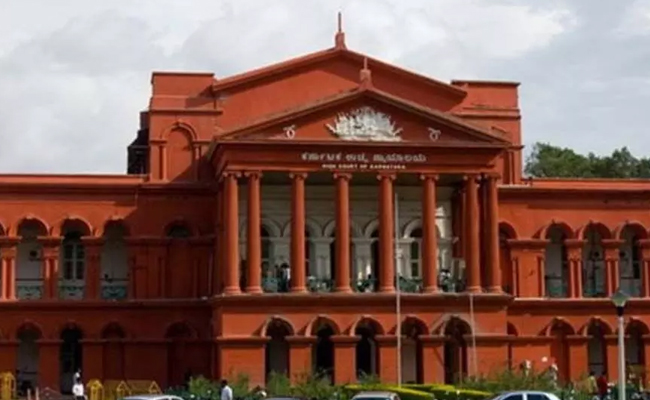
Bengaluru: The Karnataka High Court has declined to interfere with an ongoing investigation against a WhatsApp group administrator accused of allowing the circulation of obscene and offensive images depicting Hindu deities and certain political figures, observing that the allegations prima facie attract offences under the law.
Justice M Nagaprasanna, while dismissing the petition filed by Sirajuddin, held that the essential ingredients of Section 295A of the Indian Penal Code, which deals with acts intended to outrage religious feelings, were made out at this stage. The court said it could not halt an investigation of such nature when the matter was still at a preliminary stage, as reported by Deccan Herald.
Sirajuddin, a resident of Belthangady taluk in Dakshina Kannada district, had approached the High Court seeking to quash a case registered against him in 2021 by the Cyber, Economics and Narcotics Crime police station in Mangaluru. The case was booked under Section 295A of the IPC and Section 67 of the Information Technology Act, which relates to the transmission of obscene material in electronic form.
The complaint was filed by K Jayaraj Salian, who alleged that he had been added to a WhatsApp group through a link received from an unknown source. According to the complaint, the group had around six administrators and nearly 250 members, and obscene images depicting Hindu deities and certain political leaders were repeatedly shared in the group chat.
Sirajuddin was arrested in connection with the case and later released on bail on February 16, 2021. Before the High Court, he argued that he had been selectively targeted while no action was taken against the other administrators, including the creator of the group. He also contended that the case under Section 295A could not proceed in the absence of prior sanction under Section 196(1) of the Code of Criminal Procedure.
Rejecting the argument, the court clarified that prior sanction is required only at the stage when a magistrate takes cognisance of the offence and not at the stage of registration of a case or during investigation. The state placed the investigation material before the court, which, according to Justice Nagaprasanna, contained highly obscene and demeaning depictions of Hindu deities.
The judge noted that the content was such that reproducing it in a judicial order would itself be inappropriate, adding that the material, on its face, had the potential to outrage religious feelings and disturb communal harmony.
While expressing concern that the investigating agency appeared not to have proceeded uniformly against all administrators of the group, the court said it was premature to draw conclusions. It observed that if the investigation reveals active involvement of other administrators or members in permitting the circulation of such content, they too would have to face action under the law.
Let the Truth be known. If you read VB and like VB, please be a VB Supporter and Help us deliver the Truth to one and all.
Case registered over social media posts 'threatening' Kerala CM’s security officer
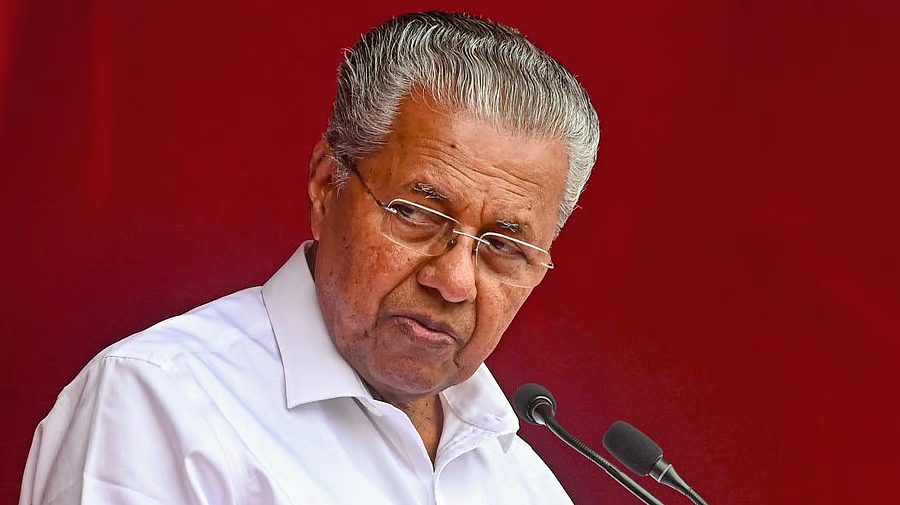
Thiruvananthapuram (PTI): A case has been registered and a probe launched into social media posts allegedly threatening a member of Chief Minister Pinarayi Vijayan’s security team with consequences once the UDF comes to power, officials said on Sunday.
The Thiruvananthapuram City Cyber Police registered the case based on a complaint filed by Chief Minister’s security staff member Sandeep Sasidharan.
The Congress had earlier alleged that Sandeep and another officer, Anil Kumar, brutally assaulted two Youth Congress-KSU activists including using flower pot when they protested against the Chief Minister during the Navakerala Sadas programme in Alappuzha in 2023.
A subsequent probe was conducted against both officers, and the Crime Branch later gave them a clean chit.
Recently, following the conclusion of the state assembly election on April 9, several social media posts allegedly made by Congress, Youth Congress and KSU activists claimed that revenge would be taken once the LDF government is removed and the UDF comes to power.
Police said cases have been registered against Facebook accounts named Arun Rajendran, Tom Kuriakose, Yaser KP, Sony Panamthanam, Sarath Pillai, KSU Kanjiramkulam, Rahul John C and Youth Congress Battle.
According to the FIR, the complainant’s photograph and name were used in several social media posts threatening him with consequences and containing abusive language.
Police said the social media account holders have been identified and will soon be summoned as part of the investigation.
The case has been registered under Sections 296(b) (uttering obscene words causing public annoyance), 351(2) (criminal intimidation), and 3(5) (acts done by several persons) of the Bharatiya Nyaya Sanhita.