
Karnataka High Court urges Parliament to enact Uniform Civil Code
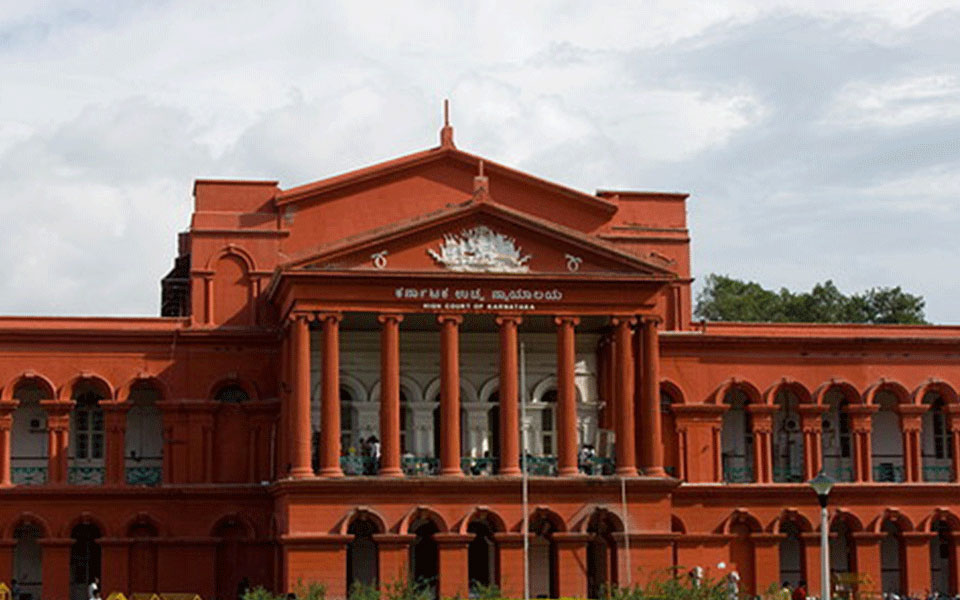
Bengaluru: The Karnataka High Court has urged Parliament and state legislatures to enact a Uniform Civil Code (UCC), stating that such a law would uphold equality for women, promote harmony among castes and religions, and protect individual dignity.
The observation came from a bench headed by Justice Hanchate Sanjeevkumar while hearing a property dispute involving the estate of Abdul Basheer Khan, who died intestate, leaving behind both inherited and self-acquired immovable properties.
In its judgment, the court directed the Registrar General to send a copy of the order to the Principal Law Secretaries of the Union government and the State of Karnataka. It stressed that enacting a UCC would align with Article 44 of the Constitution and the principles laid out in the Preamble—justice, liberty, equality, fraternity, and national unity.
The bench noted that a UCC would ensure justice and equal opportunity for all, particularly women, regardless of caste or religion, and would safeguard the dignity and individuality of every citizen. It also cited Goa and Uttarakhand as examples of states that have introduced UCC laws and encouraged others to follow.
In the case at hand, the High Court upheld a lower court ruling that recognised Shanaz Begum’s right to a share in three properties. The appeal filed by the sons of Abdul Basheer Khan was dismissed, along with a cross-objection by Shanaz Begum seeking a larger portion of the estate.
Article 44 of the Indian Constitution states that the State shall endeavour to secure a uniform civil code for all citizens across India.
Let the Truth be known. If you read VB and like VB, please be a VB Supporter and Help us deliver the Truth to one and all.
Karnataka issues nutrition advisory for govt events; recommends millets, healthier options
_vb_61.jpeg)
Bengaluru (PTI): The Karnataka government on Monday issued a nutrition advisory recommending healthier food and beverage options at meetings, functions, and other official gatherings held in the state.
The advisory has been issued by the Department of Karnataka Health and Family Welfare Services to promote healthy dietary and nutritional habits among officials and staff, noting that food, refreshments and beverages served in government offices and official programmes are "often not aligned with nutrition standards."
The advisory recommends serving snacks such as millet-based, low-fat and low-sugar foods, fresh fruits, vegetable salads, sprouts, roasted nuts and seeds during in-house office meetings and breaks.
Beverages such as green tea, low-fat buttermilk, and locally filtered or boiled water served in glass bottles or steel flasks have also been suggested.
According to the advisory, for larger government events, conferences and exhibitions, departments have been advised to include at least one millet-based item during snacks and a minimum of two millet dishes in meals, along with local cuisine and at least one regional recipe.
It also recommends the use of brown rice instead of white rice, freshly prepared vegetable salads, and fresh fruits or low-sugar fruit juices.
If non-vegetarian food is served, it should consist of well-cooked lean or white meat, the advisory stated.
In eateries operating within government office campuses, the department has recommended millet-based foods, fresh vegetable salads, boiled pulses such as horse gram or chickpeas, and low-fat beverages.
It suggests serving food using reusable metal plates and glasses.
The advisory also recommends avoiding microwave-heated food, industrially processed food, fried snacks, high-fat or heavily spiced dishes, carbonated drinks, high-sugar fruit juices, and alcoholic beverages.
It further discourages serving milk-based tea or coffee and plastic-bottled water during official events.
“Overall, hygiene and cleanliness should be maintained while serving food and water. Local cottage industries, self-help groups, prison kitchens, nutri-gardens and others should be preferred for placing food and beverage orders,” the advisory added.
_vb_54.jpeg)
_vb_07.jpeg)
_vb_34.jpeg)