Karnataka likely to seek Rs 1,100 crore rain relief from centre: Minister R Ashoka
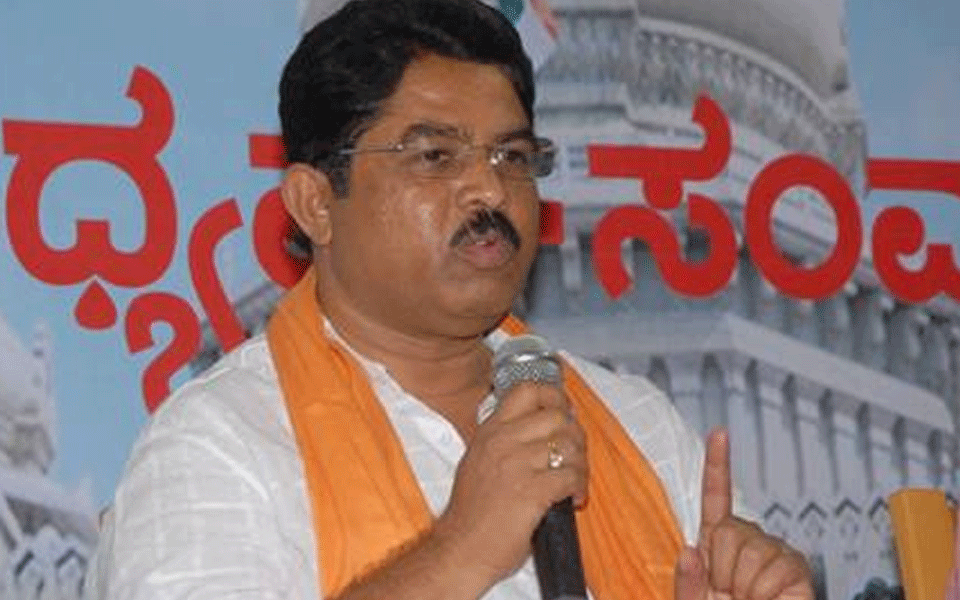
Bengaluru, Nov 30: Karnataka Revenue Minister R Ashoka on Tuesday said that the state is likely to seek Rs 1,100 crore as relief from the Centre for damages caused during the recent rains.
"The report we have to submit to the Centre is getting ready. We may ask for Rs 1,100 crore as relief," he said.
Speaking to reporters here, he said, the memorandum seeking compensation under the National Disaster Response Fund (NDRF) norms will be submitted in three to four days.
According to preliminary data, the recent deluge has resulted in 26 people losing their lives, 5.81 lakh hectares of crop loss and 2,339 km of damaged roads. Officials say these figures have been updated and are being compiled.
Karnataka received 142 mm rainfall in November against the 39 mm it gets on average, which is nearly a 263 per cent deviation from the norm.
Pointing out that the government has so far released a crop loss compensation of Rs 318.87 crore to 4.61 lakh farmers, Ashoka said, "Earlier, it used to be paid once a month or once in three months. We have introduced a new system to pay input subsidies to farmers. We are now making immediate payments in instalments that are released once every three or four days."
All deputy commissioners have been asked to release timely payments to people affected by rains and floods, he said, adding that Deputy Commissioners of districts have Rs 681 crore in their personal deposit accounts.
Let the Truth be known. If you read VB and like VB, please be a VB Supporter and Help us deliver the Truth to one and all.
PM Modi pays tributes to Jagjivan Ram
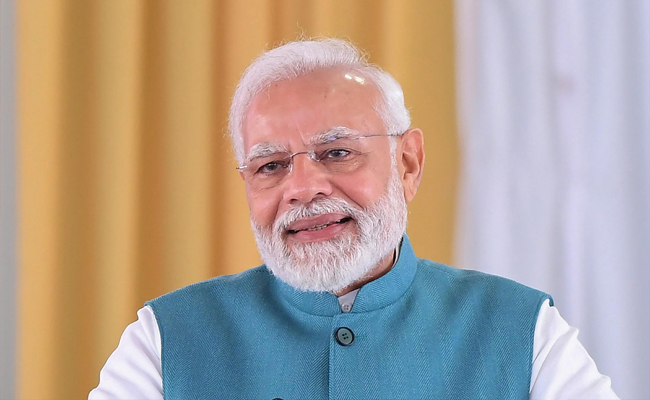
New Delhi (PTI): Prime Minister Narendra Modi on Sunday paid tributes to former deputy prime minister and stalwart Dalit leader Jagjivan Ram on his birth anniversary, saying his invaluable contribution to the nation will always be remembered.
"I pay my humble tributes to former Deputy Prime Minister Babu Jagjivan Ram Ji on his birth anniversary. He dedicated his life to the cause of equality and social justice," Modi said.
"His invaluable contribution to the nation will always be remembered," the prime minister said.
Hailing from Bihar, Ram distinguished himself for his administrative skill and his role as the Union defence minister during the 1971 war against Pakistan has been lauded.
He had left the Congress in protest against the Emergency.