Karnataka logs 430 new COVID-19 cases, 7 fatalities
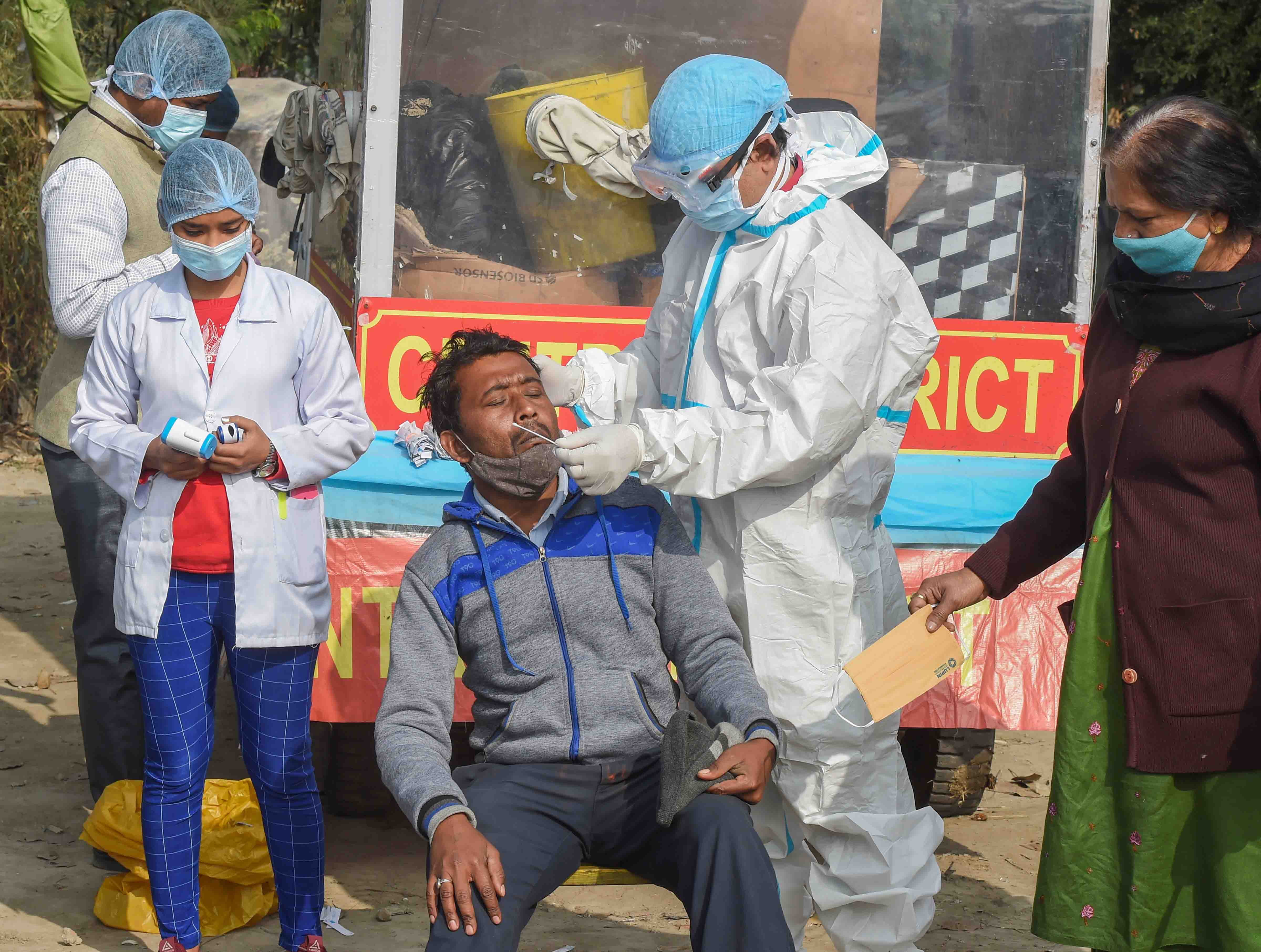
Bengaluru, Feb 11: Karnataka on Thursday reported 430 fresh COVID-19 cases and seven deaths, taking the caseload and toll to 9,44,057 and 12,251 respectively, the rpt the health department said.
The active cases stood at 5,958.
A health department bulletin said 340 patients were cured of the disease on Thursday, taking the number of recoveries to 9,25,829.
There were as many as 68,194 tests conducted today, including 64,596 using the RT-PCR and other methods, taking the total tests done so far to 1.78 crore, it said.
Bengaluru urban district reported 228 infections whereas all the fatalities took place in Bengaluru Urban (6) and Bengaluru rural district (1).
Cumulatively, the city has reported 4,01,323 infections, 4,417 deaths, 3,92,985 discharges, including 128 today, and 3,920 active cases.
No district in Karnataka, other than Bengaluru, crossed above 30 infections today, while 29 districts reported nil deaths.
According to the health bulletin, 28 fresh COVID-19 cases were reported in Dakshina Kannada, 25 in Mysuru, 18 in Tumakuru, 14 in Udupi, 13 in Chitradurga, 11 in Bengaluru Rural and 10 in Kalaburagi.
Cases were also reported in Belagavi, Ballari, Chikkaballapura, Davangere, Dharwad, Gadag, Hassan, Kolar, Kodagu, Mandya, and Uttar Kannada.
There were nil infection and zero fatality in Bagalkote, Bidar and Haveri whereas four districts reported only one infection and nil fatalities.
Let the Truth be known. If you read VB and like VB, please be a VB Supporter and Help us deliver the Truth to one and all.
PM should tell his MPs to do better homework before raising issues in Parliament: Cong
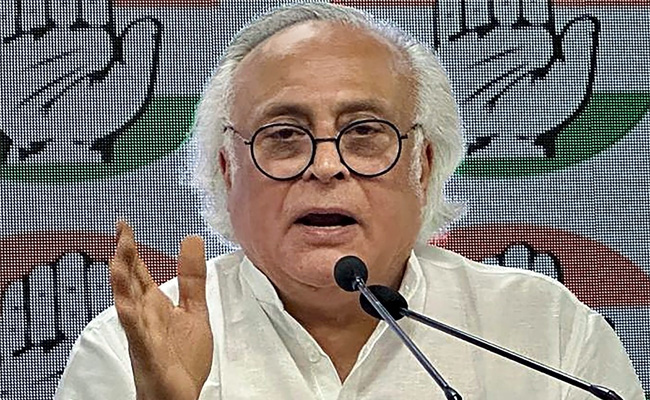
New Delhi (PTI): Congress leader Jairam Ramesh on Monday asked Prime Mi nister Narendra Modi to tell his MPs to do better homework before raising issues in Parliament.
His reaction came after BJP MP K Laxman accused the Congress and other opposition parties of appeasement and doing votebank politics by giving OBC reservation to Muslims.
"Today in the Rajya Sabha, the Indian National Congress was accused of appeasement because of its stance on reservations for Muslims on the basis of backwardness," Ramesh said in a post on X.
"Here is what the Prime Minister had himself said on this subject on Feb 9, 2022. The PM should tell his MPs to do better homework," the Congress leader said, while sharing an undated video of the Prime Minister.
In the video, PM Modi is saying that in Gujarat too, there are 70 such castes in Muslim community which were OBC.
"In my Gujarat, when I was there, they received the benefits under OBC category, but I did not see that in the media," the prime minister said in the video.