Karnataka makes negative RT-PCR report mandatory for people coming from Maharashtra
Bengaluru, Feb 20: The Karnataka government on Saturday mandated a negative RT-PCR certificate that is not older than 72 hours for those arriving in the state by flights, buses, trains and personal transport from Maharashtra, following the recent spike in COVID cases there.
The report shall be verified at the time of boarding by airline staff, a circular issued by the Additional Chief Secretary Department of Health and Family Welfare Jawaid Akhtar said.
For those travelling by bus, tickets shall be issued on production of negative RT-PCR report or shall be checked by the bus conductor while boarding of those who have booked tickets online, etc.
In trains, the TTEs shall check the report, it said, adding that a random check of the testing reports from the persons arriving at the tollgates /point of entry shall be made for those coming by personal transport.
"All those arriving from Maharashtra and checking into hotels, resorts, hostels, homestays, dormitories, etc.
shall compulsorily produce a negative RT-PCR certificate that is not older than 72 hours," the circular said.
It said owners of these places should ensure that the occupants produce negative RT-PCR certificates.
Listing the guidelines that needs to be followed, the circular said those who have arrived from Maharashtra in the past two weeks (colleges, hospitals, nursing homes, hostel, hotel, lodge etc.) in Karnataka shall compulsorily be subjected to RT-PCR test.
In a similar circular, Karnataka earlier this week had issued new guidelines mandating all those coming from Kerala to the state to carry a negative RT-PCR test report not older than 72 hours.
Karnataka government issues a circular in view of rising cases of COVID-19 in neighbouring Maharashtra. "A negative RT-PCR certificate that is not older than 72 hours shall be compulsory for those arriving by flights/ buses/trains/personal transport," it reads. pic.twitter.com/ByAovm8YeB
— ANI (@ANI) February 20, 2021
Let the Truth be known. If you read VB and like VB, please be a VB Supporter and Help us deliver the Truth to one and all.
PM should tell his MPs to do better homework before raising issues in Parliament: Cong
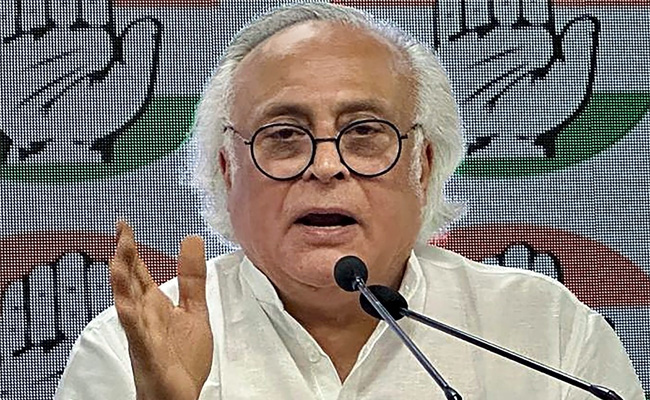
New Delhi (PTI): Congress leader Jairam Ramesh on Monday asked Prime Mi nister Narendra Modi to tell his MPs to do better homework before raising issues in Parliament.
His reaction came after BJP MP K Laxman accused the Congress and other opposition parties of appeasement and doing votebank politics by giving OBC reservation to Muslims.
"Today in the Rajya Sabha, the Indian National Congress was accused of appeasement because of its stance on reservations for Muslims on the basis of backwardness," Ramesh said in a post on X.
"Here is what the Prime Minister had himself said on this subject on Feb 9, 2022. The PM should tell his MPs to do better homework," the Congress leader said, while sharing an undated video of the Prime Minister.
In the video, PM Modi is saying that in Gujarat too, there are 70 such castes in Muslim community which were OBC.
"In my Gujarat, when I was there, they received the benefits under OBC category, but I did not see that in the media," the prime minister said in the video.