Karnataka Muslim scholars instruct mosques to not use loudspeakers for morning azaan
Instructions were issued after scholars met public representatives from Muslim community
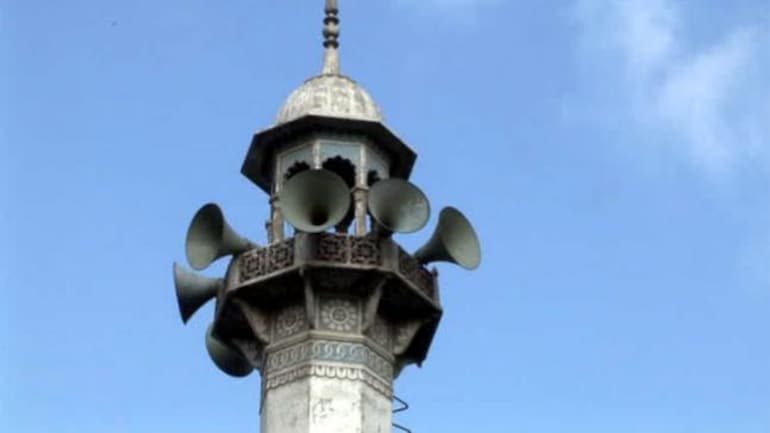
Bengaluru: Religious Scholars in Karnataka have issued instructions to mosque committees across the state to not use loudspeakers for morning prayers and azaan (Fajar) in accordance with the latest state government order.
The instructions were issued after several top Muslim scholars held a meeting with Muslim public representatives including MLAs and MLCs and discussed the matter. The meeting was chaired by Ameer-e-Shariat Moulana Sageer Ahmed Rashadi.
Speaking to media reporters after the meeting, Moulana Sageer Ahmed Rashadi urged the mosque committees to follow guidelines issued by the government and Supreme Court adding that they should also secure written permission as prescribed in government order for using loudspeakers during the daytime.
“We give azaan five times a day. So it’s about leaving out loudspeakers only for the morning prayers. We should follow what the government order and SC say. It is not only restricted for the Muslims, it is applicable for all the people and all activities of other faiths as well.” He said.
Wakf Board Chairman Moulana Shafi Saadi, Moulana Mansoor Imran Rashadi, Mufti Iftikhar Ahmed Qasmi, MLA Zameer Ahmed Khan, NA Haris, Rizwan Arshad, Deputy Leader of Opposition in Karnataka Assembly UT Khader, MLC Naseer Ahmed, and others were present during the meeting.
Let the Truth be known. If you read VB and like VB, please be a VB Supporter and Help us deliver the Truth to one and all.
Congress using hijab issue to pacify minority anger, alleges Karnataka LoP R Ashoka
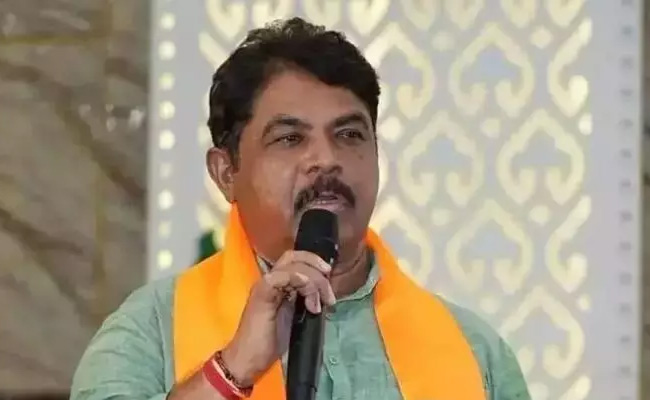
Bengaluru: Leader of Opposition in the Assembly R. Ashoka has accused the Congress government of using the hijab issue to placate what he described as discontent among minority voters after the Davanagere by-election.
In a post on X on Wednesday, Ashoka alleged that the state government, instead of addressing issues such as price rise, corruption, farmers’ distress and law and order, was attempting to retain its minority vote base by reviving the hijab issue.
Referring to the 2022 dress code introduced by the BJP government, which prohibited hijab in schools and colleges, Ashoka said the Karnataka High Court had upheld the policy and emphasised the importance of discipline in educational institutions.
He questioned the Congress government’s move to revisit the issue and asked whether setting aside the court-backed policy to benefit one community could be described as secularism.
Ashoka further alleged that while the government was willing to permit hijab, it continued to prohibit saffron shawls.
He accused the government of dividing students on religious lines rather than treating schools and colleges as spaces of equality.
Drawing a comparison with Mamata Banerjee’s government in West Bengal, Ashoka claimed that excessive appeasement politics had harmed the state and warned that the Congress in Karnataka could face a similar political response.
He said voters in Karnataka would teach the Congress a lesson for what he termed “vote-bank politics” and for compromising constitutional and judicial principles.