Karnataka Police Chief issues new traffic guidelines after toddler’s death
No stops without visible violation, body-worn cameras mandatory during physical inspections
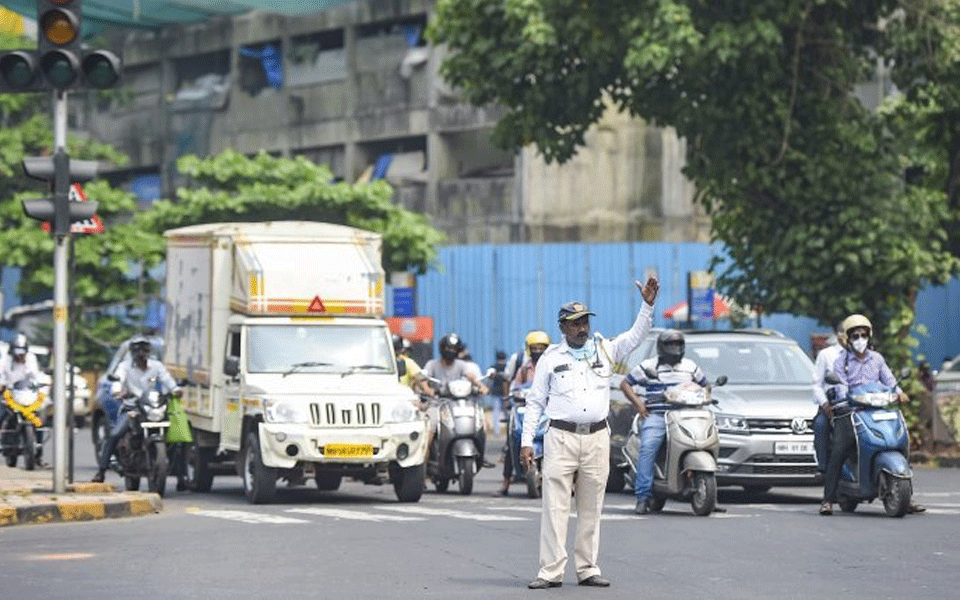
Bengaluru: In the wake of the recent tragic deaths of a toddler in Mandya and a traffic policeman in Davanagere, Karnataka Director General and Inspector General of Police (DG&IGP) M A Saleem has issued strict new guidelines aimed at ensuring safer traffic enforcement across the state.
The new directives prohibit traffic police from taking vehicle keys, pulling at pillion riders, or abruptly stopping moving vehicles. Officers are instructed to stop vehicles only for visible traffic violations, and not to conduct random document checks without specific cause.
Zig-zag barricades on highways have also been banned, and police have been advised not to chase fleeing violators, but instead to record their vehicle numbers and alert the nearest control room.
Saleem further directed all traffic personnel to wear reflective jackets and use LED batons during evening and night operations. Body-worn cameras have been made mandatory during physical inspections.
In areas with Intelligent Traffic Management Systems (ITMS), officers must rely on contactless enforcement. The DG\&IGP also stressed the need for public awareness drives about traffic rules and safe practices.
For inspection drives on highways, officers must place reflective cones 100 to 150 metres ahead to give vehicles time to slow down. Night checks should preferably be conducted at locations equipped with signal lighting.
Finally, law and order police have been asked to limit nakabandis on highways and coordinate with traffic police when necessary.
Let the Truth be known. If you read VB and like VB, please be a VB Supporter and Help us deliver the Truth to one and all.
Karnataka govt to strictly implement the paid menstrual leave policy, after HC directive
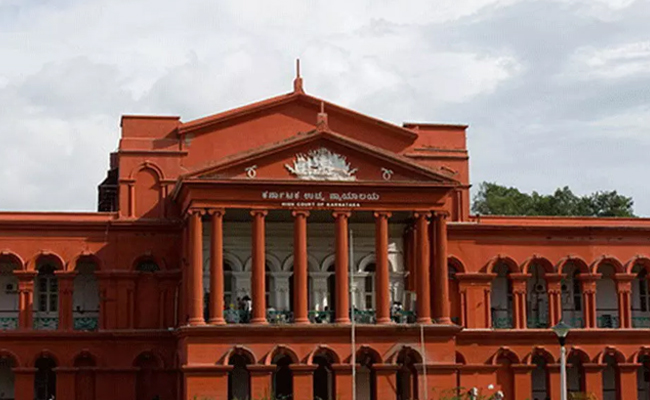
Bengaluru (PTI): Karnataka Labour Minister Santosh Lad has said that the government will strictly implement the paid menstrual leave policy across all sectors at the earliest, following the High Court directive.
The High Court of Karnataka had recently directed the state government to "strictly and faithfully" implement the menstrual leave policy, pending formal enactment of the proposed legislation.
"I welcome the directive issued by the Karnataka High Court in support of our state government's ambitious menstrual leave policy," Lad said.
The state government has taken firm steps to implement the menstrual leave policy comprehensively, and as a model to the country, he said in a post on 'X' on Thursday.
"In line with the court's opinion that menstrual leave is a matter of women's dignity, justice, and humane recognition of their lived realities, we will strictly implement the paid menstrual leave policy--equivalent to one day per month, or 12 days per year--across all sectors at the earliest," he added.
The court had said that in the interregnum, it shall be incumbent upon the state to ensure effective operationalisation of the policy through the issuance of suitable guidelines, circulars, and administrative instructions, as may be necessary to secure its uniform, consistent, and rigorous implementation across all sectors.
The court issued the directive while hearing on a petition filed by 41-year-old Chandravva Hanumant Gokavi, who works in a hotel in Mudalgi of Gokak taluk in Belagavi district, before the Dharwad bench, seeking implementation of the November 20, 2025, order of the government providing one-day menstrual leave for all working women.