Karnataka State Election Commission begins preparations for gram panchayat polls
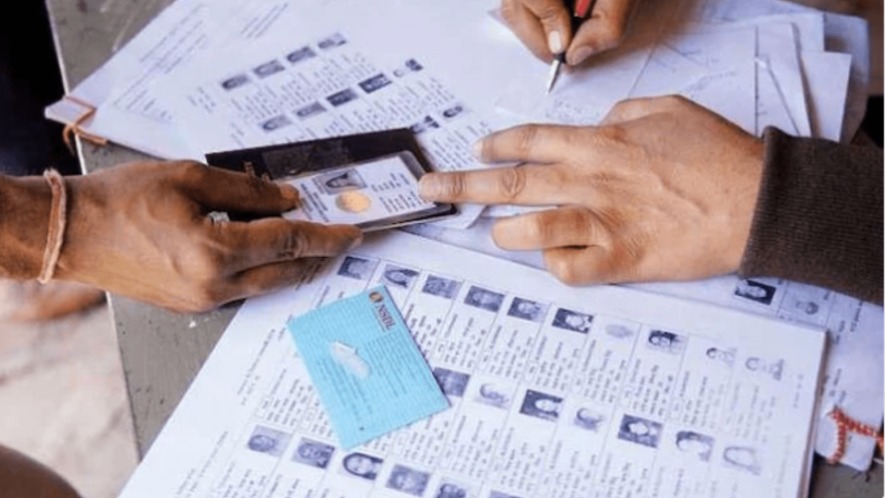
Bengaluru: The Karnataka State Election Commission (SEC), in coordination with the state government, has begun preparations for the upcoming gram panchayat (GP) elections, as the five-year terms of over 5,700 gram panchayats are set to expire between December 2025 and January 2026.
Arundati Chandrashekar, Commissioner of the Karnataka Panchayat Raj Commissionerate, has directed the CEOs of all 31 zilla panchayats to submit detailed lists of gram panchayats whose terms are concluding. The deadline for submitting this data to the panchayat raj commissionerate is October 24, according to a letter cited by The Times of India on Tuesday.
The directive follows a communication from the SEC requesting information on gram panchayats with expiring terms, including member details, reservation specifics for women and various categories, and other relevant electoral data. Zilla panchayats have been given 15 days to compile and forward this information to assist the SEC in updating electoral rolls and scheduling the polls.
G.S. Sangreshi, SEC commissioner, said that the SEC had written to the government regarding the conduct of GP elections and was awaiting a response. "We expect a reply to initiate further proceedings. We will plan based on the govt's reply," TOI quoted Sangreshi as saying.
Meanwhile, some Members of the Legislative Council (MLCs) elected from local bodies had proposed allowing candidates to contest GP elections using party symbols. However, the proposal was rejected by Chief Minister Siddaramaiah in September, who described it as a “bad idea” that could encourage political groupism and disrupt village-level harmony.
Officials quoted in the report confirmed that candidates will continue to contest using their own unique symbols on the ballot paper, and the use of symbols affiliated with any recognised political party will be prohibited in the gram panchayat polls.
The last GP elections in Karnataka were held in December 2020 in two phases, covering nearly 93,000 wards across more than 5,700 gram panchayats.
Let the Truth be known. If you read VB and like VB, please be a VB Supporter and Help us deliver the Truth to one and all.
Karnataka: GBA city corporation polls likely between June 14 and 24
Bengaluru (PTI): Karnataka State Election Commissioner G S Sangreshi on Friday said elections to the five city corporations under the GBA will be held anytime between June 14 and June 24.
He said the exact date for the polls will be announced after a week, asserting that the power to postpone the elections, as requested by GBA authorities, lies with the Supreme Court.
The Supreme Court had directed the Karnataka government and the State Election Commission to conduct Bengaluru local body elections by June 30.
On Friday, the SEC held a consultation meeting with the GBA Chief Commissioner and commissioners of the five city corporations regarding the election schedule, as per the provisions of the GBA Act.
“During the meeting, I informed GBA officials that only the election date has to be fixed, as all other measures and formalities for conducting the polls have already been completed,” Sangreshi said.
“They requested the Commission to consider factors such as rains, exams, census work, SIR, and manpower shortages while fixing the date and sought additional time,” he added.
Speaking to reporters after the meeting, he said, “I told them this meeting was not for seeking time. Elections to the five corporations under the GBA must be held before June 30, as directed by the Supreme Court, and a compliance report must be submitted to the court. I do not have the power to postpone the elections as requested.”
The Supreme Court has already given a “final opportunity,” and both the SEC and the government must comply with its directions, the State Election Commissioner said.
He asked GBA officials to suggest suitable dates between June 14 and June 24.
“While stating that they are ready for elections, the officials highlighted operational challenges, including manpower shortages. However, I have informed them that the elections will have to be held between June 14 and June 24. After a week, I will announce the final date,” he said.
Reiterating that he does not have the power to postpone the elections, Sangreshi said the authority rests with the Supreme Court, and elections must be conducted as scheduled.
“We have consulted the GBA as per the rules. It is up to them to suggest a date within the given window. If they need more time, they must approach the court. Our responsibility is to fix the date and complete the polls before June 30,” he said.
The matter regarding manpower and other concerns raised by GBA officials is already before the Supreme Court, and the State Election Commission has also filed a petition in this regard. The case is yet to be heard.
“Since the matter has not come up for hearing, the earlier order remains binding. Therefore, preparations are underway,” he added.
The tenure of the previous elected body under the erstwhile Bruhat Bengaluru Mahanagara Palike (BBMP) ended on September 10, 2020, and since then, a government-appointed administrator has been managing its day-to-day affairs.
Bengaluru was divided into five municipal corporations—Central, East, West, North, and South—under the Greater Bengaluru Authority in September 2025, replacing the BBMP.
Sangreshi had earlier said that elections to the five corporations would be conducted using ballot papers instead of Electronic Voting Machines.
This follows the Congress government’s decision last September to recommend the use of ballot papers in all future panchayat and urban local body elections, citing concerns over declining public confidence in EVMs.
The state government subsequently enacted the Karnataka Gram Swaraj and Panchayat Raj (Amendment) Act, 2026, paving the way for the use of ballot papers in local body elections.