Karnataka to set up first German language examination centre in Bengaluru to aid overseas employment

Bengaluru: The Karnataka government has announced plans to establish the state’s first foreign language examination centre for German in Bengaluru to support candidates trained under the Skill Development Department in securing employment opportunities abroad.
The move comes in response to the long waiting period faced by students seeking to appear for German language proficiency tests at the Goethe Institute, currently the only recognised centre offering both training and examinations in the language.
According to officials, the Karnataka Vocational Training and Skill Development Corporation (KVTSDC) has collaborated with the German Agency for International Healthcare Professionals (DeFa) for the proposed centre, which will not only conduct German language examinations but will also provide German language training to healthcare workers aspiring to work overseas. Others may also register for the examination through the government-run facility.
KVTSDC Managing Director Nagaraja N M said that a team from Germany recently inspected the Karnataka Technical Training Institute in Bengaluru, where the examination centre is planned. “We have submitted our proposal and are awaiting final approval from the concerned authorities,” he said.
Officials from KVTSDC added that healthcare workers can register for free language courses in German, Japanese, Italian, Spanish, and English until the end of October. “Over 800 nurses have already enrolled in the free training programmes. Given the rising demand for healthcare professionals in Germany, especially nurses, knowledge of the German language will give our candidates a significant advantage,” Nagaraja said.
Germany is reportedly seeking to recruit at least 10,000 healthcare professionals, creating a strong opportunity for trained workers from Karnataka.
Healthcare professionals interested in enrolling for the government’s free foreign language courses can register at http://nursesflt.ksdckarnataka.com.
Karnataka’s Minister for Medical Education and Skill Development, Sharan Prakash Patil, said the initiative aims to promote safe, ethical, and humane migration by equipping skilled professionals with language proficiency and internationally recognised certifications, thereby enhancing their global employment prospects.
Let the Truth be known. If you read VB and like VB, please be a VB Supporter and Help us deliver the Truth to one and all.
Bengaluru jail introduces biometric tracking system for prisoners
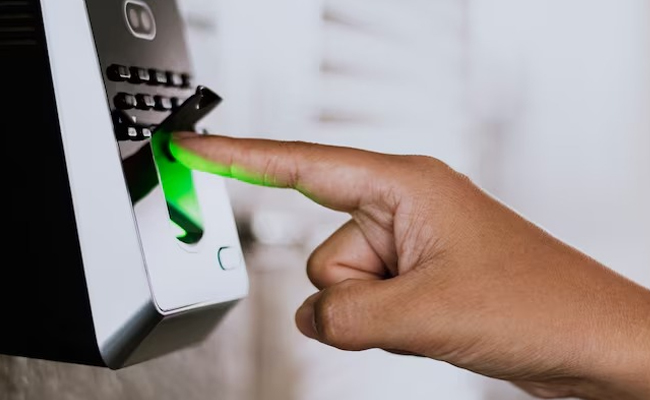
Bengaluru: In a bid to curb misconduct and illegal activities inside Parappana Agrahara Central Prison, prison authorities have introduced a new ‘Prisoners Tracking Movement System’ under which inmates will have to undergo biometric verification while entering every barrack.
According to jail officials, biometric systems have been installed across all major sections of the prison, including barracks, visitor rooms, hospital, canteen, kitchen, library, playground, handicraft units and bakery sections. Staff members have also been deployed at these locations.
Officials said inmates visiting the visitors’ room must now obtain a digital token after biometric verification. Details such as the prisoner’s name, identification number and entry time will be updated in the prison software system. This will help authorities maintain a complete digital record of inmates visiting and returning from meeting rooms.
Similar systems have also been introduced at entry points of the hospital, library and other barracks accessed for work-related purposes. Officials said the system will help identify prisoners involved in suspicious or illegal activities with other inmates and enable authorities to track how much time a prisoner spends at different locations inside the prison.
Authorities stated that AI-powered cameras were already being used inside the prison to monitor inmates as well as prison staff. Along with this, digital tracking of prisoner phone calls and a digital token system for visitor meetings have now been added to strengthen surveillance over inmate movement. Officials said the project has been implemented at a cost of around Rs 2.25 crore.
The prison department has also introduced a canteen usage tracking system to monitor prisoners’ spending patterns. Instead of direct cash payments, inmates can purchase bakery items and snacks using wallets or coupons issued within the prison system.
Officials said the digital system will record details including the buyer’s name, items purchased, quantity, date, time and remaining wallet balance. This will allow prison authorities to maintain complete expenditure records of inmates.