Karnataka's COVID tally at 8.29 lakh with 2,576 fresh cases, 29 deaths
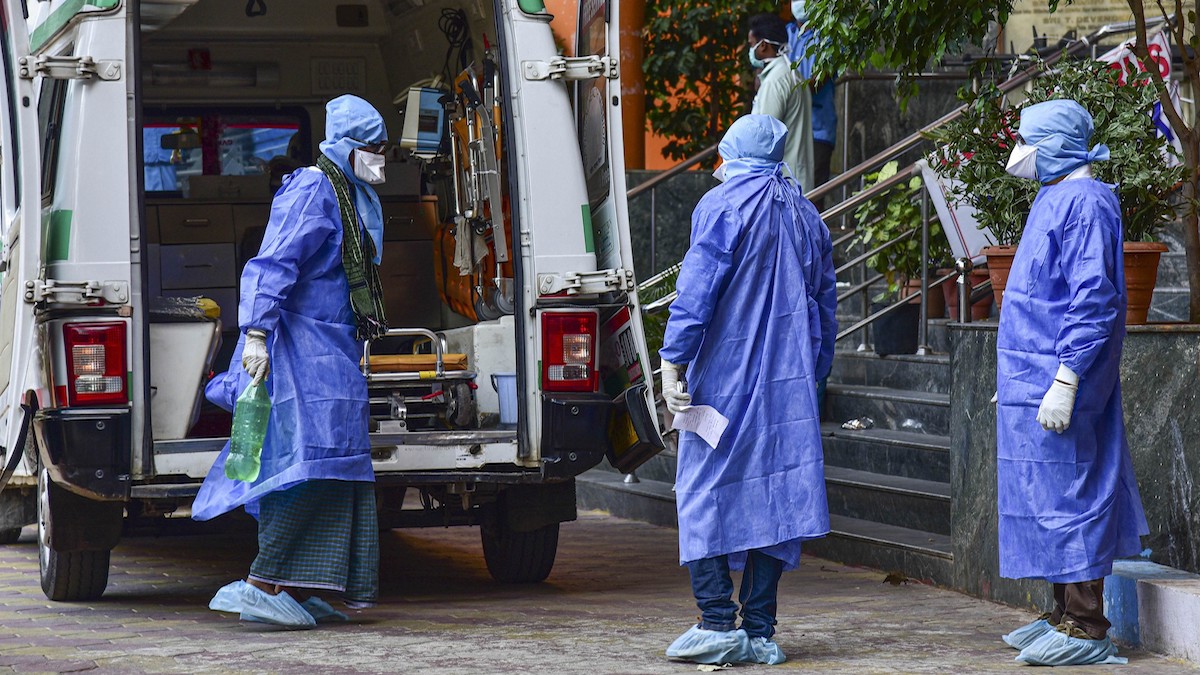
Bengaluru: With 2,576 fresh cases and 29 deaths, Karnataka's COVID-19 tally, and cumulative fatalities reached 8,29,640 and 11,221 respectively on Monday, the health department said.
The state has been showing a steady decline in cases and mortalities in recent days from an alarming over 10,000 infections and around 200 fatalities a day about a month ago.
Sharing the encouraging trends, state Health Minister Dr. K Sudhakar tweeted, "2,576 new Covid cases have been reported in Karnataka today and 8,334 recoveries.7,73,595 people have recovered in the state so far with a recovery rate of 93.24%.
State's covid mortality rate stands at 1.35%."
He went on to say "Victory is ours in the fight against coronavirus!" and added it would happen if people followed the three precautions of wearing masks, clean hands, and social distance.
The total infections comprised 7,73,595 discharges, including 8,334 on Monday, and 44,805 active cases, including 931 in the intensive care units (ICUs) of various hospitals, a bulletin issued by the health department said.
About 50 percent of the fresh cases and fatalities were contributed by the Bengaluru Urban district with 1,439 infections and 14 deaths.
Cumulatively, the city has reported 3,40,075 infections, 3,888 deaths and 3,10,088 discharges, including 5,925 on Monday. It has 26,098 active cases.
According to the bulletin, as many as 123 cases were reported in Tumakuru, 100 in Mysuru, 92 in Mandya, 87 in Hassan, 60 in Ballari, 58 in Chikkaballapura, and 51 in Dakshina Kannada, and the rest were scattered over other districts.
Most of those who died of coronavirus were above 50 years of age but there were three people in their 40s and two in their 30s, it said.
A total of 78,496 tests, including 65,015 using the RT PCR method, were done, taking the cumulative number of specimens screened so far to 80.91 lakh.
Let the Truth be known. If you read VB and like VB, please be a VB Supporter and Help us deliver the Truth to one and all.
Chhattisgarh govt enforces austerity measures, restricts foreign travel and cuts convoy vehicles
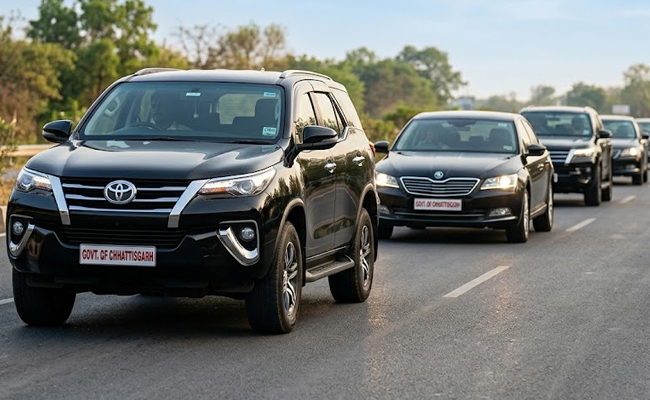
Raipur (PTI): The Chhattisgarh government on Saturday rolled out a set of austerity measures, including restricted use of convoy vehicles for the chief minister, ministers and heads of state-run bodies, besides curbs on foreign travel at government expense.
The state has decided to implement the cost-saving steps with immediate effect to ensure efficient management of financial resources and discipline in public spending, said a directive issued by Finance Secretary Rohit Yadav.
The move follows Prime Minister Narendra Modi’s appeal for austerity amid the ongoing conflict in West Asia.
The order said that only essential vehicles should be used in the convoys of the CM, ministers and office-bearers of corporations, boards and commissions, while ensuring restrained use of other government resources.
It also directed departments to take steps for a phased conversion of all official vehicles into electric vehicles in order to promote the use of EVs.
As part of fuel-saving measures, expenditure on petrol and diesel for government vehicles should be kept to a minimum, the directive said.
Vehicle pooling arrangements should also be implemented for officials of departments travelling to the same destination, it added.
The order further stated that foreign travel of government employees at state expenses will be completely prohibited except under extremely unavoidable circumstances. In such cases, prior approval of the CM will be mandatory.
To reduce administrative expenditure, departments have been instructed to hold physical meetings preferably only once a month and encourage virtual and online meetings. Regular departmental review meetings should compulsorily be conducted through video conferencing, it said.
The government also stressed the need for energy conservation in its offices, directing that all electrical equipment, including lights, fans, air-conditioners and computers, must be switched off after office hours.
The directive will remain effective till September 30 this year.
Amid the war involving the US, Israel and Iran, Modi has suggested reducing petrol and diesel consumption, using metro rail services in cities, carpooling, increased use of EVs, utilising railway services for parcel movement and working from home to conserve foreign exchange.