Karnataka's own 'Hana' soft drinks now set to enter gulf markets
The brand will be launched in Dubai following its launch in Saudi Arabia
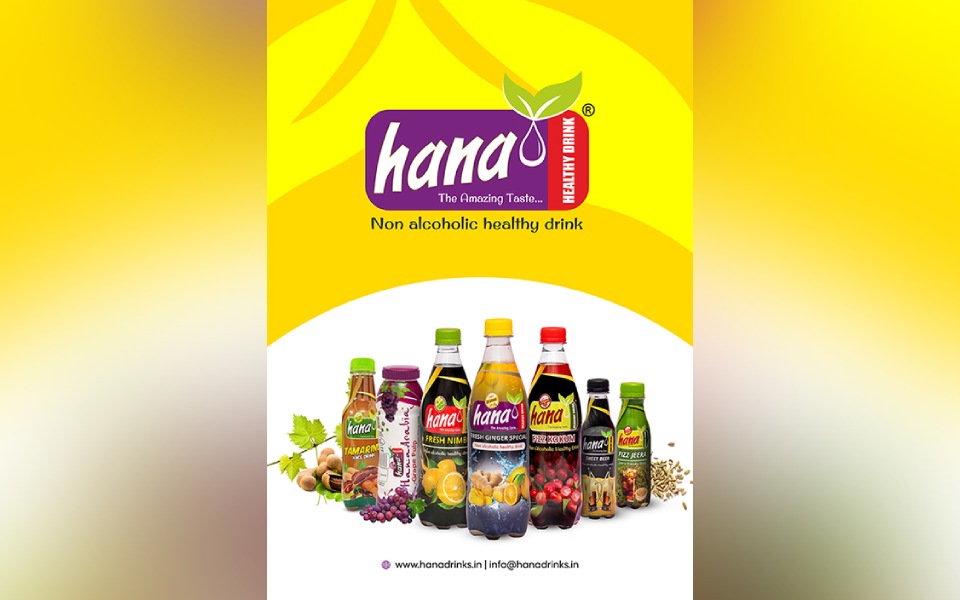
Bengaluru: Karnataka-based company 'Swadeshi Food and Beverages' announced that its popular natural and healthy soft drink brand, 'Hana,' will soon be available in the markets of the Gulf countries. Currently, 'Hana' soft drinks are being exported to major markets in Saudi Arabia, and the company plans to introduce them to the markets of Dubai.
Established in 2015, 'Hana' soft drinks have gained significant popularity since their inception. The company's production plants, located in Bengaluru and Mysuru, have been successfully delivering the natural and refreshing beverages. As part of its expansion strategy, 'Hana' aims to diversify into different markets and has planned to set up new production units in Ahmedabad and Mangaluru. Preparations for establishing these units are underway, as stated in the company's release.
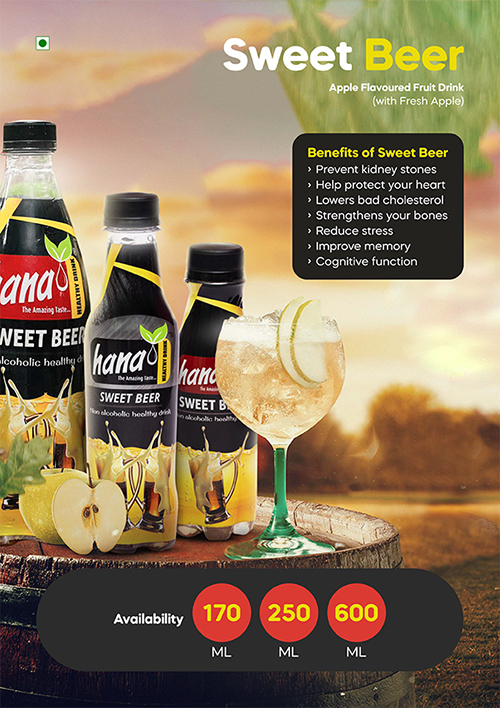
The 'Hana' brand is widely recognized for its healthy and natural qualities, with no alcoholic content in its drinks. In addition to Karnataka, the delicious range of 'Hana' soft drinks has garnered a loyal customer base in major cities across Kerala, Tamil Nadu, Goa, Maharashtra, Andhra Pradesh, Telangana, Gujarat, and Odisha. The brand's popularity in coastal Karnataka has positioned it as a strong competitor to soft drinks offered by renowned multinational companies.
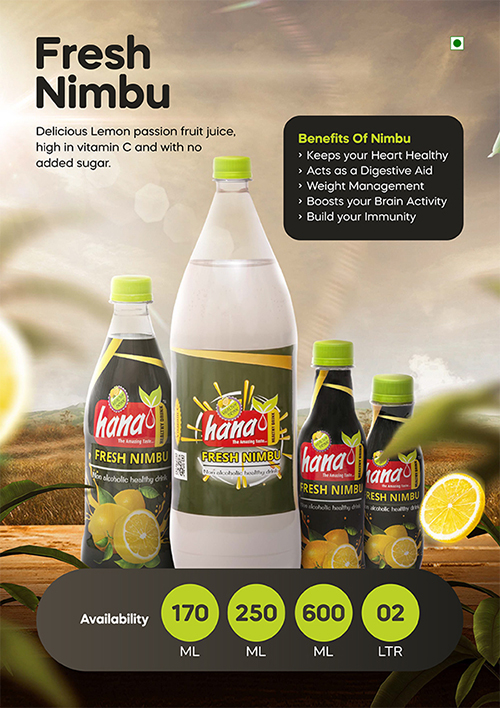
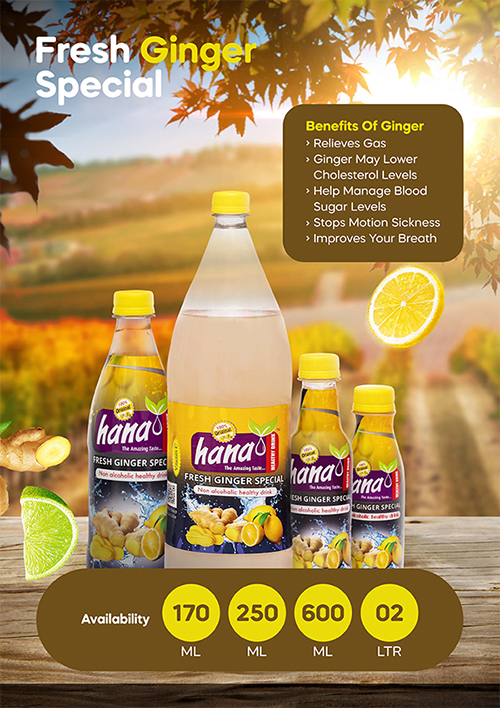
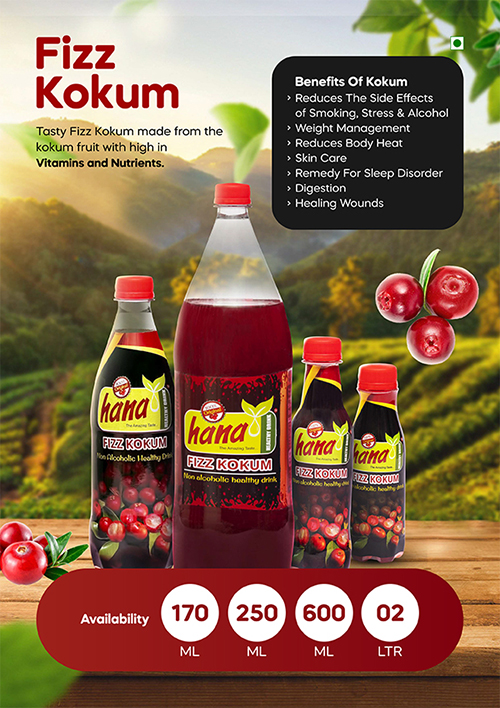
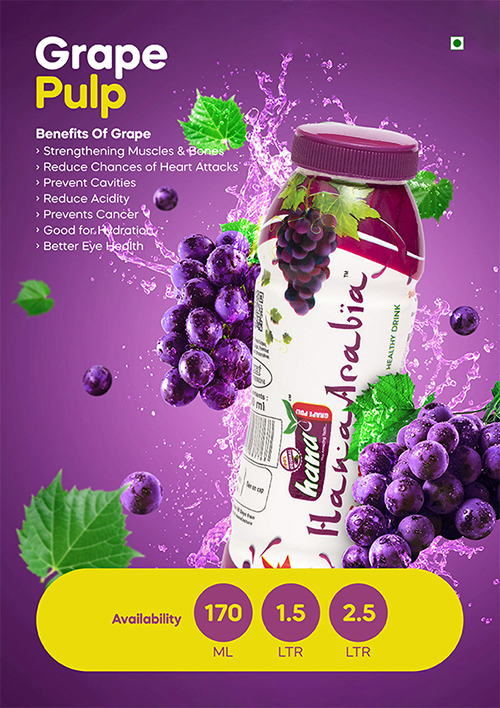
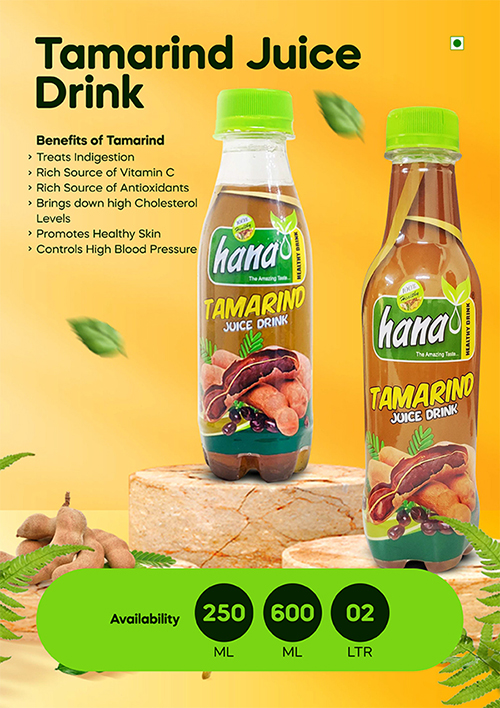
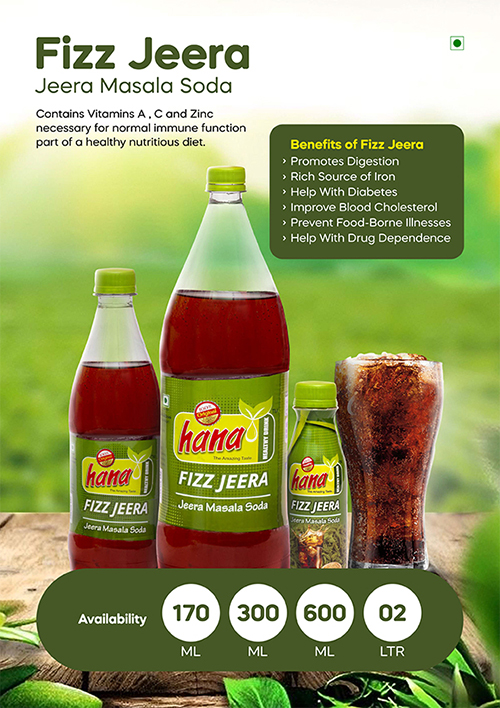
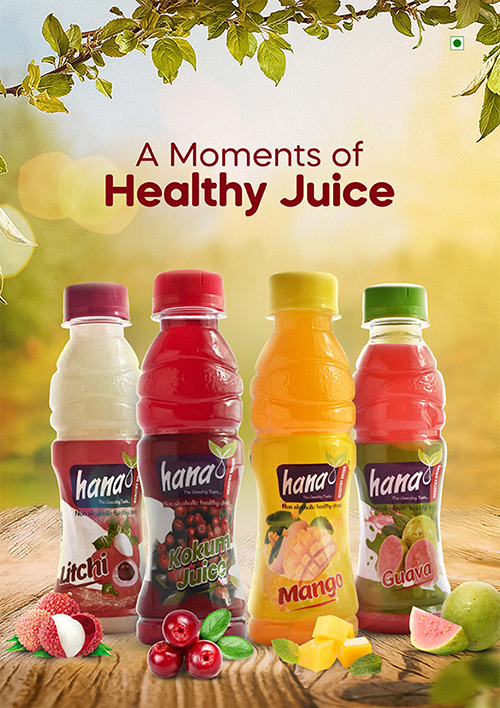
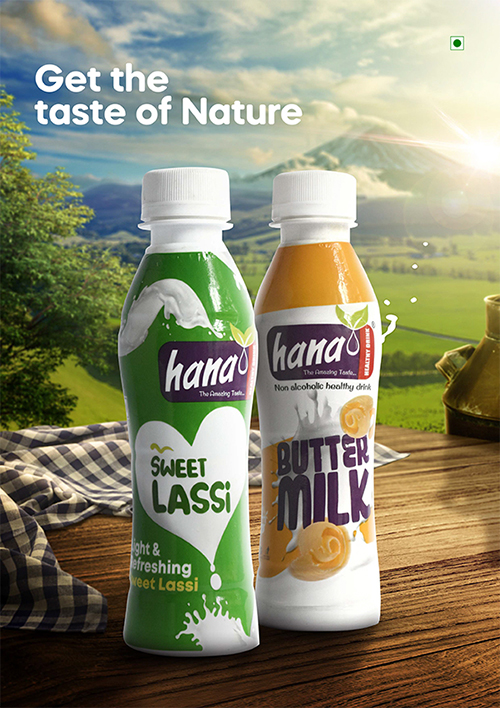
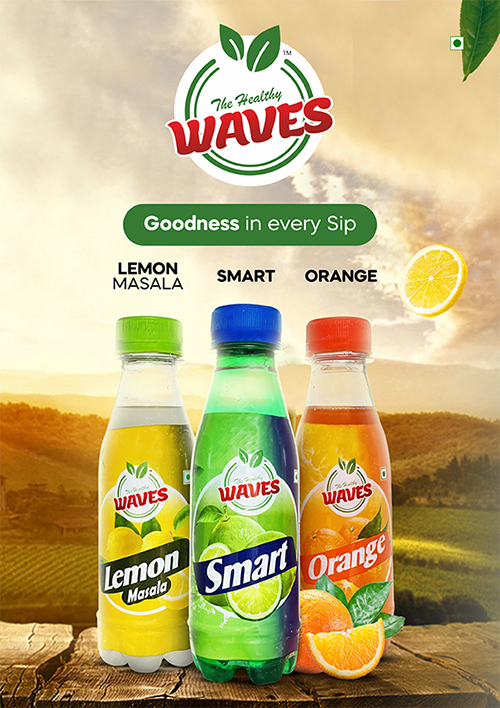
The 'Hana' brand offers a variety of popular drinks, including Ginger, Lemon, Kokum, Mint Lemon, Tamarind, Jeera, Grape, Litchi, Sweet Lassi, Fizz Jeera, Mango, Guava, and buttermilk, available in sizes ranging from 170ml to 2L. In total, more than 12 delightful flavors are offered under the 'Hana' brand.
The company takes pride in its farmer-friendly approach, procuring ingredients such as lemons, ginger, mint, and grapes directly from farmers. By eliminating middlemen, 'Hana' ensures fair practices and aims to empower farmers to become self-sufficient. The brand's commitment to promoting people's health is evident through the exclusive use of natural ingredients, avoiding artificial additives or intoxicants.
In February of this year, 'Hana' soft drinks received positive feedback at the prestigious "Gulf Food" fair for soft drinks held in Dubai, attended by representatives from leading companies across 155 countries. Encouraged by the response, several companies expressed interest in introducing 'Hana' products in markets worldwide and extended invitations to collaborate. Responding to these opportunities, 'Hana' has prioritized entering the Gulf countries' market and has already made significant strides in Saudi Arabia. The company plans to enter the Dubai market soon and aims to reach consumers across all Gulf markets in the coming two months.
The expansion of 'Hana' soft drinks to the Gulf countries signifies a significant milestone for 'Swadeshi Food and Beverages' and presents an opportunity to introduce their natural and refreshing beverages to a broader international audience.
Let the Truth be known. If you read VB and like VB, please be a VB Supporter and Help us deliver the Truth to one and all.
Trump says he ‘hasn’t even thought about’ continuing Iran ceasefire
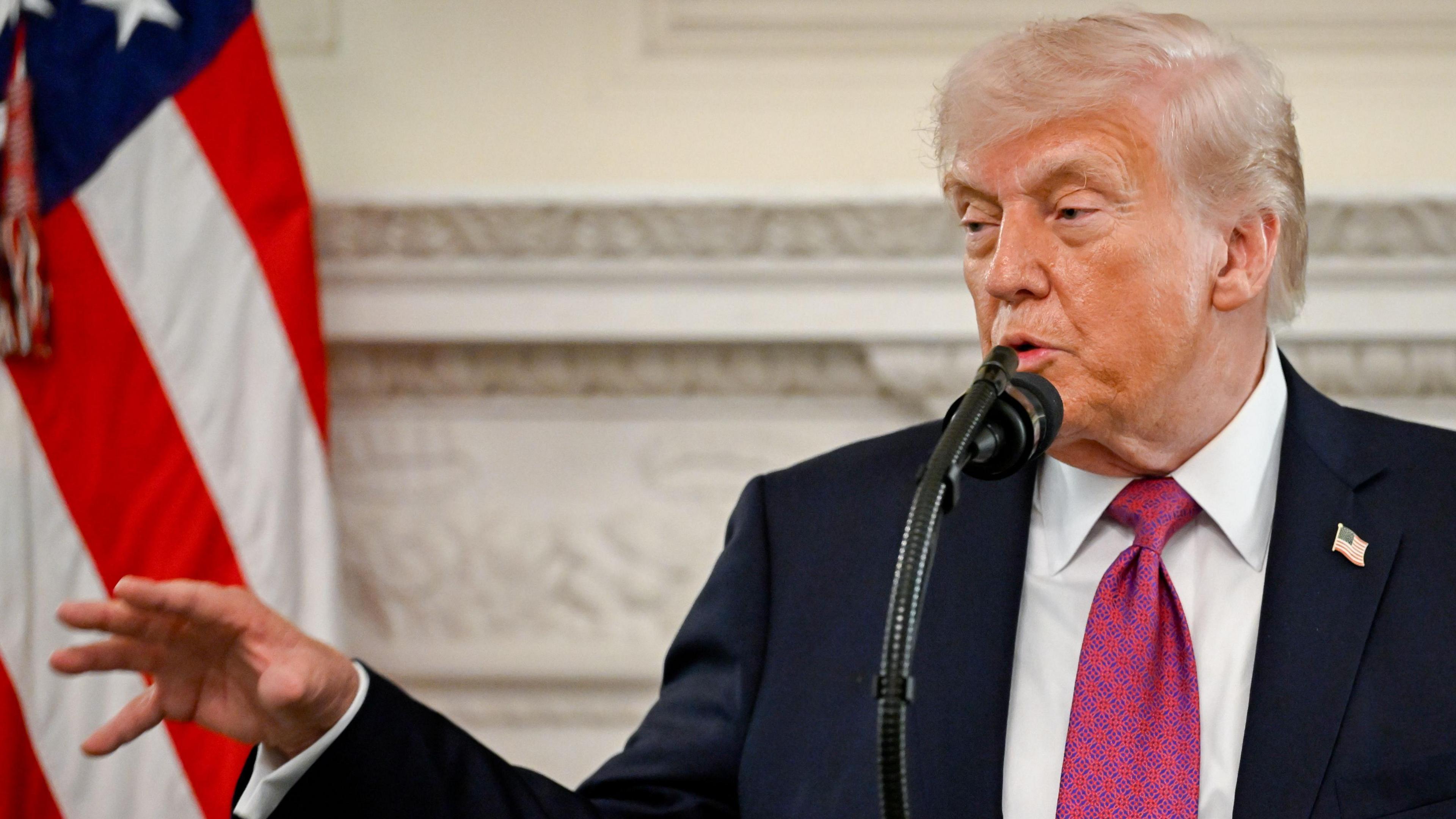
Washington: US President Donald Trump has said he has not yet considered whether he would continue the ceasefire involving Iran, while also claiming the United States holds the advantage in negotiations.
Speaking to reporters, Trump said he was prepared to make a deal with “whoever is running the show” in Iran.
“They are fighting with each other, there’s tremendous infighting. They’re probably fighting for leadership in many cases. I think they’re fighting not to be leader because we knocked out two levels of leaders,” he said.
Trump added, “When they want they can call me. We have all the cards, we’ve won everything.”
Referring to ongoing negotiations, he said, “They gave us a paper that should’ve been better. And, interestingly, immediately when I cancelled it [envoy trip to Pakistan], within 10 minutes we got a new paper that was much better.”
“We talked about they will not have a nuclear weapon, very simple … They offered a lot, but not enough,” he added.
When asked whether he would continue the ceasefire, Trump replied, “I haven’t even thought about it.”
The remarks come as uncertainty remains over the future of the temporary truce and broader negotiations between Washington and Tehran.