Kodagu: Amid heavy rains, district administration imposes ban venturing into rivers, waterfalls
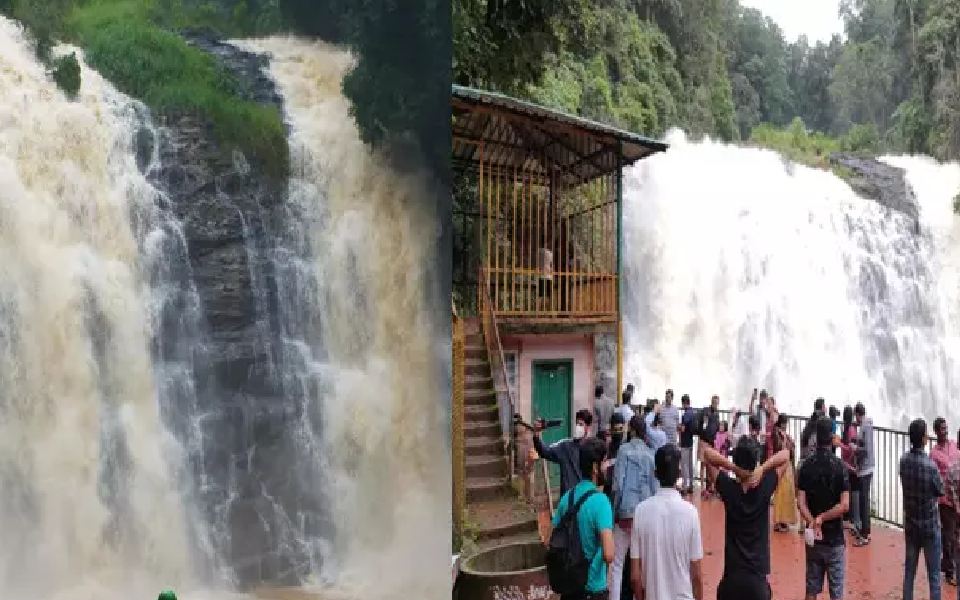
Madikeri: The district administration has imposed a ban on venturing into rivers, waterfalls and going near other water bodies in the midst of intensified rains.
Deputy Commissioner Venkat Raja has issued a precautionary order to prevent the public and tourists from entering water bodies, including waterfalls, streams, rivers, public lakes, dams, and reservoirs, due to the heavy rains across Kodagu district.
Meanwhile, heavy rains are affecting various parts of Kodagu district, causing trees and branches to uproot and fall, and several areas are witnessing persistent power outages.
A huge tree fell near Devarakolli on the Madikeri-Sampaje National Highway, obstructing vehicular traffic. Another tree fell across the highway near Kutta on the Kodagu-Kerala border. The Forest Department, Chamundeshwari Electricity Supply Company officials, and local bodies are carrying out operations to clear fallen trees and repair disrupted electricity supply.
ALSO READ: Vijayapura: Bodies of two men fished out of River Krishna, four still missing
This comes in the wake of increasing incidents of accidental deaths of tourists in rivers and waterfalls in recent times.
In the meantime, The water level at the Harangi Reservoir on July 3 stood at 2,842.27 feet, the maximum limit of the reservoir is 2,859 feet. Rainfall at the Harangi Reservoir was recorded at 1.20 mm today, compared to 4.80 mm on the same day last year. Water inflow today was 1,649 cusecs and outflow was 200 cusecs, compared to 30 cusecs on the same day last year.
Let the Truth be known. If you read VB and like VB, please be a VB Supporter and Help us deliver the Truth to one and all.
J&K: One dead, seven hospitalised after consuming wild vegetable in Rajouri
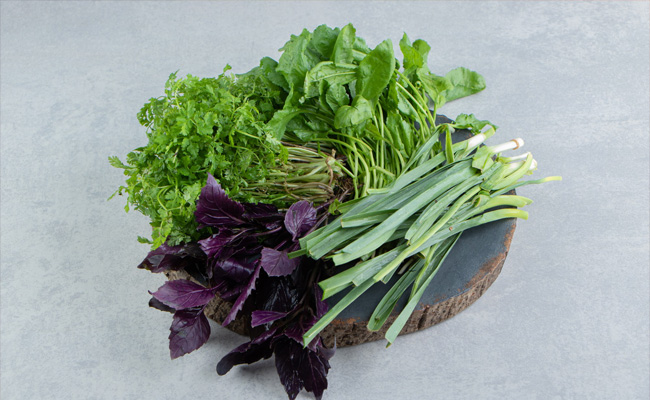
Rajouri/Jammu (PTI): One person died while seven others, mostly children, were hospitalised after allegedly consuming a wild vegetable in Jammu and Kashmir’s Rajouri district, officials said on Saturday.
The incident was reported from Mohra village in the Kotranka subdivision, where members of two families consumed a wild vegetable following which they started showing symptoms of food poisoning on Friday evening, they said.
The affected persons were initially shifted to the Community Health Centre in Kandi and later referred to the Government Medical College Hospital Rajouri for specialised treatment.
Officials said an elderly man, identified as Mohammad Hussain (60), died during treatment, while seven other members of the two families are undergoing treatment at the hospital.
“Prima facie, it is a case of food poisoning, but the matter is still under investigation,” a doctor said.
Officials said an investigation into the incident has been initiated to determine the exact cause of the poisoning.