Kolar: Nursing College under scanner after 32 Kerala students test positive for COVID-19
Kolar: A Nursing college in the Kolar district has come under the scanner of the government following an outbreak of COVID-19. According to the reports at least 32 students in the college have tested positive for the deadly virus.
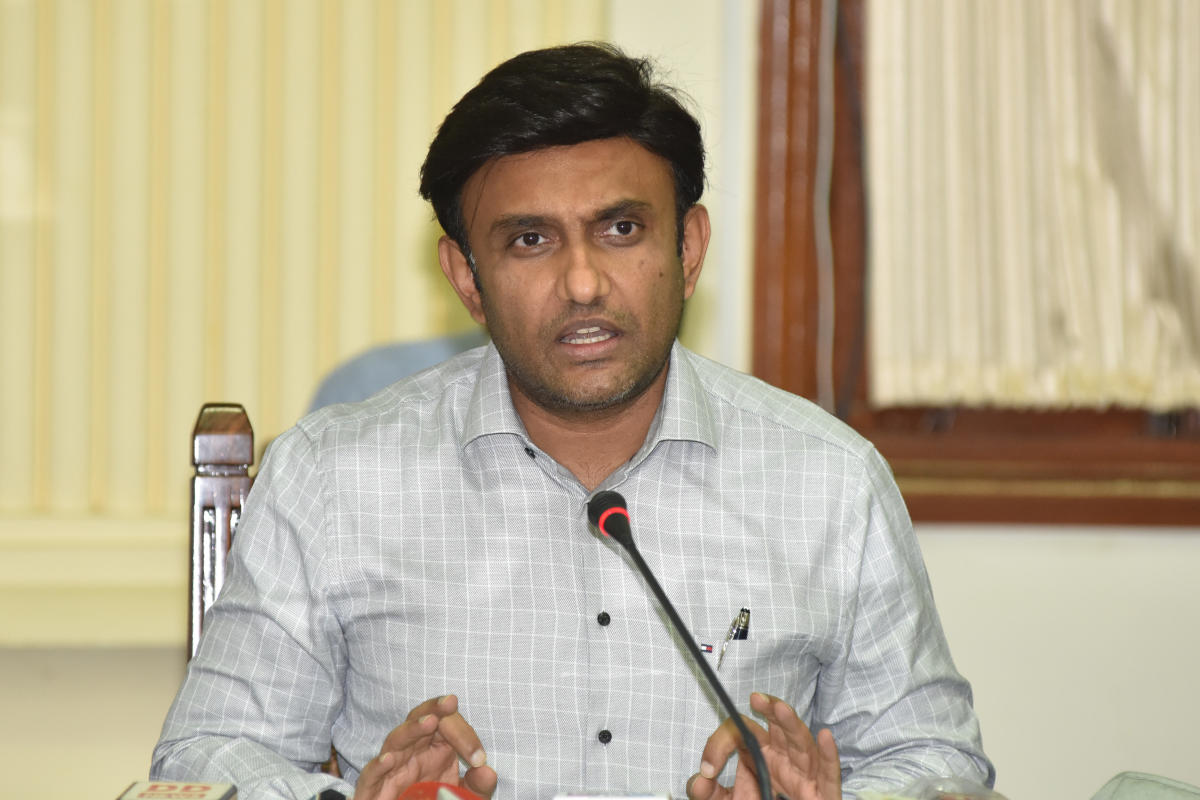
Karnataka Health Minister has also taken note of the incident and has stated that he will visit the college and will initiate action against the college management.
“32 students are infected with COVID-19 at a college in Kolar Gold Fields (KGF). All of them are Kerala returnees. I will visit the college and take action against the college management. Covid has been brought under control to 700-800 cases per day from as high as 50,000 cases per day. The government has worked hard to mitigate the pandemic,” the minister was quoted as saying by Deccan Herald.
A large number of people from Kerala travel to border districts of Dakshina Kannada and Udupi every day for various reasons including work, educational purposes, and to avail medical facilities here.
According to the Deccan Herald, the health minister reportedly said, he would discuss the issue with the chief minister and further added that people entering border districts need to be under surveillance to keep the infection from spreading any further. He said they would also release guidelines for mandatory institutional quarantine for those traveling by trains and flights.
He also stressed that the schools must mandatorily follow all the COVID-19 guidelines and in case the number of cases rises above 2%, the school has to be shut down.
Let the Truth be known. If you read VB and like VB, please be a VB Supporter and Help us deliver the Truth to one and all.
Allahabad HC orders probe into 'reinstatement' of teacher in UP's Barabanki
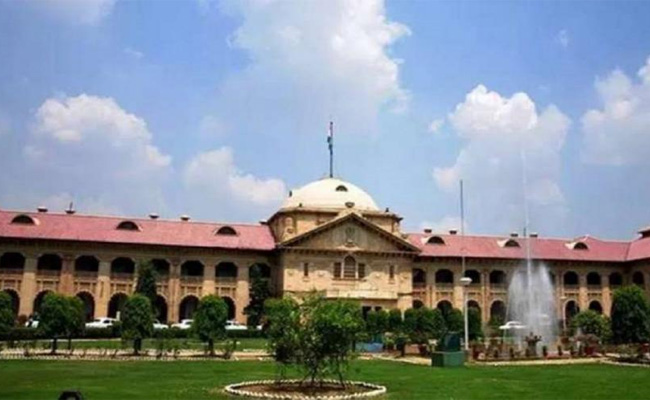
Lucknow (PTI): The Lucknow Bench of the Allahabad High Court on Friday ordered a probe by the special task force (STF) into alleged irregularities in the rejoining of a teacher at City Intermediate College in Barabanki, observing that the reinstatement appeared to be prima facie illegal.
The court also directed the recovery of the salary paid to the teacher during the disputed period.
A bench of Justice Rajeev Singh passed the order on a petition filed by the college management committee. The court expressed doubts over the roles of the District Inspector of Schools (DIOS), Barabanki, the college principal and the teacher concerned and hence, directed a detailed inquiry into the matter.
Taking note of alleged manipulation of records and misleading submissions, the court ordered the immediate transfer of the Barabanki DIOS to ensure a fair probe. It also directed the initiation of disciplinary proceedings against the then joint director of education of the Ayodhya division.
In its order, the court found that the teacher, Abhay Kumar, was initially appointed as an assistant teacher in 2018 but joined an Eklavya Model Residential School in Chhattisgarh as a lecturer in June 2024 without obtaining permission from the management. His subsequent request to retain the lien was rejected.
Despite this, he was allowed to rejoin the Barabanki College in September 2025 on the directions of the joint director of education and the DIOS, and was even paid the salary for October 2025. The court termed the rejoining "wholly illegal" and lacking any legal basis.
The bench also expressed concern over lapses in communication within the education department and directed the Uttar Pradesh chief secretary to ensure that official orders are communicated through email and WhatsApp as well, to prevent disputes.
The matter is next listed for hearing on May 28 when a compliance report is sought.