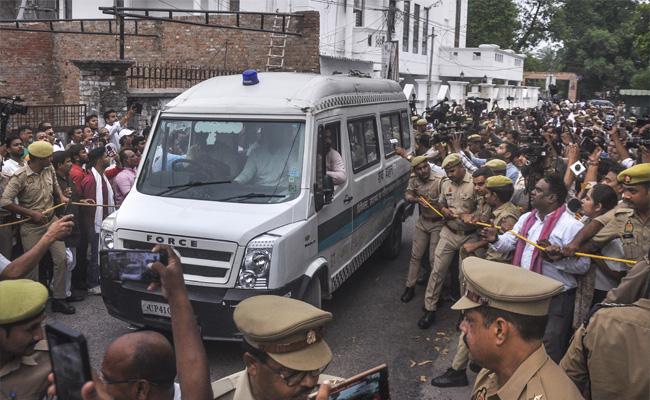
Koppal: Woman, lover arrested for husband’s murder in Boodagumpa village
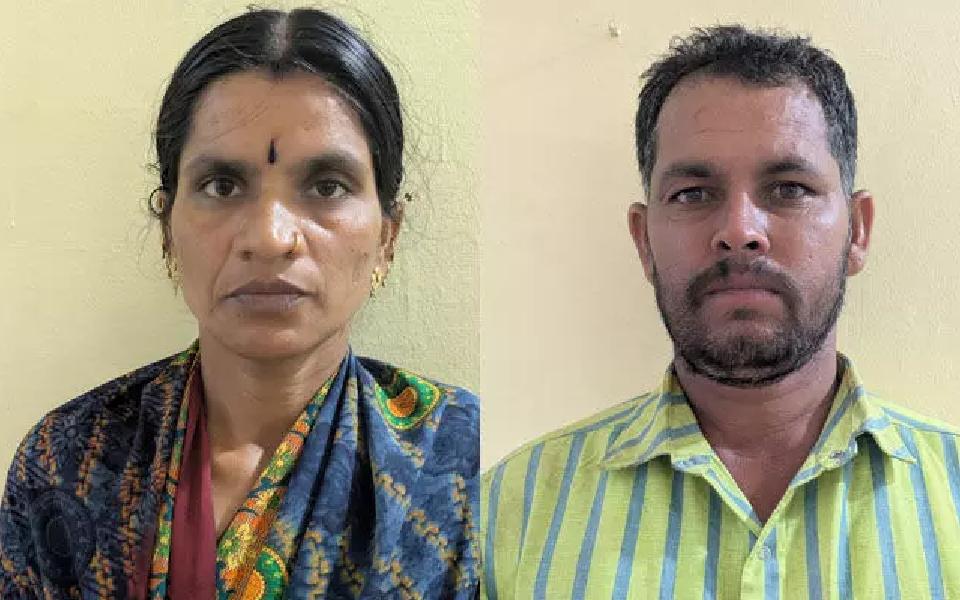
Koppal: In a shocking incident reported from Boodagumpa village in Koppal taluk, police have arrested two individuals, Netravati (31) and her alleged lover Somappa (35), in connection with the murder of Netrawati’s husband, Dyamanna Vajrabandi (36). The incident came to light after the charred body of a man was found earlier this week.
Addressing a press conference on Friday, Koppal Superintendent of Police Dr. Ram L. Arasiddi stated that the murder was a result of an extramarital affair between the accused. Investigation into the case, originally registered at the Munirabad Police Station under Koppal rural sub-division, revealed that the victim was Dyamanna, a resident of Boodagumpa.
Victim Dyamanna
According to police, the couple had previously attempted to kill Dyamanna 3-4 days before the actual murder. On the day of the crime, they lured him to an agricultural field and killed him by hitting his head with an iron rod. The body was then transported about 5-6 km away on a bike, doused in petrol, and set ablaze in an attempt to destroy evidence.
SP Arasiddi confirmed that CCTV footage capturing the purchase of the rod and petrol has been recovered. Police have also seized the bike and tools used in the crime. The accused have been remanded to judicial custody.
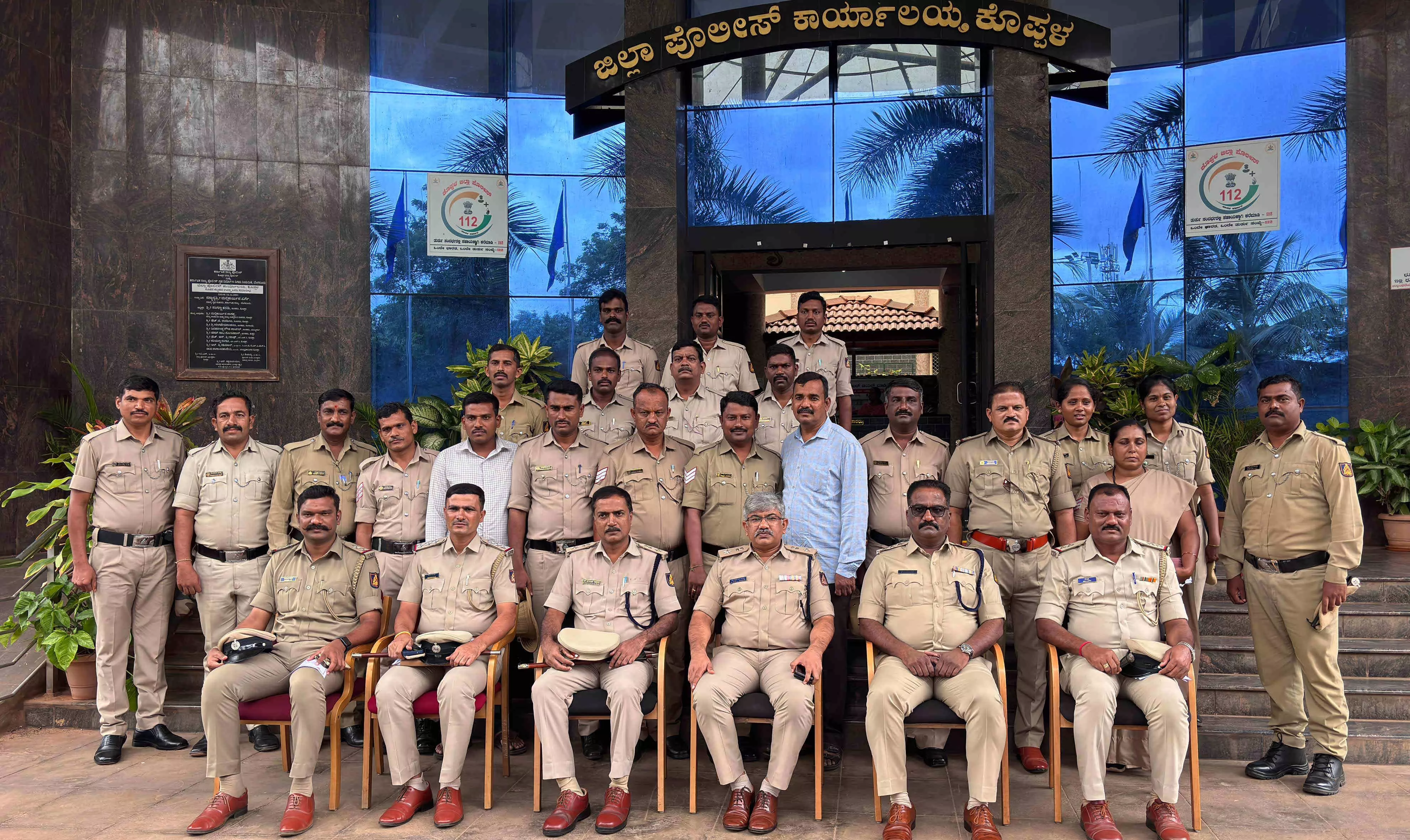
Additional SP Hemant Kumar, DSP Muttanna Sarvagol, and Koppal rural circle inspector D. Suresh were present during the press briefing.
Let the Truth be known. If you read VB and like VB, please be a VB Supporter and Help us deliver the Truth to one and all.
Congress using hijab issue to pacify minority anger, alleges Karnataka LoP R Ashoka
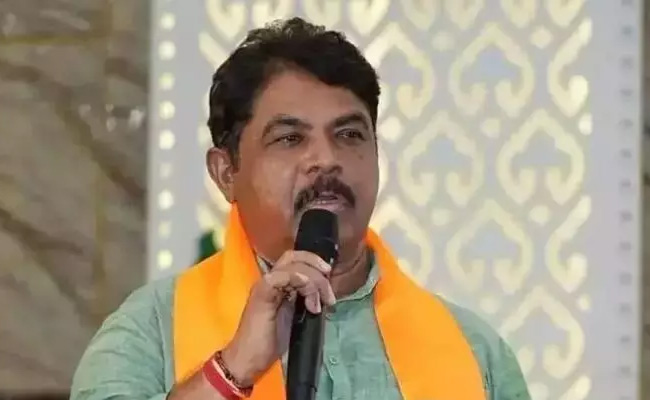
Bengaluru: Leader of Opposition in the Assembly R. Ashoka has accused the Congress government of using the hijab issue to placate what he described as discontent among minority voters after the Davanagere by-election.
In a post on X on Wednesday, Ashoka alleged that the state government, instead of addressing issues such as price rise, corruption, farmers’ distress and law and order, was attempting to retain its minority vote base by reviving the hijab issue.
Referring to the 2022 dress code introduced by the BJP government, which prohibited hijab in schools and colleges, Ashoka said the Karnataka High Court had upheld the policy and emphasised the importance of discipline in educational institutions.
He questioned the Congress government’s move to revisit the issue and asked whether setting aside the court-backed policy to benefit one community could be described as secularism.
Ashoka further alleged that while the government was willing to permit hijab, it continued to prohibit saffron shawls.
He accused the government of dividing students on religious lines rather than treating schools and colleges as spaces of equality.
Drawing a comparison with Mamata Banerjee’s government in West Bengal, Ashoka claimed that excessive appeasement politics had harmed the state and warned that the Congress in Karnataka could face a similar political response.
He said voters in Karnataka would teach the Congress a lesson for what he termed “vote-bank politics” and for compromising constitutional and judicial principles.