KRS slams state government for delaying appointments to Karnataka Information Commission vacancies
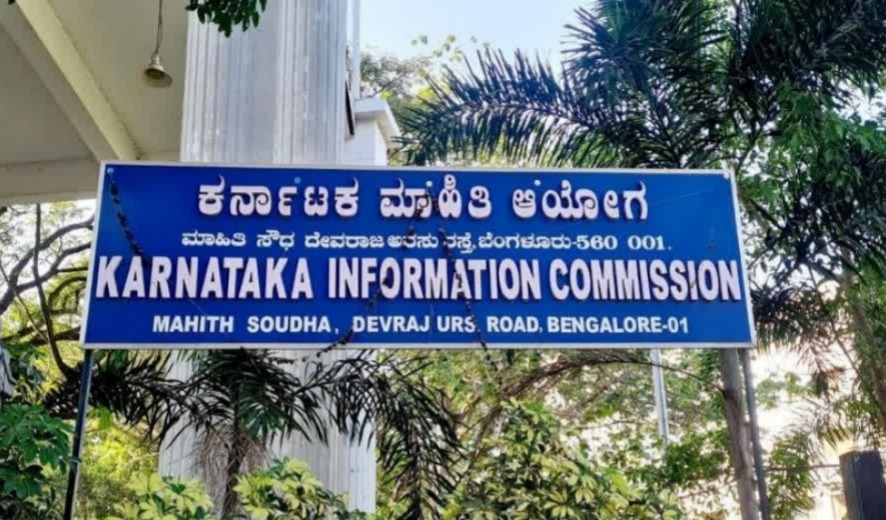
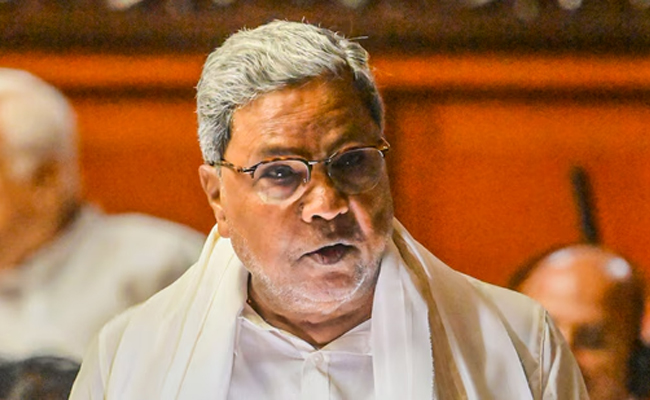
Bengaluru: The Karnataka Rashtra Samithi (KRS) has slammed Chief Minister Siddaramaiah for delaying the appointment of commissioners to the Karnataka Information Commission (KIC), arguing that the move undermines the effectiveness of the Right to Information (RTI) Act.
In a letter, as cited by Deccan Herald on Monday, the KRS expressed concerns over the government’s inaction. They argued that the failure to fill these vacancies has disrupted the functioning of the KIC.
The KRS also pointed out that several government departments and agencies are refusing to provide information to the public, worsening the issue.
"The Supreme Court, during a hearing on January 7, raised serious objections to the delay and sought a report from the chief secretary. Despite this, the government has not taken steps to make the appointments,” Manjunath S. of the KRS was quoted as saying by DH.
Manjunath slammed the government for favouring candidates with bureaucratic backgrounds for these positions. He mentioned that out of the 11 commissioner posts, eight have been vacant for a long time, and the terms of the remaining three commissioners will end on April 18.
The KRS further highlighted the poor state of the RTI system in Karnataka. Manjunath claimed that many information officers and first appellate authorities lack knowledge of the RTI Act and often mislead applicants. “At the KIC, more than 50,000 complaints are pending, and applicants are forced to wait six months to a year just to have their applications heard. In some cases, it takes two to three years to obtain the requested information,” he said.
The Karnataka Rashtra Samithi called on the government to appoint qualified individuals who understand the RTI Act, requesting for urgent action to restore the KIC's effectiveness and ensure transparency in governance.
Let the Truth be known. If you read VB and like VB, please be a VB Supporter and Help us deliver the Truth to one and all.
Injured Phil Salt returns home for scans

New Delhi (PTI): Royal Challengers Bengaluru opener Phil Salt has returned to England for scans on a finger injury sustained last month.
The injury has kept Salt out of RCB's last three matches, with compatriot Jacob Bethell stepping in at the top of the order.
The 29-year-old is reported to have "damaged a finger on his left hand" while diving to save a boundary at deep backward square leg during RCB's defeat to Delhi Capitals at the M. Chinnaswamy Stadium on April 18.
"Salt, who is centrally contracted by the ECB, has since returned home at the request of England's management and has undergone scans on his finger," ESPNCricinfo reported.
According to the report, both RCB and Salt are hopeful of a speedy recovery and the opener can return to India later this month.
Salt had enjoyed a strong start to the season, amassing 202 runs in six innings at an impressive strike rate of 168.33.
RCB are currently second on the points table behind Punjab Kings. They take on Lucknow Super Giants (LSG) on Thursday next.