KSEAB permits visually impaired students to write SSLC, II PUC exams on computers

Bengaluru: The Karnataka School Examination and Assessment Board (KSEAB) has decided to allow visually impaired students appearing for SSLC and II PUC examinations to write their papers using computers from the current academic year.
The decision follows repeated requests from students and parents seeking an alternative to the reader-cum-scribe-only model. Calling it a significant shift in examination access for students with visual disabilities KSEAB Director Gopalakrishna H.N. said eligible students who wish to opt for the digital mode will have to register separately, after which the board will make arrangements based on the number of such candidates.
While the reader-cum-scribe facility will continue to be available, the computer option will be restricted strictly to typing answers. Students will be required to bring their own laptops or computers, which must be formatted and cleared after inspection by the centre’s computer teacher. The devices will not be permitted any internet connectivity to ensure the integrity of the examination process.
The board has specified that only approved software such as Windows 10 or 11, MS Office, Multilingual Nudi 6.5, Mathcad, and other software cleared by the National Association for the Blind may be installed on the devices. Permission for using a computer will be granted only on the recommendation of a competent medical authority.
During the examination, the reader-cum-scribe will read out the questions, while the student types the answers. In the event of a technical failure, the scribe may write the responses dictated by the student, with the examination superintendent authorised to allow additional time if required.
Once the examination is completed, students must submit a printed copy of their typed answers. The KSEAB has instructed centre superintendents to ensure the availability of printers at examination centres for this purpose.
Let the Truth be known. If you read VB and like VB, please be a VB Supporter and Help us deliver the Truth to one and all.
Minister Dinesh Gundu Rao condemns removal of sacred thread during CET
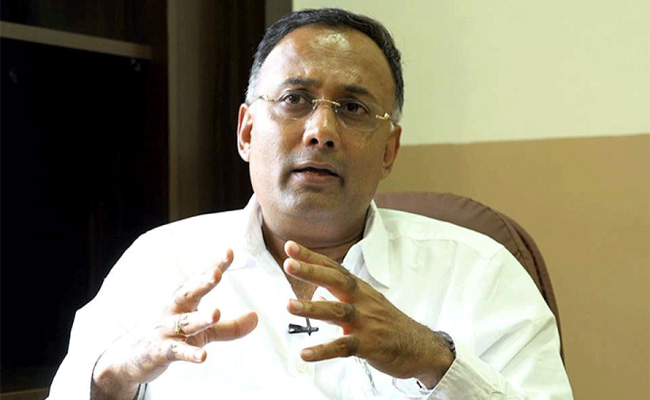
Bengaluru (PTI): The controversy over the alleged removal of sacred threads and other religious symbols during the KCET examination intensified on Saturday, with Karnataka Health Minister Dinesh Gundu Rao condemning the act as "inhuman" and the Vishwa Hindu Parishad demanding strict action, calling it a violation of religious rights.
Reacting to the incident at Krupanidhi College in Madivala, the Minister said the government had taken note of the matter and assured transparent action, even as police have registered a case and initiated an investigation.
“The inhuman act of asking students to remove their ear studs, bangles, hijab or sacred thread, and even cutting long sleeves with scissors thereby affecting their morale is unacceptable and condemnable,” Rao said in a post 'X'.
He asserted that examination centres must test students’ knowledge and not undermine their dignity, adding that the government would take stringent steps to prevent recurrence.
The Minister also urged affected students not to lose confidence, saying the government stood firmly with them.
Meanwhile, the Vishwa Hindu Parishad, Karnataka South, strongly condemned the incident, alleging that it had hurt the religious rights and self-respect of the Hindu community.
“The incident of students removing and cutting off their Janivaras during the CET examination has violated the religious rights, culture and self-respect of the Hindu community,” the organisation said in a press note.
Calling the sacred thread a symbol of religious heritage and dignity, it said, “Society will not tolerate any act that insults it,” and demanded a thorough probe and stringent action against those responsible.
It also pointed out that similar incidents had been reported in the state last year, terming the recurrence “unfortunate and condemnable.”
The organisation further alleged that such incidents were damaging the well-being of society and claimed that some schools and colleges are promoting hatred against the Hindu society.
The row erupted after students alleged that invigilators at the examination centre asked them to remove religious symbols, including the sacred thread, during the Common Entrance Test (CET).
Following the incident, an invigilator was suspended and police 'secured' three staff members for questioning.
The CET is conducted for admission to professional courses across the state.