KSRTC provides special weekend tour of religious centres in Kolar district
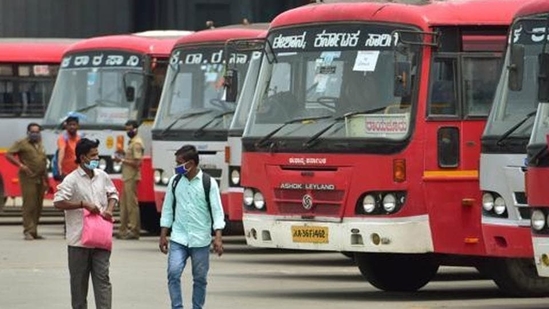
Bengaluru: The Karnataka State Road Transport Corporation (KSRTC) has announced a special 270-km weekend tour package starting Saturday, June 28, for a visit of prominent religious centres between Bengaluru and Kolar.
In a press note released recently, the Divisional Controller of the KSRTC has said that the tour, undertaken on the ‘Ashwamedha classic’ will start at Bengaluru at 6:30 am. The return journey will commence at Kolar at 7 pm and the passengers will reach Bengaluru at 8:30 pm.
The travelers will have breakfast and visit the Prasanna Venkateshwara Swamy Temple in Chikka Tirupathi between 8 am and 9:30 am. The next stops will be the famous Kotilingeshwara Temple in Bangarpet (10:30 am to 12:30 pm), Lakshmi Venkateshwara Temple in Bangaru Tirupathi and lunch (1 pm to 2:30 pm), Ramalingeshwara Temple in Avani (3 pm to 3:30 pm), Veeranjaneyaswamy Temple in Mulbagal (4:05 pm to 4:30 pm), Ganesh Temple in Kurudumale (4:55 pm to 5:30 pm), Kolaramma and Someshwara temples in Kolar (6:15 pm to 7 pm).
The officer, however, has clarified that the trip does not include the entrance fee, breakfast, lunch or dinner expenses of travelers.
The fares are Rs 600 for adults and Rs 450 for children aged between 6 and 12 years.
The Corporation has asked travelers to check its website www.ksrtc.in or contact on phone numbers 080-26252625/7760990100/7760990560/7760990287 for more information regarding the package.
Let the Truth be known. If you read VB and like VB, please be a VB Supporter and Help us deliver the Truth to one and all.
NEET student hangs self in Rajasthan's Sikar
Jaipur (PTI): A student preparing for the NEET examination allegedly committed suicide by hanging himself in a rented room in Rajasthan's Sikar on Friday, police said.
According to the police, the student allegedly hanged himself from a ceiling fan using his sister's scarf while one sister was attending coaching classes and the other was in the bathroom.
He had appeared in the NEET UG exam 2026, which was cancelled due to paper leak, they said.
Udyog Nagar SHO Rajesh Kumar said that the deceased, identified as Pradeep Meghwal, was a resident of Kanika ki Dhani village in Jhunjhunu's Gudha Gaudji area.
He had been living in a rented room in Sikar's Jaldhari Nagar area with his two sisters while preparing for NEET over the last three years.
His elder sister later found him hanging and informed the landlord and police after bringing him down, officials said.
The SHO said the body was kept at SK Hospital mortuary, and a postmortem had not been conducted.
The student's father, Rajesh Kumar Meghwal, told police that Pradeep's NEET examination had gone well and the family was expecting him to score around 650 marks.
Former Rajasthan deputy chief minister Sachin Pilot expressed grief over the incident and linked it to anxiety among students after reports of irregularities and paper leaks in NEET 2026.
Pilot said repeated paper leak incidents and cancellation of examinations were affecting students' mental health and demanded a time-bound investigation and strict action against those responsible.