K’taka bans government doctors from treating inpatients in private hospitals, Gundurao confirms
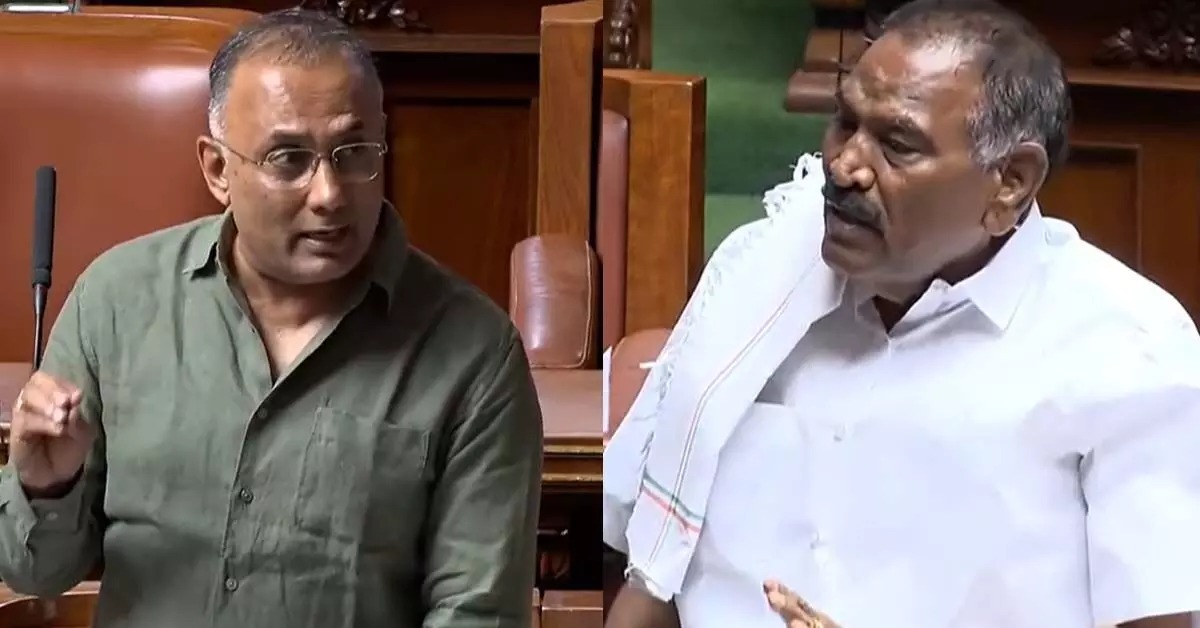
Bengaluru: Health Minister Dinesh Gundu Rao has said that the state government has taken steps to ensure uninterrupted medical services in government hospitals, including arrangements to provide round-the-clock healthcare at taluk hospitals through better deployment of doctors.
Replying to a question raised by MLA Shivalingegowda in the Legislative Assembly on disruptions in doctors’ services at government hospitals and the inconvenience caused to the public, the minister said the Health Department is working to address gaps in service delivery.
Clarifying the rules on private practice by government doctors, Gundu Rao said that under existing government orders, doctors working in government hospitals are permitted to offer private services after duty hours, provided it does not affect their official responsibilities.
However, he announced that going forward, government doctors will be allowed to provide private services only for outpatients (OPD). Treating inpatients (IPD) in private hospitals will no longer be permitted.
Explaining the rationale behind the decision, the minister said inpatient care requires continuous monitoring and regular medical attention. If government doctors engage in inpatient treatment at private hospitals, it can disrupt services in government hospitals and adversely affect patient care. He pointed out that there have been instances of negligence in government hospitals, in some cases even leading to deaths, as highlighted by the Lokayukta and senior officials.
He also referred to the Karnataka Administrative Reforms Commission, which has recommended stricter regulation of private practice by government doctors to ensure priority is given to public service. Similar restrictions are already in place in states like Kerala, where government doctors are allowed private practice only in OPD services under strict conditions.
In view of these factors, the Health and Family Welfare Department has issued the order along with earlier guidelines to regulate private practice by government doctors. The minister made it clear that government doctors are now strictly prohibited from treating inpatients in private hospitals. They may work only in OPD services at private clinics or hospitals after duty hours, without affecting government responsibilities, and must declare full details of such practice to the government.
Any violation of these conditions will invite legal action and disciplinary proceedings under the Karnataka Civil Services Rules, Gundu Rao warned.
Let the Truth be known. If you read VB and like VB, please be a VB Supporter and Help us deliver the Truth to one and all.
Renowned Indian photographer Raghu Rai passes away at 83
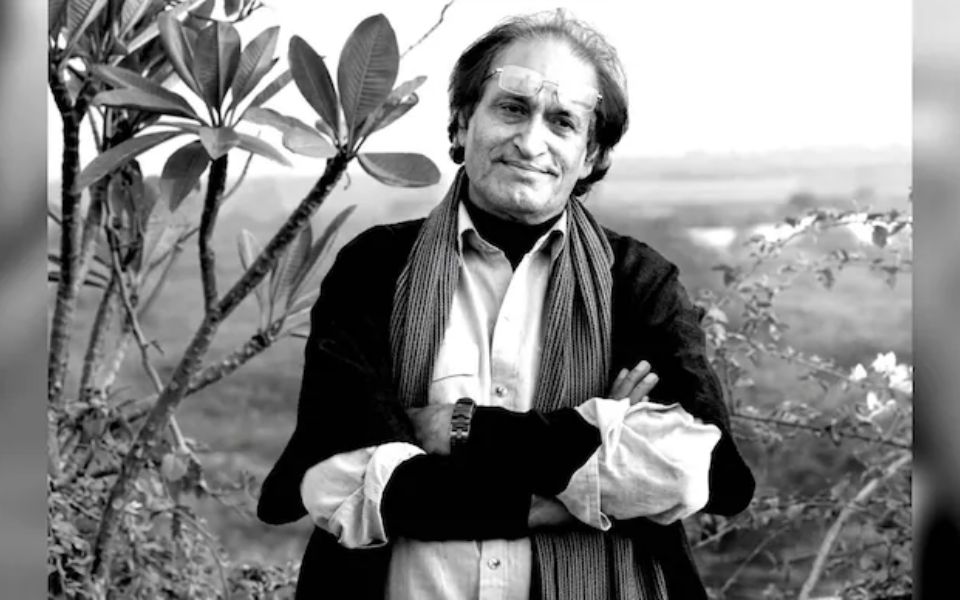
New Delhi (PTI): Raghu Rai, one of India's best known photographers whose lens captured India in its many shades, died at a private hospital here in the early hours of Sunday. He was 83.
“Dad was diagnosed with prostate cancer two years ago but he was cured. Then it spread to the stomach, that too was cured. Recently the cancer spread to his brain and then there were age related issues too,” Nitin Rai, photographer and Rai’s son, told PTI.
He is survived by wife Gurmeet, son Nitin and daughters Lagan, Avani and Purvai.
The last rites will be performed at Lodhi Crematorium at 4pm on Sunday.