K'taka govt mulls special health screening for auto, cab drivers amid rise in heart attack cases
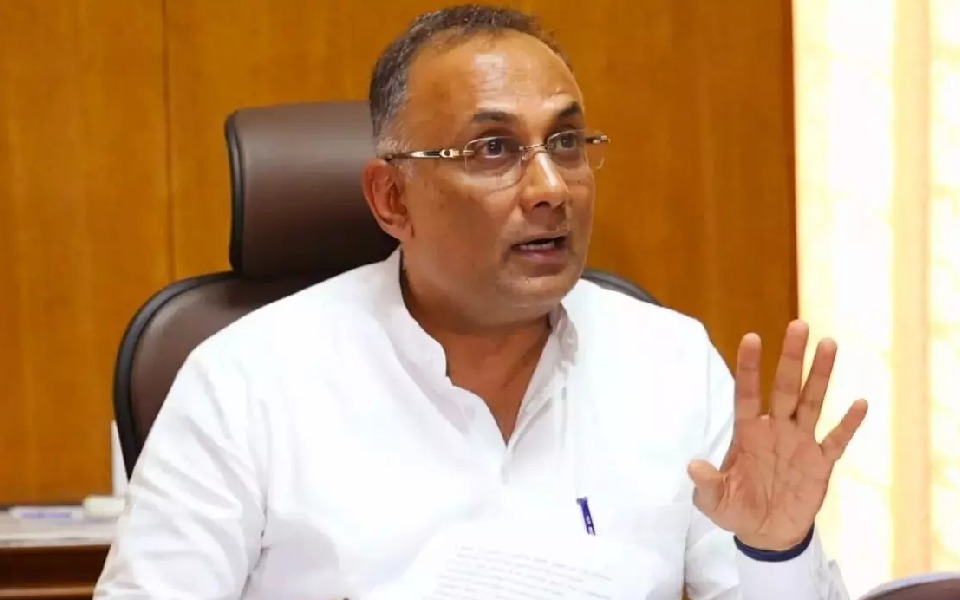
Bengaluru, Aug 14 (PTI): Karnataka Health Minister Dinesh Gundu Rao on Thursday said the state government is mulling a separate health screening programme for autorickshaw and cab drivers amid reports of a rise in heart attack cases among this group.
The Minister was replying to a question raised in the assembly during Question Hour.
He stressed the need to improve the state's health screening system and said the Health department would take action in the days to come.
Citing data from Sri Jayadeva Institute of Cardiovascular Sciences and Research, which revealed that last year about 20-30 percent of heart attack cases were auto and cab drivers, the Minister said, "it is due to pollution, lack of sleep, dining outside, stress, they may also have BP and diabetes and don't take medicines, also they may have comorbidities, it is everything combined."
The government is currently in discussion with unions of auto and cab drivers for a separate screening for them.
Rao further said the government is considering conducting an initial cardiovascular screening for school children. "... School children have mental stress, they will have mental counselling. We are discussing if any initial screening (for cardiovascular health) can be done under it."
Senior BJP MLA Suresh Kumar suggested that the government conduct a massive CPR (Cardiopulmonary resuscitation) training campaign across the state.
Let the Truth be known. If you read VB and like VB, please be a VB Supporter and Help us deliver the Truth to one and all.
Real Madrid fines Valverde and Tchouaméni half a million euros each for altercation
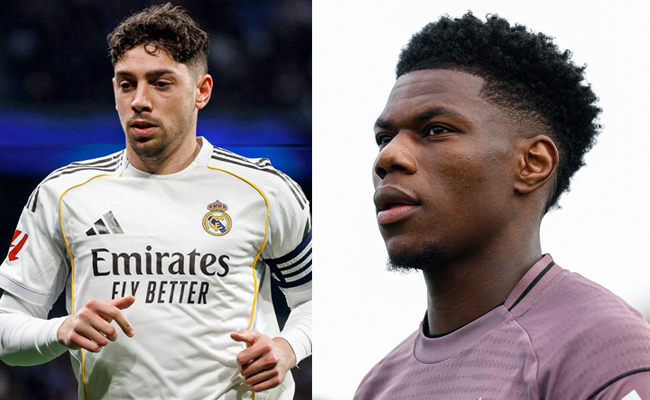
Barcelona (AP): Real Madrid slapped players Federico Valverde and Aurélien Tchouaméni with half-a-million-euro ($588,000) fines on Friday for their altercation during practice.
The massive fines came a day after the midfielders tussled when the team trained. Valverde said in a post on social media on Thursday that no punches were thrown. But Valverde knocked his head on a table and he suffered a small cut that required a brief hospital visit.
On social media, Valverde initially called it a “meaningless fight” with a teammate and said “everything has been blown out of proportion."
His employers, however, considered it a significant enough breach of team discipline to nail both Valverde and Tchouaméni with fines that bite even the bank account of a top soccer player. The half-a-million euro penalties reflect the reputational damage the club was enduring in a chaotic end to a disappointing season.
In a statement, the 15-time European champion said its disciplinary action was concluded after both players expressed to the club “their complete remorse for what happened and apologized to one another.”
Madrid added they also apologized to their teammates, the coaching staff and club supporters, as well as showing their willingness to accept whatever disciplinary action the club deemed “opportune.”
Tchouaméni was back training with Madrid on Friday, two days before they play at Barcelona in a clasico. Madrid has to win otherwise Barcelona will be crowned La Liga champion.
After being notified of the fine, he posted a public apology to the club and its fans on social media.
“What happened this week in training is unacceptable,” Tchouaméni wrote. "I say this while thinking about the example we are expected to set for young people, whether in football or at school.
“Above all, I am sorry for the image we projected of the club.”
Valverde was not at practice due to the head knock.
Both players are set to play in the World Cup next month, with Tchouaméni playing for France and Valverde for Uruguay.
Chaotic end to a poor season
===================
The run-in between the players, who for seasons have played side by side in Madrid's midfield, came after they argued this week in previous training sessions. But tempers boiled over on Thursday. Spanish media was rife with reports that the players previously disagreed over the club's decision to let coach Xabi Alonso go after just months on the job.
It was not the only altercation involving Madrid players during training this week. Álvaro Carreras confirmed he was in a “minor” incident with a teammate. Spanish media said he and fellow defender Antonio Rüdiger got into a scuffle.
Álvaro Arbeloa, the coach who was promoted from Madrid's reserve team when Alonso was fired in January, will face tough questions on what went wrong inside the changing room when he gives a press conference on Saturday ahead of the clasico at Camp Nou.
Madrid is facing a second consecutive campaign without a major trophy amid rumors in the Spanish media that club president Florentino Pérez is considering bringing back Jose Mourinho to straighten out his underperforming team.