K'taka Medical Education Minister directs officials to seal nursing colleges with no amenities
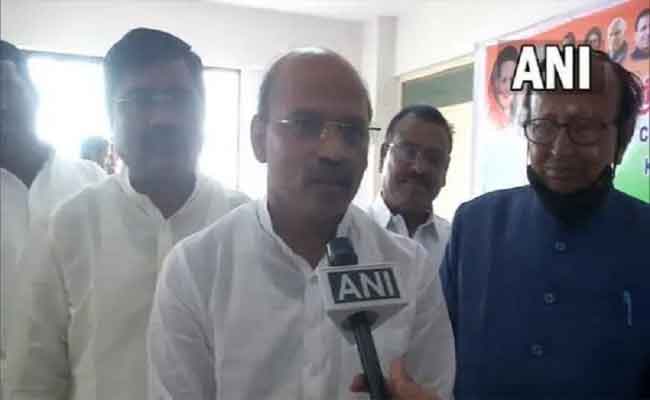
Bengaluru (PTI): In a decisive move, Karnataka Medical Education Minister Sharan Prakash Patil has instructed his department to inspect and potentially seal nursing colleges that fail to provide basic infrastructure for students. Patil issued the directive during a meeting at Vikasa Soudha, citing numerous complaints regarding infrastructure deficiencies.
Despite leniency, many private college managements have not rectified the issues. Patil noted, 'Most colleges lack adequate teaching staff, library, and laboratory facilities, and they charge exorbitant fees.' He added that stringent actions would be taken against non-compliant institutions.
The minister also rejected a 20% fee hike proposed by college managements, prioritizing students' interests. Additionally, he urged colleges to increase government quota seats from 20% to 40% to support more underprivileged students. Patil emphasized the need for inspections before admissions to ensure compliance with government norms.
Let the Truth be known. If you read VB and like VB, please be a VB Supporter and Help us deliver the Truth to one and all.
TMC will be voted back to power in Bengal: Tejashwi Yadav
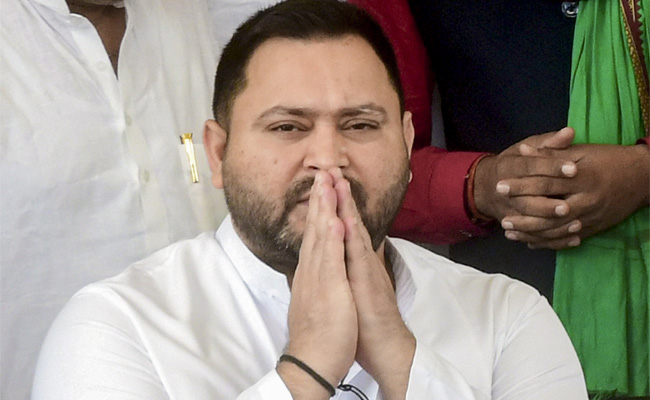
Patna (PTI): Leader of Opposition in Bihar assembly, Tejashwi Yadav, on Tuesday exuded confidence that the Mamata Banerjee-led TMC will again be voted to power in West Bengal.
Yadav returned to Patna after a four-day poll campaign in West Bengal.
“The atmosphere there is euphoric and people want to bring Didi (Mamata Banerjee) back to power. I am fully confident that the TMC will win the election,” he told reporters here.
He said that a large number of people from Bihar living in West Bengal share a lot of love and respect for Mamata Banerjee.
Responding to BJP’s allegations that the TMC had “ruined” West Bengal during its tenure, the RJD leader said the “entire country has been ruined under the Narendra Modi-led government”.
“I want to ask one question to Modi ji – you have been prime minister for more than 11 years, tell me one thing you have done for Bengal,” Yadav said.
The first phase of elections to the 294-member West Bengal assembly was held on April 23, while the second phase will take place on April 29. Votes will be counted on May 4.