K’taka minister proposes distribution of telescopes, microscopes to students of govt high schools
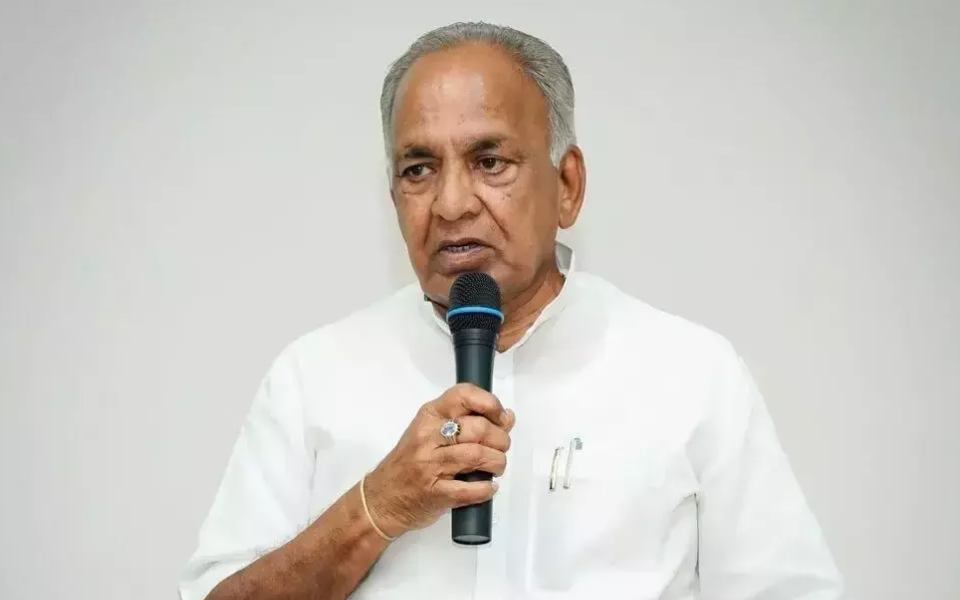
Bengaluru: NS Boseraju, the Minister for Minor Irrigation, Science, and Technology in Karnataka, has directed the Department of Science and Technology to develop a policy aimed at fostering scientific curiosity among students with the theme 'Science for All.'
Expressing delight in the success of Chandrayaan-3 and its impact on children's interest in Space Science, Minister Boseraju emphasized the need to cultivate and support this curiosity. He proposed the distribution of telescopes and microscopes to students in government high schools to encourage their scientific spirit.
The minister highlighted the importance of training teachers to guide students in effectively using this equipment to enhance their learning experience.
ALSO READ: Siddaramaiah kicks off grand 'Namma Jaatre' folk festival in Bengaluru
In a recent press release, Boseraju outlined the directive, stating, "The Department of Science and Technology has been instructed to formulate a separate policy on the matter."
The minister also shared that Karnataka currently boasts two regional science centres, two planetariums, eight sub-regional science centres, and eleven mobile planetariums.
Let the Truth be known. If you read VB and like VB, please be a VB Supporter and Help us deliver the Truth to one and all.
UP govt sacks five doctors, orders action against 16 health officials for negligence
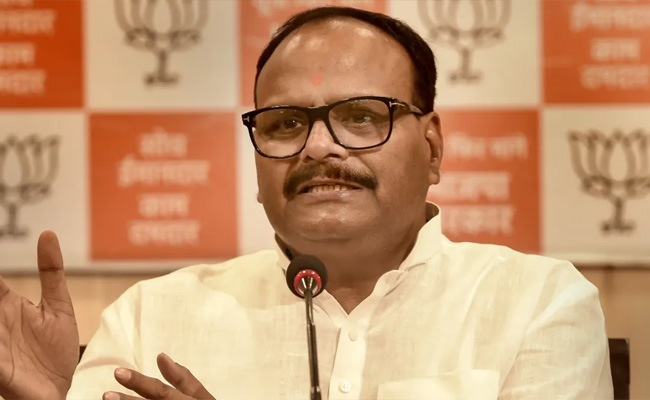
Lucknow (PTI): Uttar Pradesh Deputy Chief Minister and Health Minister Brajesh Pathak on Friday ordered strict action against several health officials, including the dismissal of five doctors from service, over alleged negligence, dereliction of duty and irregularities in the health department.
According to an official statement issued by his office, five medical officers were dismissed for remaining absent from duty for a prolonged period without information and for staying away from medical work.
Those dismissed include Dr Alaknanda of the district hospital in Gorakhpur, Dr Ramji Bhardwaj posted under the Kushinagar Chief Medical Officer (CMO), Dr Saurabh Singh posted under the Balrampur CMO, Dr Viklesh Kumar Sharma of CHC Jagdishpur in Amethi and Dr Monica Verma of CHC Dibiyapur in Auraiya, it stated.
The government also ordered departmental disciplinary proceedings against 16 medical officers, including Ambedkar Nagar CMO Dr Sanjay Kumar Shaival and Deputy CMO Dr Sanjay Verma, over alleged irregularities in the registration and renewal process of private hospitals, nursing homes and ultrasound centres, it added.
According to the statement, "the two officers were found guilty of deliberately violating government norms, misusing their positions and showing negligence in clearing files for personal interests."
"A preliminary inquiry conducted by a three-member committee, including an Additional District Magistrate, reportedly confirmed several complaints against them, following which Pathak ordered strict action."
Departmental proceedings were also ordered against Hardoi Medical Superintendent Dr Manoj Kumar Singh for allegedly failing to act against unauthorised private hospitals operating in the district and neglecting official responsibilities.
The health department has also sought an explanation from the Hardoi CMO over assigning senior-level responsibilities to a junior doctor despite the availability of senior officers in the district.
The statement said action has also been initiated against several doctors in separate cases related to alleged negligence in treatment, administrative lapses, improper medico-legal examinations and misconduct with colleagues.
Among them are Dr Shameem Akhtar of Prayagraj, doctors and a pharmacist posted at CHC Lambhua in Sultanpur, and two doctors at the district hospital in Mathura accused of negligence in preparing medico-legal reports in an assault case.
Departmental proceedings were also ordered against doctors posted in Balrampur, Varanasi, Badaun, Lakhimpur Kheri, Sambhal and other districts for alleged negligence in medical duties.
In another case, Dr Rituj Agrawal, an associate professor in the orthopaedics department of the government medical college in Badaun, faces disciplinary action over allegations of abusing and misbehaving with a woman doctor and another colleague.
Two doctors -- Dr Pratibha Yadav of Bahraich and Dr Rakesh Singh of Mathura -- have been awarded censure punishment in separate negligence-related cases.
The statement further said the deputation of Dr Aditya Pandey, who was posted with the State Health Agency under the cashless treatment scheme for government employees, has been terminated with immediate effect over alleged misconduct and inappropriate behaviour with a colleague.
He has been sent back to his original posting in Raebareli and departmental action has also been ordered, it added.
The government has also ordered withholding of salary increments in several cases. Dr Lalmani, a gynaecologist currently posted in Hamirpur, has been penalised with permanent stoppage of three increments and censure punishment over allegations of extortion from patients and misbehaviour during an earlier posting in Azamgarh.
Four increments of Dr Santosh Singh of Balrampur and two increments of Dr Nisha Bundela of Jhansi have also been withheld.
Action has also been directed against Dr Pawan Sahu, an orthopaedic surgeon at the trauma centre in Moth, Jhansi, after allegations of private practice against him were found to be true, the statement added.