Lacklustre Ganesha festivities in Karnataka due to coronavirus, floods
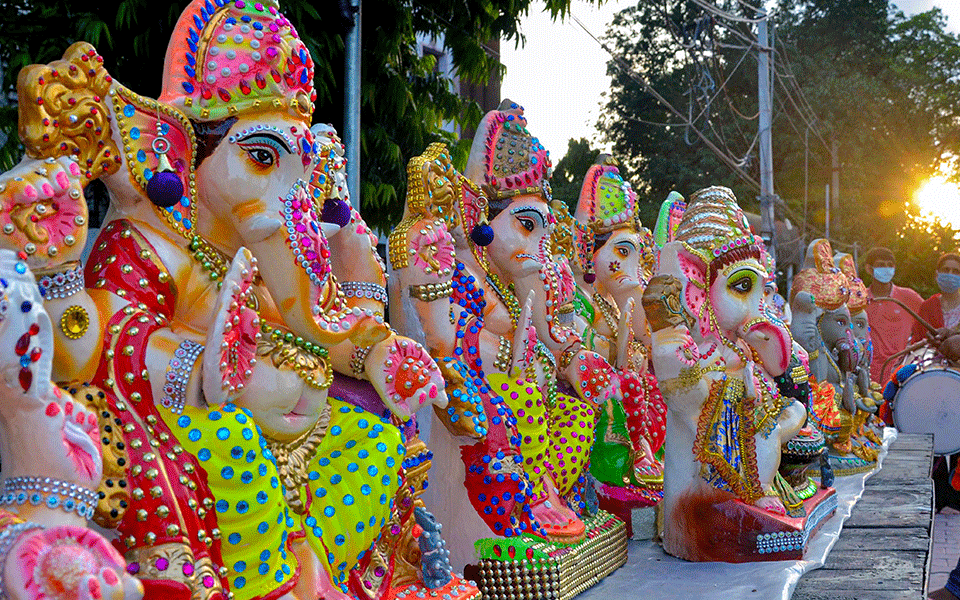
Bengaluru: The COVID-19 and grim flood situation in certain parts of Karnataka have cast their shadow on the Ganesha festival this year with lacklustre celebrations across the state.
There was very poor turnout of devotees at the Ganesha temples and very few installation of the lord's idols at public places this year in the state.
In view of the coronavirus scare, the state government had issued guidelines, discouraging the installation of Ganesha idols at every nook and corner.
The guidelines stated that the idol should not exceed four feet and each ward should have only one Ganesha Pandal. The organisers have also been directed to ensure social distancing, compulsory mask and sanitisers.
Reports coming in from various parts of the state say that there was poor sale of Ganesha idols all over the state. Loudspeakers blaring religious songs at public places on the occasion have fallen silent this year.
Most parts of North Karnataka are suffering a double whammy. While coronavirus has hit the people hard, the floods have wreaked havoc in many towns and villages in the region.
Spiritless festivities marked the Ganesha festival in Bengaluru, Mysuru, Chikkamagaluru, Shivamogga, Hassan, Mangaluru, Hubballi-Dharwad, Belagavi, Koppal, Vijayapura, Bidar, which are known for grand celebrations for at least nine days starting from Ganesha Chaturthi.
The famed Dodda Ganapathi temple at Basavanagudi in the state capital could not remain unaffected due to coronavirus.
"Every year we used to see a long queue of devotees stretching on to the road throughout the day on Ganesha Chaturthi but today there are hardly 400 present there," Neelakantha K, one of the temple management committee members, told PTI.
Manjunath Sharma, a temple priest at the Bhalamuri Ganapathi temple at Kumaraswamy Layout in Bengaluru rued the poor turnout of devotees.
"Every year on this day there used to be 3,000 to 4,000 people visiting the temple but this time it is somewhere between 200 to 300," Sharma said.
K Rajendran, an idol seller from Attibele in Bengaluru on the border of Karnataka and Tamil Nadu said the less number of Ganesha idols he had brought to sell had a few takers.
"The market is dull this time. Big idols are not at all moving. I am only praying that I am able to recover the manufacturing and transportation cost," he told PTI.
There was poor demand for fruits, vegetables, mango and plantain leaves this time, the vendors said. Prices of vegetables and fruits did not spiral this time, which had been the trend every year.
Let the Truth be known. If you read VB and like VB, please be a VB Supporter and Help us deliver the Truth to one and all.
Congress using hijab issue to pacify minority anger, alleges Karnataka LoP R Ashoka
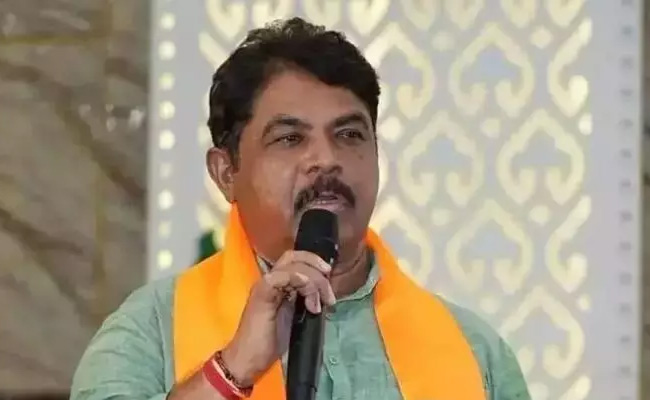
Bengaluru: Leader of Opposition in the Assembly R. Ashoka has accused the Congress government of using the hijab issue to placate what he described as discontent among minority voters after the Davanagere by-election.
In a post on X on Wednesday, Ashoka alleged that the state government, instead of addressing issues such as price rise, corruption, farmers’ distress and law and order, was attempting to retain its minority vote base by reviving the hijab issue.
Referring to the 2022 dress code introduced by the BJP government, which prohibited hijab in schools and colleges, Ashoka said the Karnataka High Court had upheld the policy and emphasised the importance of discipline in educational institutions.
He questioned the Congress government’s move to revisit the issue and asked whether setting aside the court-backed policy to benefit one community could be described as secularism.
Ashoka further alleged that while the government was willing to permit hijab, it continued to prohibit saffron shawls.
He accused the government of dividing students on religious lines rather than treating schools and colleges as spaces of equality.
Drawing a comparison with Mamata Banerjee’s government in West Bengal, Ashoka claimed that excessive appeasement politics had harmed the state and warned that the Congress in Karnataka could face a similar political response.
He said voters in Karnataka would teach the Congress a lesson for what he termed “vote-bank politics” and for compromising constitutional and judicial principles.