LS polls: Nearly 42% voter turnout in Karnataka's 14 constituencies till 1pm
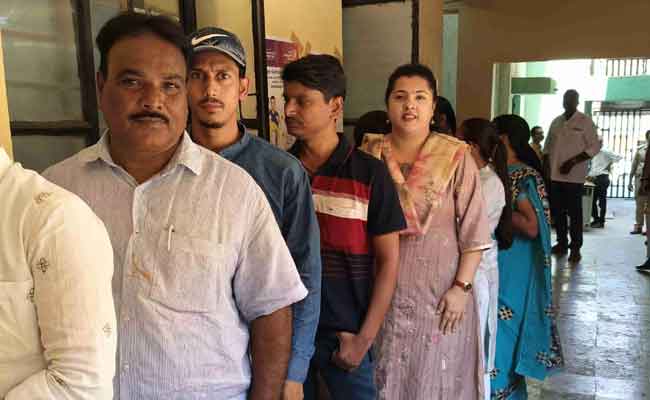
Bengaluru (PTI): An estimated 41.59 per cent turnout was reported at 1pm on Tuesday for the second phase of Lok Sabha polls in Karnataka in 14 constituencies.
The polling began at 7 am today and will end at 6 pm.
Out of the 14 segments, highest turnout of 45.69 percent was recorded in Chikkodi, followed by Shimoga 44.98 percent, and least was 37.48 percent in Gulbarga.
A total of 227 candidates -- 206 men and 21 women -- are in the fray for the second phase covering northern districts, where more than 2.59 crore voters are eligible to exercise their franchise in 28,269 polling stations.
The Congress and BJP are locking horns on the electoral battleground again in less than a fortnight in Karnataka.
It's a straight fight between the ruling Congress and the BJP in these segments. The JD(S) is not contesting in these seats and is supporting its NDA alliance partner -- the BJP.
The state has a total of 28 Lok Sabha constituencies. The first phase of polling in the other 14 seats in most of the southern and coastal districts was held on April 26.
The segments where elections are being held are: Chikkodi, Belgaum, Bagalkot, Bijapur, Gulbarga, Raichur, Bidar, Koppal, Bellary, Haveri, Dharwad, Uttara Kannada, Davangere and Shimoga.
In the 2019 Lok Sabha polls, BJP had swept all these 14 seats, defeating Congress and JD(S), which were in alliance and ruling the state back then.
Let the Truth be known. If you read VB and like VB, please be a VB Supporter and Help us deliver the Truth to one and all.
Congress using hijab issue to pacify minority anger, alleges Karnataka LoP R Ashoka
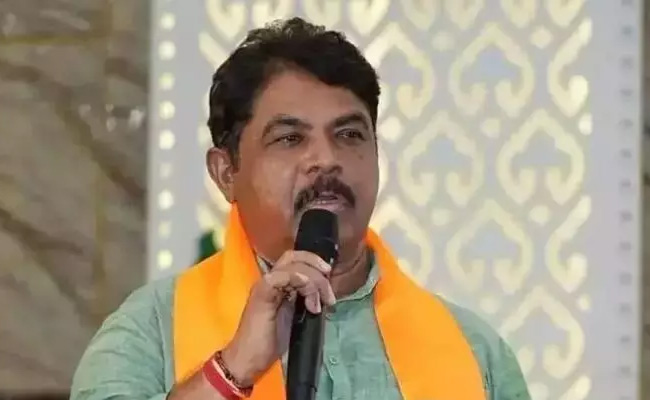
Bengaluru: Leader of Opposition in the Assembly R. Ashoka has accused the Congress government of using the hijab issue to placate what he described as discontent among minority voters after the Davanagere by-election.
In a post on X on Wednesday, Ashoka alleged that the state government, instead of addressing issues such as price rise, corruption, farmers’ distress and law and order, was attempting to retain its minority vote base by reviving the hijab issue.
Referring to the 2022 dress code introduced by the BJP government, which prohibited hijab in schools and colleges, Ashoka said the Karnataka High Court had upheld the policy and emphasised the importance of discipline in educational institutions.
He questioned the Congress government’s move to revisit the issue and asked whether setting aside the court-backed policy to benefit one community could be described as secularism.
Ashoka further alleged that while the government was willing to permit hijab, it continued to prohibit saffron shawls.
He accused the government of dividing students on religious lines rather than treating schools and colleges as spaces of equality.
Drawing a comparison with Mamata Banerjee’s government in West Bengal, Ashoka claimed that excessive appeasement politics had harmed the state and warned that the Congress in Karnataka could face a similar political response.
He said voters in Karnataka would teach the Congress a lesson for what he termed “vote-bank politics” and for compromising constitutional and judicial principles.