Man Arrested for murder of woman found dead on Dharwad outskirts
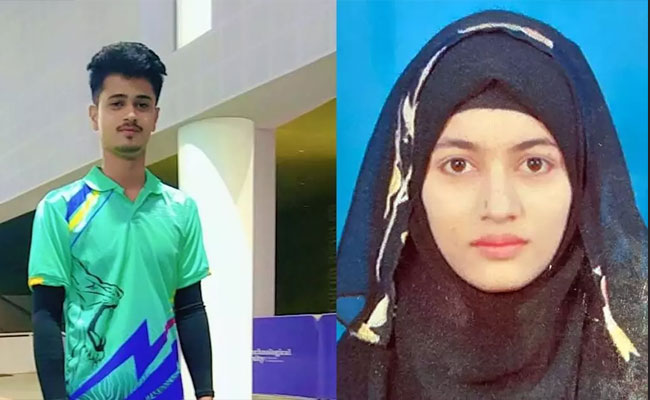
Dharwad: Dharwad Rural Police on Thursday arrested a man in connection with the murder of a young woman whose body was found on the outskirts of the city earlier this week.
The deceased has been identified as Zakia Mulla, who had completed her paramedical course and was waiting for employment opportunities. According to police, the accused is Sabir Mulla, the man she was supposed to marry.
Addressing the media, Dharwad Superintendent of Police Gunjan Arya said Zakia and Sabir had studied paramedical courses at the same college and were in a relationship for about three years. Their families had also held marriage talks, and a date had been fixed for their engagement ceremony next month.
However, differences reportedly arose between the two after Zakia questioned Sabir over his closeness with other women. This led to frequent arguments between them. Police said that following these disputes, Sabir allegedly took Zakia to a secluded area on January 20 and strangled her to death.
In a dramatic turn, the accused himself approached Dharwad Town Police Station after the murder, claiming that Zakia was missing and requesting police to help trace her. He also personally called the Superintendent of Police and informed her about the alleged disappearance.
Police said Sabir remained present at the spot when officers arrived and behaved as though he had no knowledge of the crime. However, his conduct raised suspicion. He was taken into custody and, during interrogation, confessed to the murder.
Zakia’s body was later found on the outskirts of Dharwad, confirming the crime.
The police said Sabir Mulla was arrested based on technical evidence collected during the investigation.
Let the Truth be known. If you read VB and like VB, please be a VB Supporter and Help us deliver the Truth to one and all.
Trump says he ‘hasn’t even thought about’ continuing Iran ceasefire
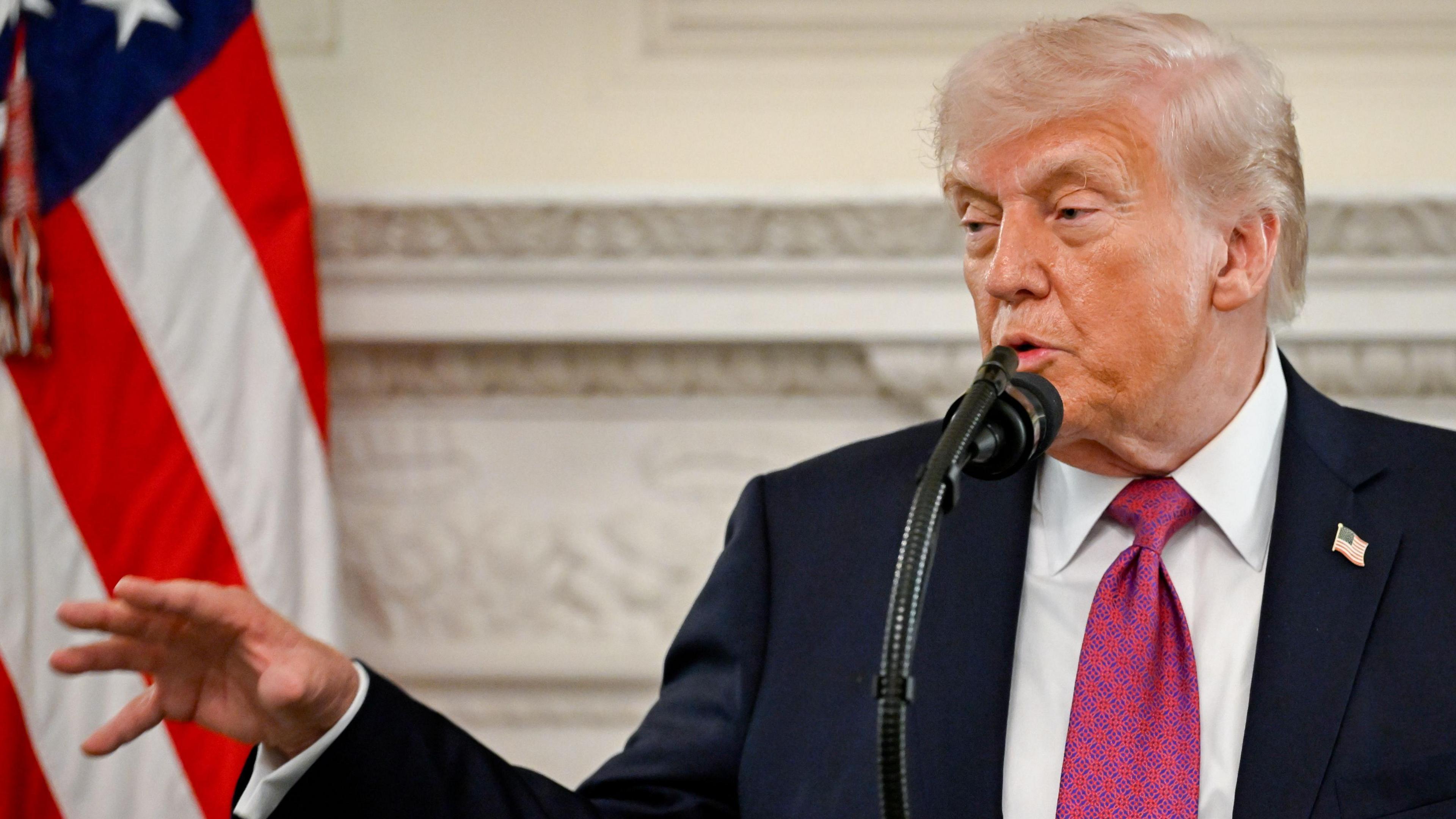
Washington: US President Donald Trump has said he has not yet considered whether he would continue the ceasefire involving Iran, while also claiming the United States holds the advantage in negotiations.
Speaking to reporters, Trump said he was prepared to make a deal with “whoever is running the show” in Iran.
“They are fighting with each other, there’s tremendous infighting. They’re probably fighting for leadership in many cases. I think they’re fighting not to be leader because we knocked out two levels of leaders,” he said.
Trump added, “When they want they can call me. We have all the cards, we’ve won everything.”
Referring to ongoing negotiations, he said, “They gave us a paper that should’ve been better. And, interestingly, immediately when I cancelled it [envoy trip to Pakistan], within 10 minutes we got a new paper that was much better.”
“We talked about they will not have a nuclear weapon, very simple … They offered a lot, but not enough,” he added.
When asked whether he would continue the ceasefire, Trump replied, “I haven’t even thought about it.”
The remarks come as uncertainty remains over the future of the temporary truce and broader negotiations between Washington and Tehran.