Measures to be taken to construct huge markets like KR Market: DCM Dr. G Parameshwar
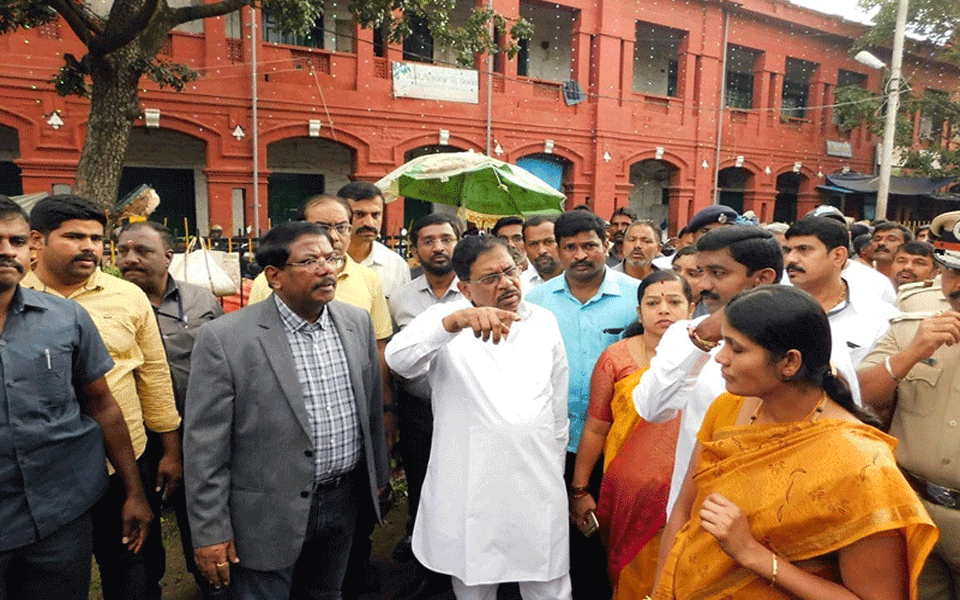
Bengaluru: We are thinking to take measures to build KR Market-like huge markets at Mysuru Road, Tumkur Road, and Hosur Road; informed Urban Development Minister Dr. G Parameshwar.
He was addressing the media after conducting the inspection of various places in KR Market on Thursday morning.
Most of the traders in the KR Market are trading without paying the rent. The building, which was constructed for trades, is not being used and it is remained locked. I have instructed the authorities to use that space for parking or other purposes. The market is completely messed up. There is nothing in the right way. The authorities here have been found to be more negligent. The negligence of the authorities is visible here, the minister noted.
KR Market always looks crowded as lakhs of people visit here every day. I will hold discussions with the concerned authorities to construct the same sort of markets at various places in the city to facilitate the people.
Mayor Gangambike, Deputy Mayor Rameela Umashankar, City Police Commissioner Sunil Kumar, and others were present.
Officer suspended
During the visit, Parameshwar asked the market DC Munilakshmi that the shops constructed inside the market belong to which department? The minister became angry when Munilakshmi did not have the information. “What are you doing? Why you must remain in the position if you do not know the properties of your department,” he snubbed the DC. He also informed the media that the officer was suspended.
Halt to ‘meter interest’ business
I too know that the ‘meter interest’ business is being run in the market. The authorities have been ordered to bring this business of charging exorbitant interest rates to a halt, Parameshwar informed.


Let the Truth be known. If you read VB and like VB, please be a VB Supporter and Help us deliver the Truth to one and all.
Noida airport to begin ops next month with IndiGo flights to Lucknow, Bengaluru
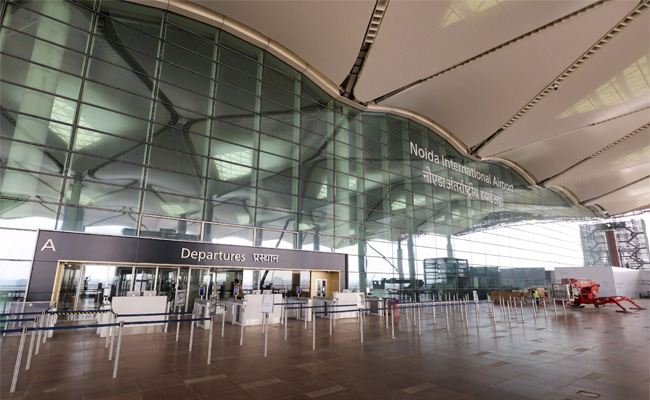
Noida (PTI): IndiGo on Thursday announced that it will start commercial flight operations from the Noida International Airport in Jewar from June 15, becoming the launch carrier for the greenfield airport in western Uttar Pradesh.
The first day flights will be to and fro Lucknow and Bengaluru, the airline said in a statement.
Noida International Airport was inaugurated by Prime Minister Narendra Modi on March 28.
IndiGo said it will be the first carrier to start commercial services from the airport, the third in the National Capital Region (NCR).
According to the airline, inaugural flights on June 15 will operate on the Lucknow-Noida-Bengaluru-Noida-Lucknow sector.
As per the announced schedule, flight 6E 2278 will depart from Lucknow at 7.05 am and arrive in Noida at 8.05 am before departing for Bengaluru at 8.35 am and landing there at 11.05 am.
The return flight, 6E 2279, will leave Bengaluru at 3.45 pm and reach Noida at 6.20 pm before departing for Lucknow at 6.55 pm and arriving there at 8 pm.
IndiGo said it will gradually introduce direct flights connecting Noida International Airport to more than 16 destinations across the country, including metro cities such as Bengaluru and Hyderabad, besides tier-2 and tier-3 cities like Amritsar, Chandigarh, Dharamsala, Jaipur, Lucknow, Navi Mumbai, Pantnagar and Srinagar.
The airline said bookings for the flights are being opened in phases through its website, mobile application and authorised travel partners.
Aloke Singh, Chief Strategy Officer of IndiGo, said the airline was pleased to announce the launch of operations from Noida International Airport.
"Strategically positioned on the Yamuna Expressway, Noida International Airport will be the new gateway for western Uttar Pradesh alongside the NCR. As we continue to expand our operations, we remain committed to delivering affordable, on-time and hassle-free travel experiences," Singh said.
IndiGo said the airport is expected to emerge as a major domestic aviation hub and will strengthen connectivity between Delhi-NCR and western Uttar Pradesh through integrated road and rail infrastructure.