Minister Priyank Kharge slams Centre over denial of permission for US visit
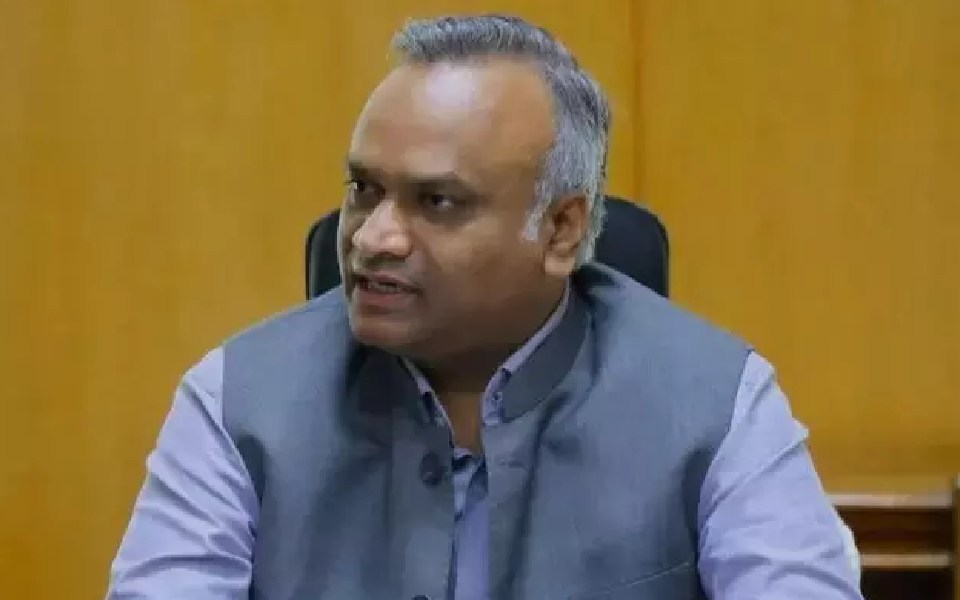
Bengaluru, Jun 19 (PTI): Karnataka Minister Priyank Kharge on Thursday criticised the Centre for denying him permission to travel to the US to interact with multinational companies to attract investments to the state.
According to sources, Kharge was slated to lead a delegation to Boston for Bio 2025 and San Francisco for Design Automation Conference.
However, due to denial of permission, he was forced to cut short his ongoing trip and returned from Paris to Bengaluru on Wednesday night.
Kharge vowed to raise the matter with the Ministry of External Affairs and seek its response for denying him permission.
“It seems that somewhere Centre is trying to curtail the fame of Karnataka,” the Minister, who holds Information Technology and Biotechnology portfolio, told reporters here.
He acknowledged the union government's authority to decline permission but stressed the need for a justification for the decision.
“Rejecting my official tour is improper,” Kharge added.
The minister said he would take it up with the Centre.
“We will not leave it just like that. I am going to write to the MEA seeking a valid explanation on why there was a denial of our delegation and a support from the Government of India,” Kharge said.
He also requested the Chief Minister to write to Prime Minister Narendra Modi.
Kharge also said that he was visiting the US not to discuss politics but to attract investments.
“People in the USA have no time to listen to our politics. We are going there to invite them to invest in Karnataka. The investment that comes to Karnataka will not only benefit the state but also the Centre,” the Minister insisted.
Let the Truth be known. If you read VB and like VB, please be a VB Supporter and Help us deliver the Truth to one and all.
J&K: One dead, seven hospitalised after consuming wild vegetable in Rajouri
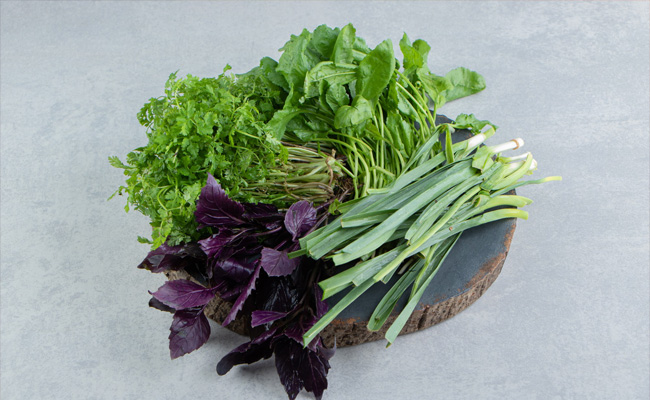
Rajouri/Jammu (PTI): One person died while seven others, mostly children, were hospitalised after allegedly consuming a wild vegetable in Jammu and Kashmir’s Rajouri district, officials said on Saturday.
The incident was reported from Mohra village in the Kotranka subdivision, where members of two families consumed a wild vegetable following which they started showing symptoms of food poisoning on Friday evening, they said.
The affected persons were initially shifted to the Community Health Centre in Kandi and later referred to the Government Medical College Hospital Rajouri for specialised treatment.
Officials said an elderly man, identified as Mohammad Hussain (60), died during treatment, while seven other members of the two families are undergoing treatment at the hospital.
“Prima facie, it is a case of food poisoning, but the matter is still under investigation,” a doctor said.
Officials said an investigation into the incident has been initiated to determine the exact cause of the poisoning.