Monuments opened, but life of tourist guides in Karnataka still locked
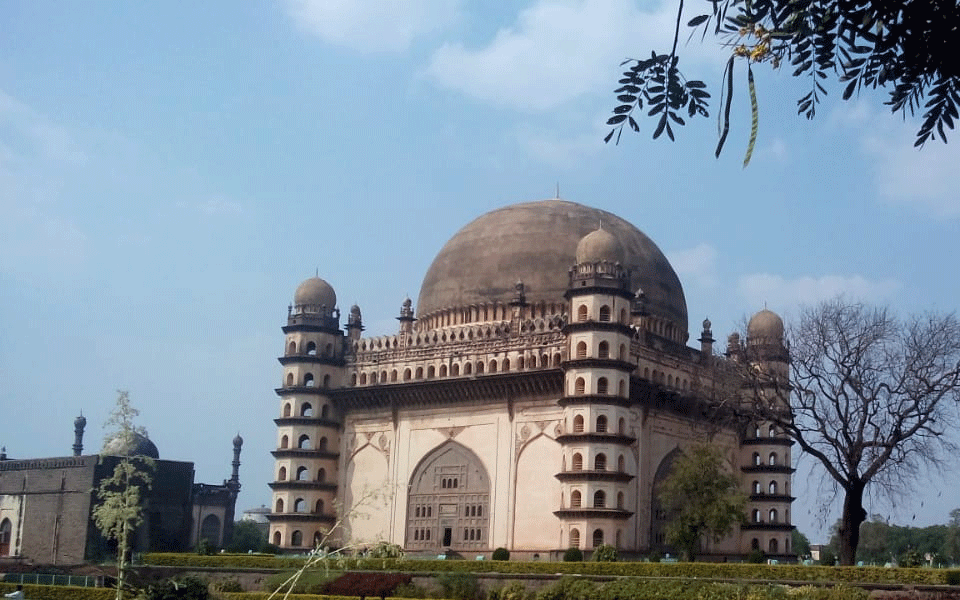
Vijayapura: On June 7 when the Union Government reopened monument for public viewing in the second phase of the lifting of lockdown, Jahangir Kudgi was happy and hopeful of returning to the historic Gol Gumbaz which is the source of his earning.
Working as a tourist guide along with seven other guides, Jahangir is one of the 1050 tourist guides of the State who are working at different ASI protected monuments for several years.
These guides who only get a license from the Tourism Department and no other benefits, essentially depend on the tourists to pay them, as the government doesn’t provide any financial aid.
“We are jobless since mid-March when the ASI closed all their monuments due to the COVID pandemic in the country”, Jahangir said who turned into a tourist guide after completing graduation and undergoing guide training by the Tourism Department.
During the lockdown, the administration offered food kits which remains the only benefit they received from the government, Jahangir said.
He said that after lifting of lockdown in the second phase, the guides were hopeful that they would receive some tourists, but asserted that nothing has changed even after the lockdown was lifted as they continue to hunt for tourists.
Vijaykumar Bandi who is also a tourist guide said the tourists from Maharashtra, Andhra Pradesh, and other states of North India, usually hire guides. “Only a few guides who are good at English, are hired by the foreign tourists,” he said.
“Even as the lockdown has been lifted and monuments are open for visitors. But except some locals, there are no tourists coming from other parts of the country, forget about foreigners. These locals come here only for recreation”, Vijaykumar said.
Ashok Mayachari, State president, Tourist Guides’ Union said that the state has around 1,050 registered guides who have undergone training and obtained licenses from the Department of Tourism to work as guides. He said that each guide earns between Rs. 10,000 to Rs 15,000 a month depending on the places they live in. Guides working in Bengaluru and Mysuru earn little more than their counterparts of Vijayapura or Bagalkot or Hampi.
He said that since the guides get neither salary nor any incentive from the government, only the tourists meet their both ends meet. “But for nearly five months, we have no earnings. Life has become miserable. Several of us have borrowed money from friends and relatives for family expenses”, he said.
Mayachari said that for the last several years, the guides have been urging successive governments to pay a minimum remuneration to the guides which will help them sustain during the crisis “But to date, our demands have not been met,” he said.
Meanwhile, Jahangir is planning to start a road-side eatery with his limited savings. “I had undergone cookery training from RUDSET. I am now planning to open a small eatery. I waited for too long for the tourists to arrive. But now, I am losing my patience and saving also. Before I run out of the remaining saving, I will have to do something. That is why, I am now planning to start an eatery”, he said.
Amid this, the Tourism Department officials said that they have received a memorandum from the association seeking financial aid from the government. “Since we can’t take any decision on it, we have forwarded the memorandum to the Tourism Ministry”, the officials said.
Let the Truth be known. If you read VB and like VB, please be a VB Supporter and Help us deliver the Truth to one and all.
Congress using hijab issue to pacify minority anger, alleges Karnataka LoP R Ashoka
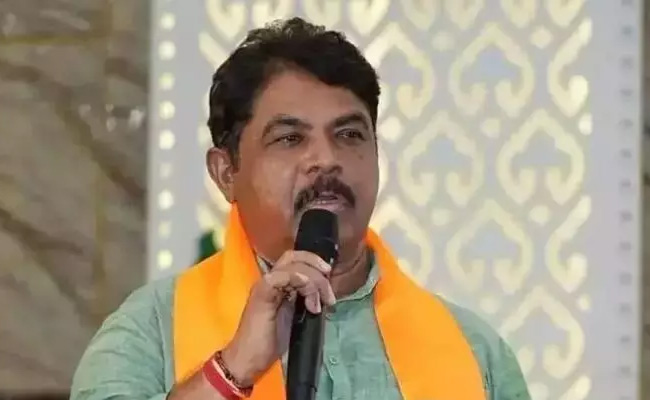
Bengaluru: Leader of Opposition in the Assembly R. Ashoka has accused the Congress government of using the hijab issue to placate what he described as discontent among minority voters after the Davanagere by-election.
In a post on X on Wednesday, Ashoka alleged that the state government, instead of addressing issues such as price rise, corruption, farmers’ distress and law and order, was attempting to retain its minority vote base by reviving the hijab issue.
Referring to the 2022 dress code introduced by the BJP government, which prohibited hijab in schools and colleges, Ashoka said the Karnataka High Court had upheld the policy and emphasised the importance of discipline in educational institutions.
He questioned the Congress government’s move to revisit the issue and asked whether setting aside the court-backed policy to benefit one community could be described as secularism.
Ashoka further alleged that while the government was willing to permit hijab, it continued to prohibit saffron shawls.
He accused the government of dividing students on religious lines rather than treating schools and colleges as spaces of equality.
Drawing a comparison with Mamata Banerjee’s government in West Bengal, Ashoka claimed that excessive appeasement politics had harmed the state and warned that the Congress in Karnataka could face a similar political response.
He said voters in Karnataka would teach the Congress a lesson for what he termed “vote-bank politics” and for compromising constitutional and judicial principles.