Nearly 5,000 patients await Kidney transplants in Karnataka amid growing demand
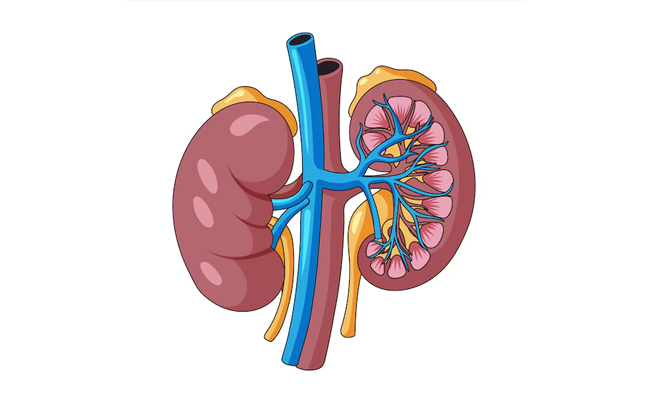
Bengaluru: Nearly 5,000 patients in Karnataka are currently on the waiting list for kidney transplants, highlighting a widening gap between demand and availability of donor organs in the state. According to data from the Health and Family Welfare Department, 4,922 patients were registered for kidney transplants as of December 2025, even as only about 300 such procedures were carried out during the year.
A detailed report published by Deccan Herald noted that the waiting list for other organ transplants is far smaller in comparison. As per official data, 698 patients are registered for liver transplants, 118 for heart transplants and 44 for lung transplants. In 2025, kidney donations from 150 donors benefited around 300 recipients, while 161 livers, 49 hearts and 29 lungs were donated. Despite this, patients seeking a kidney transplant often face a waiting period of two to three years.
ALSO READ: Bengaluru police seize drugs, cash worth Rs 2.50 cr, two held
Doctors and health officials have attributed the rising pressure on the transplant system to the sharp increase in non-communicable diseases such as diabetes and hypertension, which are major causes of chronic kidney disease. These conditions not only add to the number of patients requiring transplants but also reduce the pool of eligible donors.
D. P. Arun Kumar, programme officer of Jeevasarthakathe, the State Organ Tissue and Transplant Organisation under the Health and Family Welfare Department, told Deccan Herald that uncontrolled diabetes and hypertension significantly limit donor eligibility. He said individuals with these conditions, or with existing kidney damage, cannot donate kidneys. In addition, blood group compatibility and Human Leukocyte Antigen (HLA) matching further restrict donor options. He explained that while a complete HLA match is generally expected only among parents or siblings, mismatches can be managed through immunosuppressive therapy.
Unlike liver transplants, where allocation is based on the severity of illness, kidney transplants in Karnataka are allotted according to the seniority of registration. Arun Kumar said this system is followed because patients can be sustained on dialysis until a suitable kidney becomes available.
To reduce the financial burden on patients, the state government provides assistance to economically weaker sections. Below Poverty Line card holders are eligible for ₹2 lakh towards transplant costs and ₹1 lakh annually for post-transplant care, applicable in both government and private hospitals. Free kidney transplant services are currently available at the Institute of Nephro Urology at Victoria Hospital in Bengaluru and at KIMS Hubballi, with plans underway to extend the facility to KR Hospital in Mysuru.
Dr Kristina George, consultant nephrologist and renal transplant specialist, said that although there has been some improvement in public willingness to consider organ donation, India still lags far behind global standards. She pointed to mistrust in healthcare systems, lack of awareness and religious concerns as major reasons families hesitate to consent to deceased organ donation. She noted that this year alone, 13 families declined consent despite donors being medically eligible.
Health and Family Welfare Minister Dinesh Gundu Rao said the government is planning to introduce structured transplant counselling for families of the deceased in government hospitals, with the aim of improving consent rates and strengthening the organ donation programme in the state.
Let the Truth be known. If you read VB and like VB, please be a VB Supporter and Help us deliver the Truth to one and all.
Pawan Khera denied anticipatory bail in passport case: Cong stands up for senior member
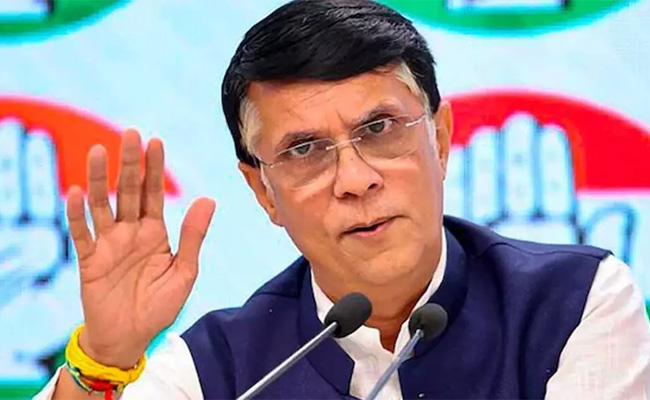
New Delhi: The Congress party has stood by Pawan Khera, the Chairman of the party’s Media and Publicity Department, expressing confidence that regardless of hurdles like politics of threat and intimidation, justice would emerge victorious.
Khera was denied anticipatory bail by the Gauhati High Court on Friday in the case filed against him by Assam Chief Minister Himanta Biswa Sarma's wife Riniki Bhuyan Sarma for alleging that she possessed not only multiple passports but also undisclosed properties abroad.
Senior Congress leader Jairam Ramesh has said in a post in Hindi on his ‘X’ account, “The entire Indian National Congress stands in solidarity with Pawan Khera, the Chairman of its Media and Publicity Department. The process to challenge the Gauhati High Court’s decision in the Supreme Court is underway.” In the post, which he put up on Friday, Ramesh has added, “We are confident that justice will prevail over the politics of threats, intimidation, and harassment.”
Bhuyan Sarma has lodged also an FIR seeking legal action against Pawan Khera for his allegations that she possesses passports of three countries and owns a company in the US, which had invested Rs. 50,000 crores. She has filed criminal cases against the Congress leader at the Guwahati Crime Branch Police Station under various sections of the Bharatiya Nyaya Sanhita (BNS).