No bus fare hike despite fuel price surge: Karnataka Minister Ramalinga Reddy
_vb_72.jpeg)
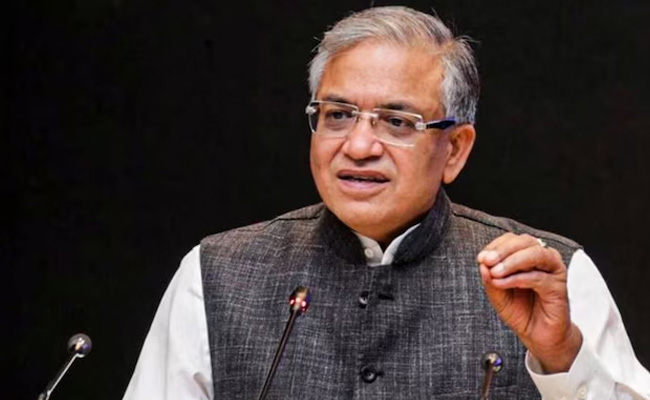
Bengaluru (PTI): Karnataka Transport Minister Ramalinga Reddy on Saturday ruled out any immediate increase in bus ticket fares despite the recent surge in petrol and diesel prices, attributing the rise in fuel costs to global factors.
He said the state government would not burden commuters with higher fares at this stage and indicated that there was no move to initiate the process required for a revision.
"Just because diesel prices have gone up, we will not increase ticket fares. We do not have the authority to raise fares now. We are not increasing them," Reddy told reporters.
Responding to queries on whether a committee would be constituted to review fare revision, the minister said the government was not considering such a step at present.
He attributed the current spike in fuel prices to ongoing geopolitical tensions and expressed hope that prices would ease once the situation stabilises.
"Prices have gone up due to the war situation (Iran-Israel-US). If the war stops, prices will automatically come down," he said, adding that even if prices rise further in the near term, fares would not be increased immediately.
On being asked whether the state would seek intervention from the Centre, Reddy criticised the Union government's handling of fuel pricing in recent years.
He said that while crude oil prices had fallen in the past, the benefit was not passed on to the public.
The minister further said that for nearly a decade, lower crude oil prices did not translate into relief for consumers, adding that the gains accrued largely to the Centre.
Reiterating the state's position, he said, "We will not do anything on our part. As far as we are concerned, we will not increase fares," while urging the central government not to impose further price hikes that could burden the public.
Let the Truth be known. If you read VB and like VB, please be a VB Supporter and Help us deliver the Truth to one and all.
Lebanon appoints new representative for talks with Israel, rejects linkage to Iran
Beirut: Lebanon’s has moved to underline its independent position in ongoing regional developments, amid attempts to link the country to the broader conflict involving Iran, the United States and Israel.
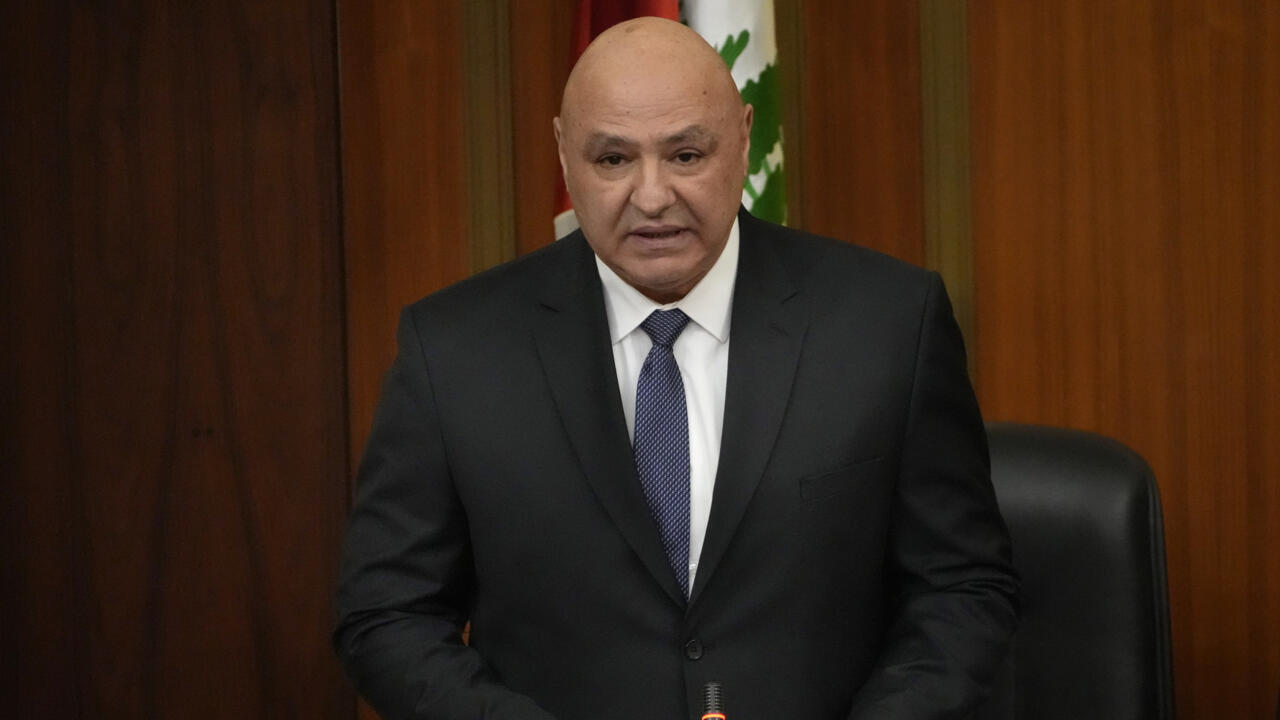
President Joseph Aoun, while announcing the appointment of former US ambassador Simon Karam as Lebanon’s representative in talks with Israel, made it clear that Karam would be the sole representative for Lebanon and that there would be no substitute.
The move comes in response to what the Lebanese officials see as efforts by Iran to tie Lebanon’s situation to the wider regional conflict. Iran had indicated that there would be no ceasefire involving the US, Israel and Iran unless it also included a ceasefire in Lebanon.
Some groups, including Hezbollah and its supporters, had expressed support for linking the situations, citing concerns that the Lebanese government has limited leverage in negotiations with Israel. Lebanon is not formally a party to the conflict, and its army is considered weak.
However, others, including Prime Minister Nawaf Salam, have opposed this approach. They view Iran’s stance as an attempt to influence Lebanon’s internal affairs and see it as undermining the country’s sovereignty.
Officials backing the government’s position say the move is aimed at reaffirming Lebanon’s sovereignty and ensuring that decisions about peace and ceasefire within the country are not dictated externally.
They also see it as a safeguard, so that any breakdown in talks between the US, Israel and Iran does not automatically lead to renewed conflict in Lebanon.