NPR, first phase of Census deferred due to countrywide lockdown: Officials

New Delhi: The exercise to update the National Population Register (NPR) and the first phase of the Census-2021 have been deferred indefinitely due to the 21-day lockdown announced by Prime Minister Narendra Modi, officials said on Tuesday.
The two exercises were supposed to be carried out from April 1 to September 30. Due to the prevailing situation, the NPR and Census exercises have been deferred till further orders, a senior home ministry official said.
The Prime Minister Tuesday evening announced a 21-day countrywide lockdown from this midnight due to the outbreak of the coronavirus.
The home ministry had recently said the preparation for the Census 2021 and updation of the NPR were at its peak and will begin from April 1.
The ministry said this after a conference of the Directors of the Census Operations on status of preparatory work around Census 2021 and NPR updation.
There have been opposition from several state governments to the NPR and some of them even adopted resolution expressing their opposition to the exercise.
The states which have been opposing the NPR include Kerala, West Bengal, Punjab, Rajasthan, Chhattisgarh and Bihar.
However, most of them also said they will cooperate with the house listing phase of the Census.
The objective of the NPR is to create a comprehensive identity database of every usual resident in the country.
Let the Truth be known. If you read VB and like VB, please be a VB Supporter and Help us deliver the Truth to one and all.
Nora Fatehi apologises before NCW over 'Sarke Chunar' row, vows support for orphan girls
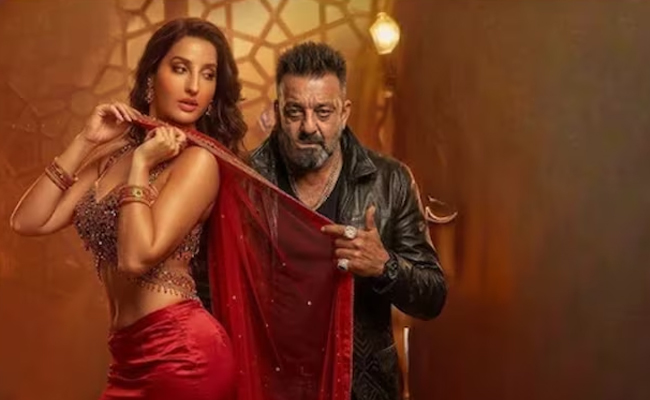
New Delhi (PTI): Actor Nora Fatehi on Thursday appeared before the National Commission for Women in connection with a controversy surrounding the song 'Sarke Chunar' and apologised, saying there was "no intention to offend anybody."
Speaking to reporters after the hearing, Fatehi said she had been put in a situation unintentionally but acknowledged her responsibility as an artist.
"It was just a situation that I was put in, and there was no intention to offend anybody. But of course, I have to be responsible as an artiste. I definitely apologise, we have done everything in writing. They have been so kind and helpful," she said.
The actor also said she has decided to sponsor the education of a few orphan girls.
"It's really important for us to give back to society. So, I decided that we should sponsor a few orphan girls, their education, so that is the goal after this matter," she said.
Earlier, Fatehi distanced herself from the Hindi version of the song, saying she had shot the Kannada version and that her permission was not taken for its use in Hindi.
The Hindi version of the song, released on March 15 on YouTube, triggered outrage among a section of the public over its allegedly explicit lyrics.
Following the backlash, the makers removed the Hindi version from YouTube, though it continued to circulate across platforms. The lyricist, singer and director have also issued apologies.
'KD The Devil' is a Kannada film, dubbed in four languages, including Hindi.