Parents burn children with incense sticks to treat fever in Karnataka's Koppal instead of medicine

Koppal: In a disturbing case of superstition-driven child abuse, several families in Vithalapur village of Koppal district have been reportedly burning their children with incense sticks to treat common fevers instead of consuming medicines.
The practice, which has also allegedly resulted in death of seven-month-old baby, has drawn strong condemnation from health officials and social activists.
According to a report by The New Indian Express, at least 18 such cases have come to light, following the recent death of the infant whose mother allegedly used a burning incense stick as a home remedy for fever. Social activists investigating the incident revealed that many more cases likely remain unnoticed.
The villagers reportedly believe that burning the skin with incense sticks and applying agarbatti ash can cure fever and bring God’s blessings. This belief, deeply rooted in local superstition, has led to repeated cases of children being physically harmed in the name of healing.
The district administration took serious note of the issue after the infant’s death. Authorities will file cases against the parents involved in all 18 identified incidents, the report added.
Residents of Koppal expressed concern over the prevalence of such harmful beliefs. Some villagers acknowledged that certain families not only practice these rituals but actively spread their beliefs to others. They have urged the district administration and police to crack down on individuals, including self-styled godmen (‘babas’), who promote such dangerous treatments.
Meanwhile, the Deputy Commissioner has instructed local officials to increase surveillance and launch awareness about the issue among villagers.
Let the Truth be known. If you read VB and like VB, please be a VB Supporter and Help us deliver the Truth to one and all.
SC notice to Centre on PIL against Muslim personal law sections being 'discriminatory' against women
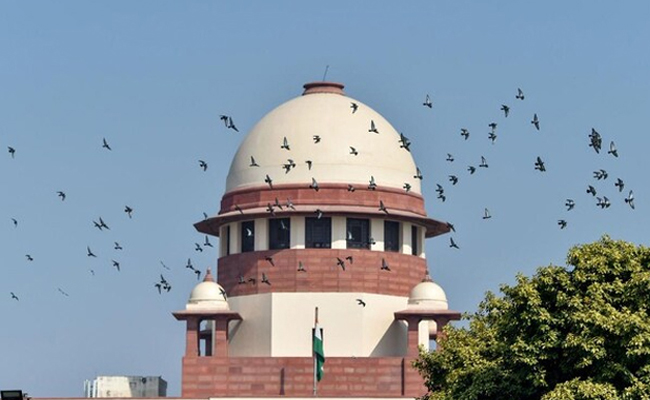
New Delhi (PTI): The Supreme Court on Thursday sought the Centre's response on a PIL challenging the constitutional validity of certain provisions of the Muslim Personal Law (Shariat) Application Act, 1937, on the ground that those are allegedly discriminatory against women.
A bench of Chief Justice Surya Kant and Justices Joymalya Bagchi and Vipul M Panchol took note of the submissions made by lawyer Prashant Bhushan, who appeared in the matter for petitioners Poulomi Pavini Shukla and the Nyaya Naari Foundation, and issued a notice to the Union Ministry of Minority Affairs.
The plea says the current Shariat inheritance rules are "manifestly discriminatory" against women, often granting them only half or less of the share allocated to their male counterparts.
Bhushan said the 1937 Act violates Article 14 (right to equality) of the Constitution.
He said matters of succession are civil in nature and do not constitute an "essential religious practice" protected under Article 25.
"Saying women will get half or even less than half compared to male counterparts is discriminatory," the lawyer said.