People coming from Kerala, Maharashtra to be monitored closely for COVID-19 in K'taka: Dr K Sudhakar
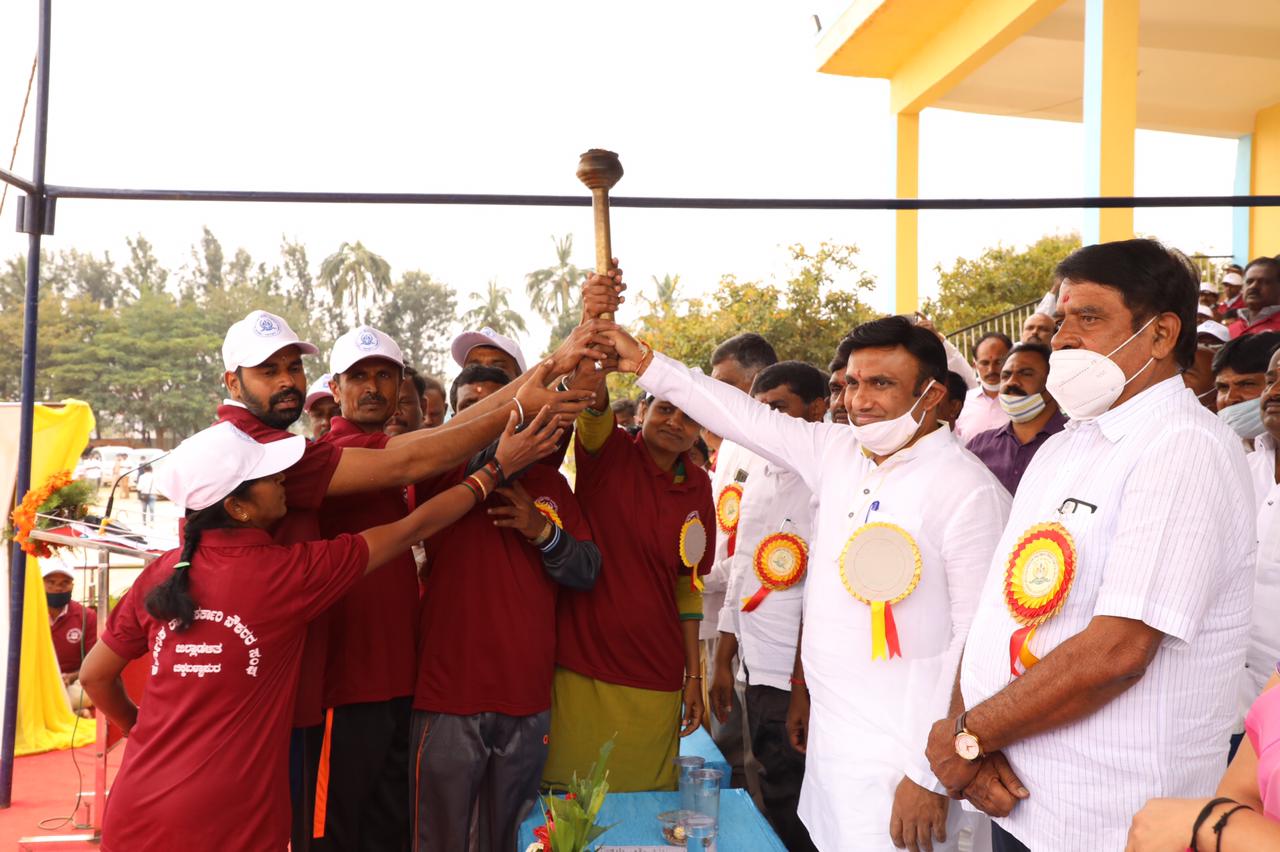
Bengaluru, Feb 19: People coming to Karnataka from neighbouring Kerala and Maharashtra, which have seen a spike in COVID-19 cases, will be monitored scrupulously with special attention in the border districts, state Health Minister K Sudhakar on Friday said.
He did not rule out the possibility of a second wave of COVID-19 in the state and cautioned the people against any negligence as the pandemic was still not over.
Noting that coronavirus cases were increasing in Kerala and Maharashtra, he said "I have written to the Home Minister, also to the Deputy Commissioners of all the border districts and willbe having a video conference with them tomorrow.
Special attention has to be given in the districts bordering the two districts," Sudhakar said.
Speaking to reporters in Chikkaballapura, he said, there was increasing negligence among people and they seemed to have developed a misconception that the COVID-19 has gone, warning of an impending "danger", if precautions like wearing masks and maintaining distance are not followed.
"Definitely COVID has not completely gone, but fortunately the vaccination has come....all those coming from Kerala and Maharashtra will be monitored scrupulously. Our department has already issued guidelines, those (from Kerala) cannot come without an RT-PCR negative certificate," he added.
Karnataka earlier this week had issued new guidelines mandating all those coming to the state from Kerala to carry a negative RT-PCR test report not older than 72 hours.
The Minister also said soon a meeting will be held under the leadership of the Chief Minister with Deputy Commissioners of all districts regarding the vaccination and the alertness that has to be maintained in the days to come as there was a possibility of a second wave.
As of Thursday, cumulatively 9,46,860 COVID-19 positive cases have been confirmed in Karnataka which included 12,282 deaths and 9,28,767 discharges. The active cases stood at 5,792.
Let the Truth be known. If you read VB and like VB, please be a VB Supporter and Help us deliver the Truth to one and all.
PM should tell his MPs to do better homework before raising issues in Parliament: Cong
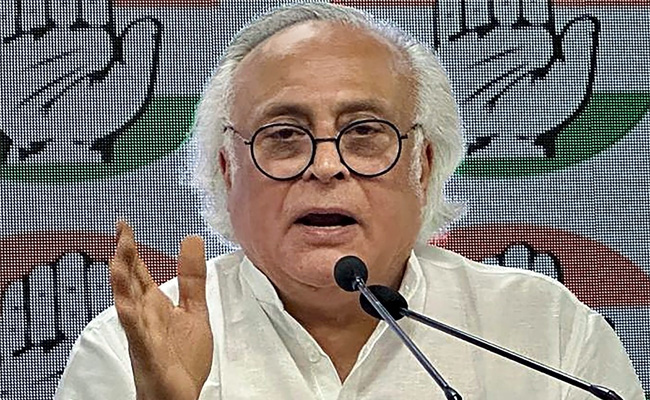
New Delhi (PTI): Congress leader Jairam Ramesh on Monday asked Prime Mi nister Narendra Modi to tell his MPs to do better homework before raising issues in Parliament.
His reaction came after BJP MP K Laxman accused the Congress and other opposition parties of appeasement and doing votebank politics by giving OBC reservation to Muslims.
"Today in the Rajya Sabha, the Indian National Congress was accused of appeasement because of its stance on reservations for Muslims on the basis of backwardness," Ramesh said in a post on X.
"Here is what the Prime Minister had himself said on this subject on Feb 9, 2022. The PM should tell his MPs to do better homework," the Congress leader said, while sharing an undated video of the Prime Minister.
In the video, PM Modi is saying that in Gujarat too, there are 70 such castes in Muslim community which were OBC.
"In my Gujarat, when I was there, they received the benefits under OBC category, but I did not see that in the media," the prime minister said in the video.