Photographer duo electrocuted in Mandya while putting up banner
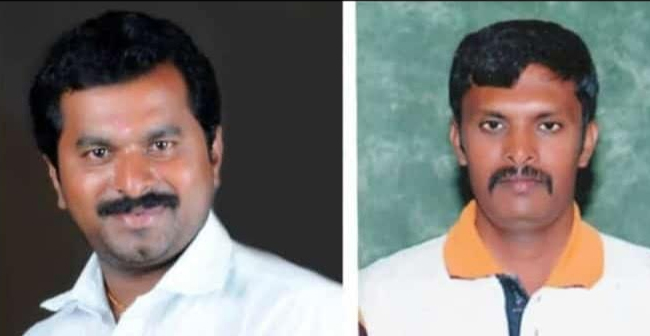
Mandya: Two photographers in Besagarahalli of Maddur taluk died of electrocution when they were putting up a banner outside their studio on Saturday.
Vivek of Maraliga village and Madhu of Gejjalagere village of Maddur have been identified as the victims. It is learned that Vivek had a studio in a room on the first floor of the building while Madhu worked as his assistant.
At around 11 am on Saturday, both were working at putting up the banner when, accidentally, the banner fell off their hands and touched the electricity wire nearby. The duo holding up the banner that had an iron wiring was electrocuted with the power that passed through the wiring, said sources.
Citizens nearby rushed to their help and got them admitted to a primary health centre nearby. When the photographers were being shifted to the district hospital, however, both Vivek and Madhu died on the way, said sources.
Besagarahalli Police have registered a case in this regard.
Let the Truth be known. If you read VB and like VB, please be a VB Supporter and Help us deliver the Truth to one and all.
Jawan found dead in CRPF camp in J-K's Shopian
Srinagar (PTI): A CRPF jawan died inside a camp in Shopian district of Jammu and Kashmir, officials said on Wednesday.
Head constable Surinder Singh, who hails form Hyderabad, fell unconscious late Tuesday night at the Zainapora Central Reserve Police Force (CRPF) camp in Shopian, the officials said.
Singh was shifted to Zainapora hospital where he was declared dead on arrival.
Police has taken cognizance of the incident and started proceeding to ascertain cause of Singh's death.