PM Modi condoles deaths in Hassan accident; announces Rs 2 lakh ex-gratia
New Delhi (PTI): Prime Minister Narendra Modi on Saturday expressed grief over the deaths of several people during a Ganesha immersion in Karnataka, and said it was a heart-rending tragedy.
Eight persons were killed, and over 20 others injured when a truck ploughed into a Ganesha immersion procession in a village in the Hassan district on Friday night.
Among the injured, at least eight individuals are currently in critical condition.
Modi said on X, "The mishap in Hassan, Karnataka, is heart-rending. In this tragic hour, my thoughts are with the bereaved families. I hope those who have been injured recover at the earliest."
He announced an ex-gratia of Rs 2 lakh from the Prime Minister's National Relief Fund to the next of kin of each deceased. The injured would be given Rs 50,000 each, he added.
Let the Truth be known. If you read VB and like VB, please be a VB Supporter and Help us deliver the Truth to one and all.
Karnataka govt to strictly implement the paid menstrual leave policy, after HC directive
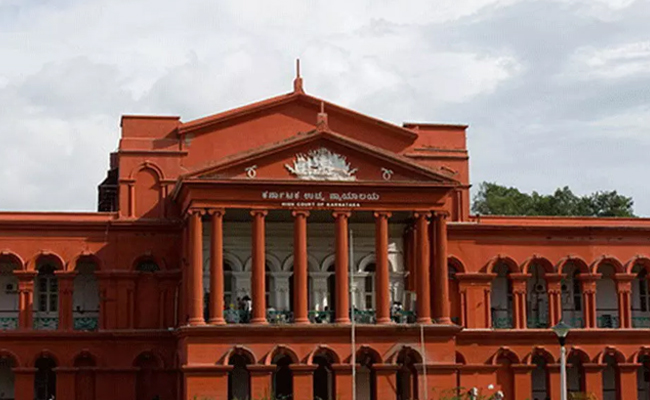
Bengaluru (PTI): Karnataka Labour Minister Santosh Lad has said that the government will strictly implement the paid menstrual leave policy across all sectors at the earliest, following the High Court directive.
The High Court of Karnataka had recently directed the state government to "strictly and faithfully" implement the menstrual leave policy, pending formal enactment of the proposed legislation.
"I welcome the directive issued by the Karnataka High Court in support of our state government's ambitious menstrual leave policy," Lad said.
The state government has taken firm steps to implement the menstrual leave policy comprehensively, and as a model to the country, he said in a post on 'X' on Thursday.
"In line with the court's opinion that menstrual leave is a matter of women's dignity, justice, and humane recognition of their lived realities, we will strictly implement the paid menstrual leave policy--equivalent to one day per month, or 12 days per year--across all sectors at the earliest," he added.
The court had said that in the interregnum, it shall be incumbent upon the state to ensure effective operationalisation of the policy through the issuance of suitable guidelines, circulars, and administrative instructions, as may be necessary to secure its uniform, consistent, and rigorous implementation across all sectors.
The court issued the directive while hearing on a petition filed by 41-year-old Chandravva Hanumant Gokavi, who works in a hotel in Mudalgi of Gokak taluk in Belagavi district, before the Dharwad bench, seeking implementation of the November 20, 2025, order of the government providing one-day menstrual leave for all working women.