PM Modi to launch yellow line metro, Vande Bharat Express in Bengaluru
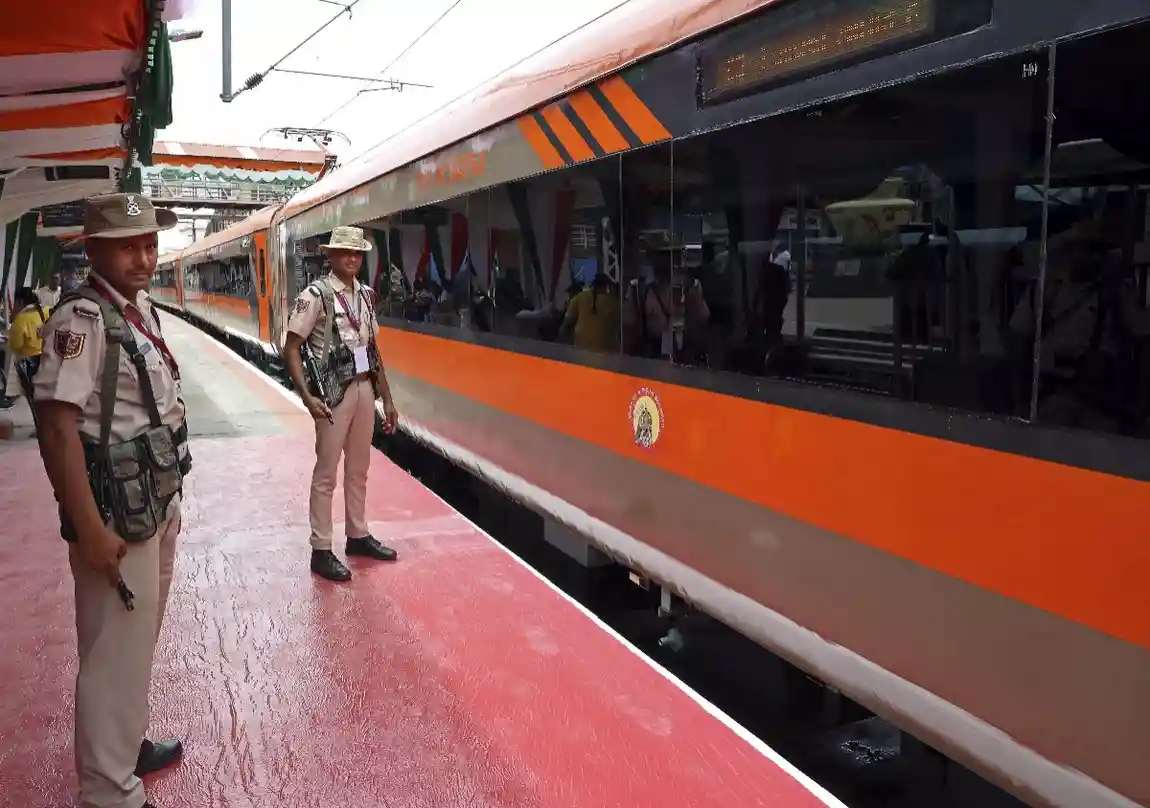
Bengaluru (PTI): Prime Minister Narendra Modi will inaugurate the much-awaited Yellow Line of Bangalore Metro and the Vande Bharat Express train between Bengaluru and Belagavi here on Sunday.
PM will also lay the foundation stone for the Bangalore Metro Phase-3 project. As per the itinerary shared by the Chief Minister's Office, Modi will participate in three events during his nearly four-hour visit to the city.
Modi will be landing at the HAL Airport here at 10:30 am. He will then travel by helicopter and road to the KSR Bengaluru (city) railway station, where he will flag off Vande Bharat Express train between KSR Bengaluru-Belagavi.
He will also virtually flag off two more Vande Bharat Express trains between Amritsar-Sri Mata Vaishno Devi Katri, and Ajni (Nagpur)-Pune.
PM will then travel by road to the RV Road (Ragigudda) metro station on the Yellow Line. Between 11:45 am to 12:50 pm he will be flagging off Yellow Line (reach 5) and take a metro ride to the Electronic City station.
From there, Modi will travel to the International Institute of Information Technology (IIIT) Bengaluru, where he will be laying the foundation stone for Bangalore metro phase-3 and officially inaugurating the yellow line from RV Road (Ragigudda) to Bommasandra station, and address the gathering.
He will then travel by helicopter to the HAL Airport and fly back to Delhi at 2:45 pm.
According to PM's office, the yellow line metro from RV Road (Ragigudda) to Bommasandra of Bangalore Metro Phase-2 project, having a route length of over 19 km and 16 stations, is worth around Rs 7,160 crore.
With the opening of this yellow line, the operational metro network in Bengaluru will increase to over 96 km, serving a large population in the region.
As per officials, the yellow line is expected to ease traffic congestion in several heavily congested corridors like Hosur Road, Silk Board Junction, and Electronics City Junction.
The Metro Phase 3, also known as the Orange Line, for which the PM will be laying the foundation, will be built at an estimated cost of Rs 15,611 crore.
The total route length of the project will be more than 44 km with 31 elevated stations. This infrastructure project will address the growing transportation needs of the city, catering to residential, industrial, commercial, and educational areas.
Phase 3 will have two corridors or lines: JP Nagar 4th Phase to Kempapura (32.15 km) and Hosahalli to Kadabagere (12.5 km).
Let the Truth be known. If you read VB and like VB, please be a VB Supporter and Help us deliver the Truth to one and all.
Congress using hijab issue to pacify minority anger, alleges Karnataka LoP R Ashoka
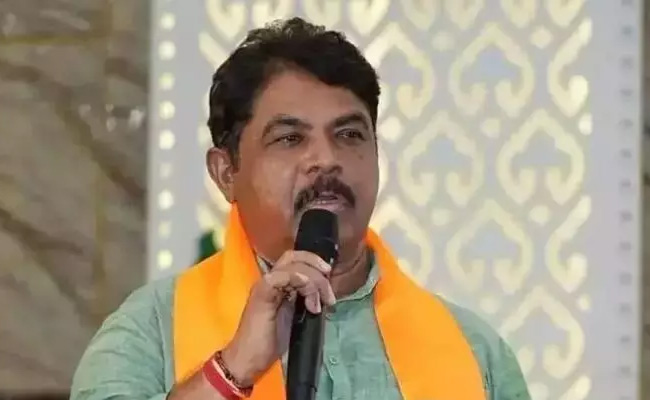
Bengaluru: Leader of Opposition in the Assembly R. Ashoka has accused the Congress government of using the hijab issue to placate what he described as discontent among minority voters after the Davanagere by-election.
In a post on X on Wednesday, Ashoka alleged that the state government, instead of addressing issues such as price rise, corruption, farmers’ distress and law and order, was attempting to retain its minority vote base by reviving the hijab issue.
Referring to the 2022 dress code introduced by the BJP government, which prohibited hijab in schools and colleges, Ashoka said the Karnataka High Court had upheld the policy and emphasised the importance of discipline in educational institutions.
He questioned the Congress government’s move to revisit the issue and asked whether setting aside the court-backed policy to benefit one community could be described as secularism.
Ashoka further alleged that while the government was willing to permit hijab, it continued to prohibit saffron shawls.
He accused the government of dividing students on religious lines rather than treating schools and colleges as spaces of equality.
Drawing a comparison with Mamata Banerjee’s government in West Bengal, Ashoka claimed that excessive appeasement politics had harmed the state and warned that the Congress in Karnataka could face a similar political response.
He said voters in Karnataka would teach the Congress a lesson for what he termed “vote-bank politics” and for compromising constitutional and judicial principles.