‘Pocket-picking of people’: Siddaramaiah, DK Shivakumar slam Centre over rising prices
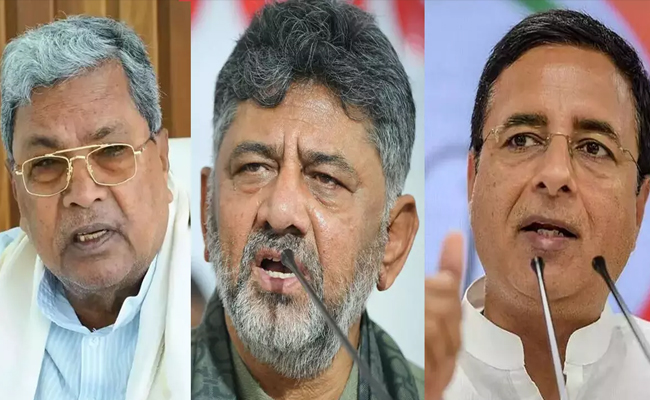
Bengaluru: Chief Minister Siddaramaiah, Deputy Chief Minister and KPCC president D.K. Shivakumar, and Congress in-charge Randeep Singh Surjewala have accused the Narendra Modi-led Central government and the BJP of burdening people with rising prices, alleging that the public is facing an unprecedented “pocket-picking”.
In a joint statement issued on Wednesday, the leaders said the BJP had promised “acche din” but has instead delivered a “costly regime”. They demanded that Prime Minister Narendra Modi and BJP leaders answer the public before seeking votes.
They pointed out that the price of commercial LPG cylinders has been increased by Rs 200, pushing the cost beyond Rs 2,000. This is the third hike in 45 days. The price, which was Rs 1,958 recently, has now crossed the Rs 2,000 mark. They also noted that domestic LPG cylinder prices have been increased twice in March, reaching Rs 913 per cylinder. The hike in commercial cylinders, they said, could indicate a likely increase in domestic LPG prices as well. They further claimed that LPG shortages have forced people to buy cylinders at higher rates.
The leaders also criticised the increase in toll charges, stating that Karnataka alone is expected to collect Rs 5,000 crore in 2026–27, while across the country, toll collections may reach Rs 80,000 crore. They said Nayara Energy increased petrol prices by Rs 5.30 and diesel by Rs 3 on March 26, and that Shell raised petrol prices to Rs 112 and diesel to Rs 98 on March 31. They alleged that further price hikes may follow after upcoming elections.
They also flagged the removal of fare caps on commercial flights, saying this has led to a 10–15 percent rise in airfares in March. Aviation fuel prices in New Delhi have crossed Rs 2 lakh per kilolitre, which they said could result in a 25 percent increase in ticket prices.
According to the statement, prices of appliances such as air conditioners, refrigerators and water coolers have already gone up by 5–15 percent by April 2026 and may rise further. They also criticised new railway ticket cancellation rules, stating that no refund is given if tickets are cancelled within eight hours of departure, while 50 percent is deducted if cancelled earlier.
The leaders alleged that bank-related charges have also increased. From now on, ATM withdrawals beyond the free limit will attract a charge of Rs 23 per transaction along with applicable taxes. They claimed that banks may treat UPI transactions as cash withdrawals and impose charges, and that failed transactions due to insufficient balance may attract a penalty of Rs 25.
They further said taxes on stock market investments have been increased, with securities transaction tax on futures raised from 0.02 percent to 0.05 percent and on options from 0.1 percent to 0.15 percent. They claimed this would raise investment costs for the middle class.
The statement also mentioned that car prices have increased, with JSW MG Motor India raising prices by 2 percent, and other companies likely to follow. Additionally, stricter rules have been introduced, making PAN cards mandatory for vehicle purchases above Rs 5 lakh.
The leaders said prices of essential commodities such as pulses, edible oil, butter, iron and cement have already increased and may rise further. They added that in March itself, prices of daily-use items like bread, biscuits and soap have gone up by around 5 percent or their quantity has been reduced.
Let the Truth be known. If you read VB and like VB, please be a VB Supporter and Help us deliver the Truth to one and all.
Man sleeping by roadside crushed to death by road roller in Uppinangady
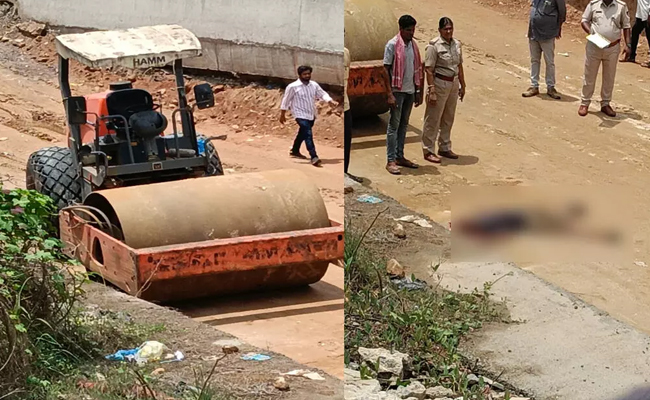
Uppinangady: A man was killed after a road roller ran over him during road development work near Gandhi Park in Uppinangady on Saturday.
According to sources, the road in the area is being widened into a four-lane stretch along with service roads.
The victim, believed to be a labourer from North India, was reportedly sleeping by the side of the road when the road roller passed over him.
He died on the spot. The impact was so severe that the body was crushed beneath the heavy vehicle.
The identity of the deceased had not been confirmed at the time of reporting.
Further details are awaited.