Present situation doesn't call for declaring dengue a medical emergency in K'taka: Dinesh Gundu Rao
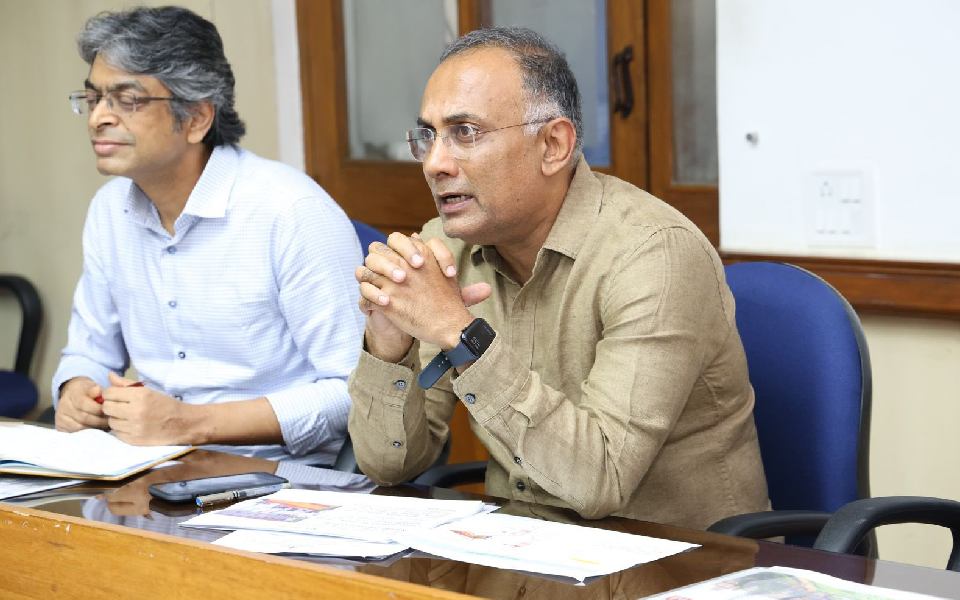
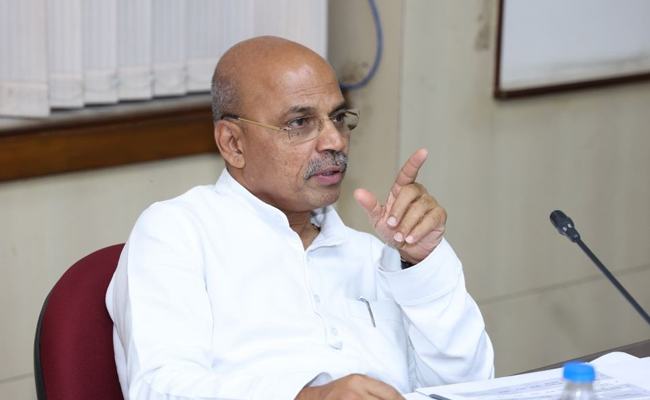
Bengaluru, Jul 8: Karnataka Health Minister Dinesh Gundu Rao on Monday said the situation now doesn't call for declaring dengue as a "medical emergency" in the state, as he rejected the suggestion made by the opposition BJP.
He said, amid a spike in dengue cases, officials have been issued directions to take all preventive measures.
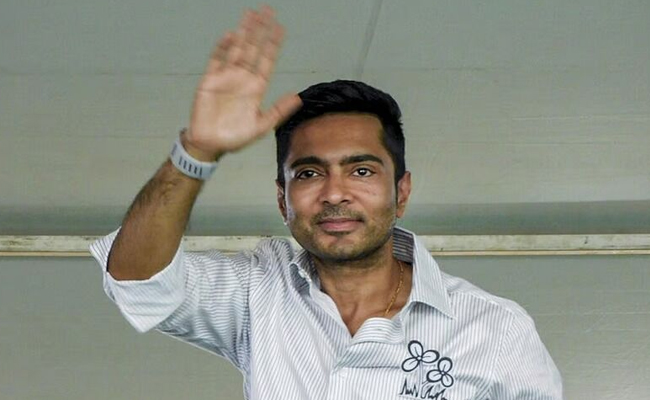
Leader of Opposition in Assembly R Ashoka, eminent cardiologist and Bangalore Rural BJP MP Dr C N Manjunath had urged that the Congress government declare dengue as a “medical emergency", and called for more efforts to control its spread.
"We have held separate meetings with CEOs of Zilla Panchayats from all districts and the Bruhat Bengaluru Mahanagara Palike (BBMP). Instructions have been given to spray medicines at places where mosquitoes germinate and spread more awareness among the public," Rao said.
ALSO READ: Amid spike in dengue cases, Karnataka govt. launches awareness campaign
Speaking to reporters here, he said as there are many active dengue cases in the state, the number of tests being conducted have been increased and arrangements have been made for treatment. Also, there are a couple of Zika virus positive cases.
The Technical Advisory Committee (TAC) met on Sunday in the backdrop of advice from opposition leaders and others to declare dengue as a medical emergency, the Minister said.
"But the situation is not such, to declare it a medical emergency, because all the facilities are there, like beds, medicines. The TAC was of the opinion that the situation was not so grave," he said.
As per health department data, Karnataka has till last evening recorded 7,165 dengue positive cases since January this year, with areas coming under the city civic body, the Bruhat Bengaluru Mahanagara Palike (BBMP) accounting for the largest at 1,988.
On Sunday, the state reported 159 fresh dengue infection cases, including 80 in BBMP areas.
To a question about any discussion at the TAC meeting regarding reserving beds for dengue patients, Rao said dengue infection doesn't spread from person to person, unlike COVID, but still hospitals have been advised to keep beds.
"These cases can be handled at general wards, as there will be no need for any isolation......There is a need to spread awareness among people as to at which stage of fever they need to go to hospitals, and it will be done," he said, adding that there is need to be cautious for another two-three months as rains are likely to continue.
Asked about reports that some private hospitals were still charging more for dengue testing, despite the government capping the rates, he said: "If anyone complaints we will take action, I will also ask our officials to check. We can take action, no one should charge more."
Urging the opposition not to politicise over dengue and spread fear among people, the Minister said, they have to behave responsibly and join hands with the government.
"Instead, making vague statements is not right. I have spoken to BJP MP C N Manjunath, he spoke well and gave good advice, but Ashoka and other opposition leaders are saying vague things, they should think scientifically and advise in the interest of the people."
"More than mosquitos, BJP's lies are spreading faster. It needs to be curbed," the Minister commented.
ಸೊಳ್ಳೆ ಹರಡುವ ಖಾಯಿಲೆಗಳಿಗಿಂತ ಬಿಜೆಪಿಯ ಸುಳ್ಳುಗಳು ಹೆಚ್ಚು ಅಪಾಯಕಾರಿಯಾಗಿ ವೇಗವಾಗಿ ಹರಡುತ್ತವೆ. ಆದ್ದರಿಂದ ಬಿಜೆಪಿಯವರ ಸುಳ್ಳುಗಳನ್ನು ನಿಯಂತ್ರಿಸಬೇಕಿದೆ.#StopLyingBJP #BJPFails @RAshokaBJP @DrSudhakar_ @BJP4Karnataka pic.twitter.com/8cMQHL9WiC
— Dinesh Gundu Rao/ದಿನೇಶ್ ಗುಂಡೂರಾವ್ (@dineshgrao) July 8, 2024
Let the Truth be known. If you read VB and like VB, please be a VB Supporter and Help us deliver the Truth to one and all.
Maldivian military diver dead while searching for bodies of four Italian divers
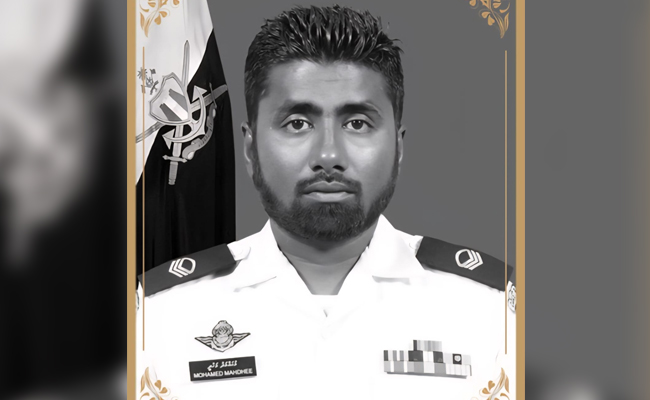
Colombo (AP): A Maldivian military diver died Saturday while searching for the bodies of four Italian divers believed to be deep inside an underwater cave.
The group of five Italian divers is believed to have died while exploring a cave at a depth of about 50 metres in Vaavu Atoll on Thursday, according to Italy's Foreign Ministry. The recreational diving limit in the Maldives is 30 metres.
Maldives Presidential Spokesman Mohammed Hussain Shareef said that Mohamed Mahudhee, a member of the Maldivian National Defence Force, died of underwater decompression sickness after being transferred to a hospital in the capital.
“The death goes to show the difficulty of the mission,” he said.
Earlier, Shareef said the searchers had prepared a plan based on their progress exploring the cave on Friday. Mahudhee was part of the group that briefed Maldives President Mohamed Muizzu on the rescue plan when he visited the search site on Friday.
Rough weather has repeatedly hampered rescue efforts.
The Italian Foreign Minister Antonio Tajani said everything possible would be done to bring the victims home. His ministry stated it was coordinating with Divers Alert Network, a specialist diving organisation, to support recovery operations and the repatriation of the bodies. The cause of the deaths remains under investigation.
The victims have been identified as Monica Montefalcone, an associate professor of ecology at the University of Genoa; her daughter, Giorgia Sommacal; marine biologist Federico Gualtieri; researcher Muriel Oddenino; and diving instructor Gianluca Benedetti, according to the Maldivian government.
Benedetti's body was recovered on Thursday.
Montefalcone and Oddenino were in the Maldives on an official scientific mission to monitor marine environments and study the effects of climate change on tropical biodiversity, the University of Genoa said in a statement Friday. However, the scuba diving activity during which the deadly accident occurred was not part of the planned research and was “undertaken privately,” it said.
The statement also said the two other victims — student Sommacal and recent graduate Gualtieri — were not involved in the scientific mission.
Cave diving is a highly technical and dangerous activity that requires specialised training, equipment and strict safety protocols. Risks increase sharply in environments where divers cannot head straight up and at depth, particularly when conditions are poor.
Experts say it's easy to become disoriented or lost inside caves, particularly as sediment clouds can sharply reduce visibility.
Diving at 50 metres also exceeds the maximum depth recommended for recreational divers by most major established scuba certifying agencies, with depths beyond 40 metres considered technical diving and requiring specialised training and equipment.
Shareef said Benedetti's body was found near the mouth of the cave and authorities believed the remaining four had entered the cave.
Two Italians, a deep-sea rescue expert and a cave diving expert, are expected to join the recovery effort, Shareef said.
Italian officials said that around 20 other Italians on the same expedition aboard the vessel “Duke of York” were safe. Italy's embassy in Colombo was providing assistance to those onboard and had contacted the Red Crescent, which offered to deploy volunteers to help provide psychological aid.
The Maldives tourism ministry said it has suspended the operating license of the “Duke of York” pending an investigation.
The Italian foreign ministry said the cave is divided into three large chambers connected by narrow passages. Recovery teams explored two of the three chambers on Friday, but the search was limited due to considerations over oxygen and decompression.
On Saturday, they will explore the third chamber, the ministry added.
Italian officials and the honourary consul are in contact with the victims' families to provide assistance.